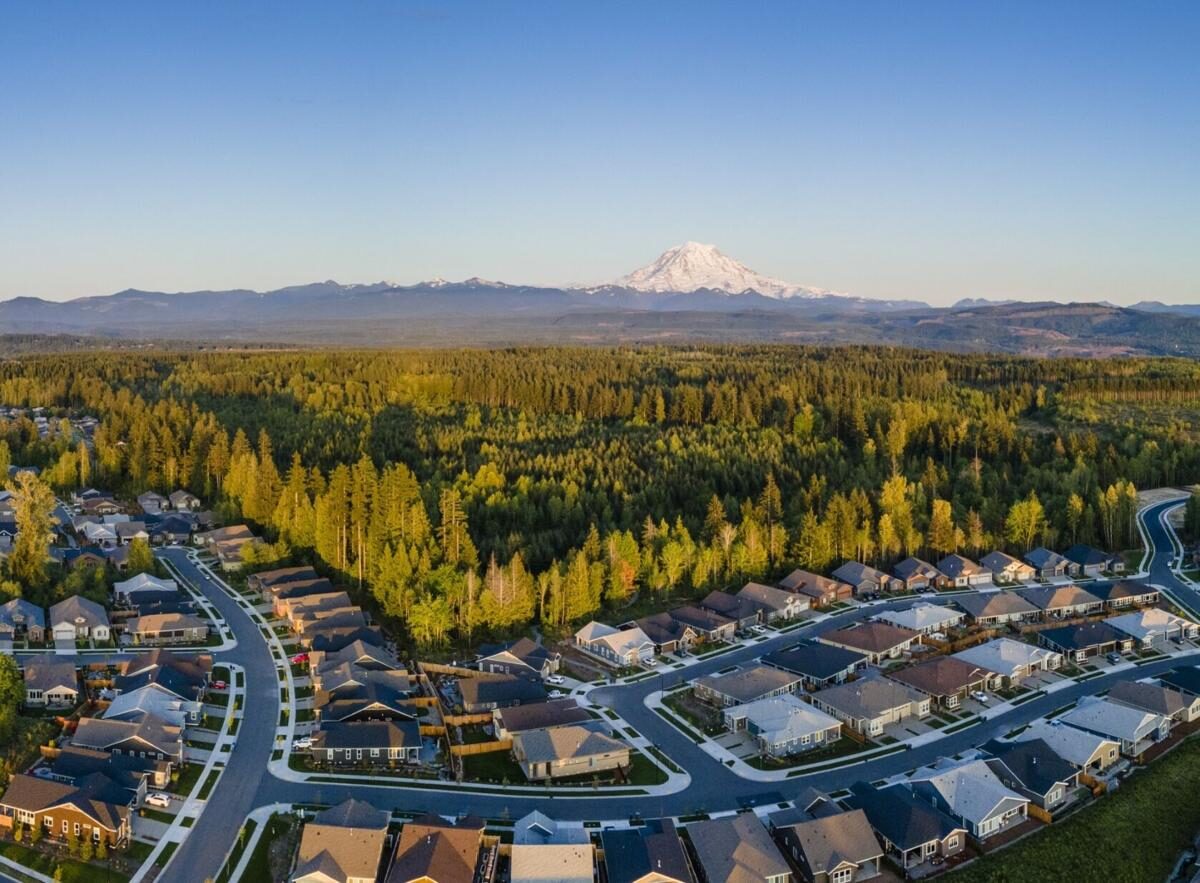
Cul-de-sac: Why It Matters for Cottage Communities
Architecture
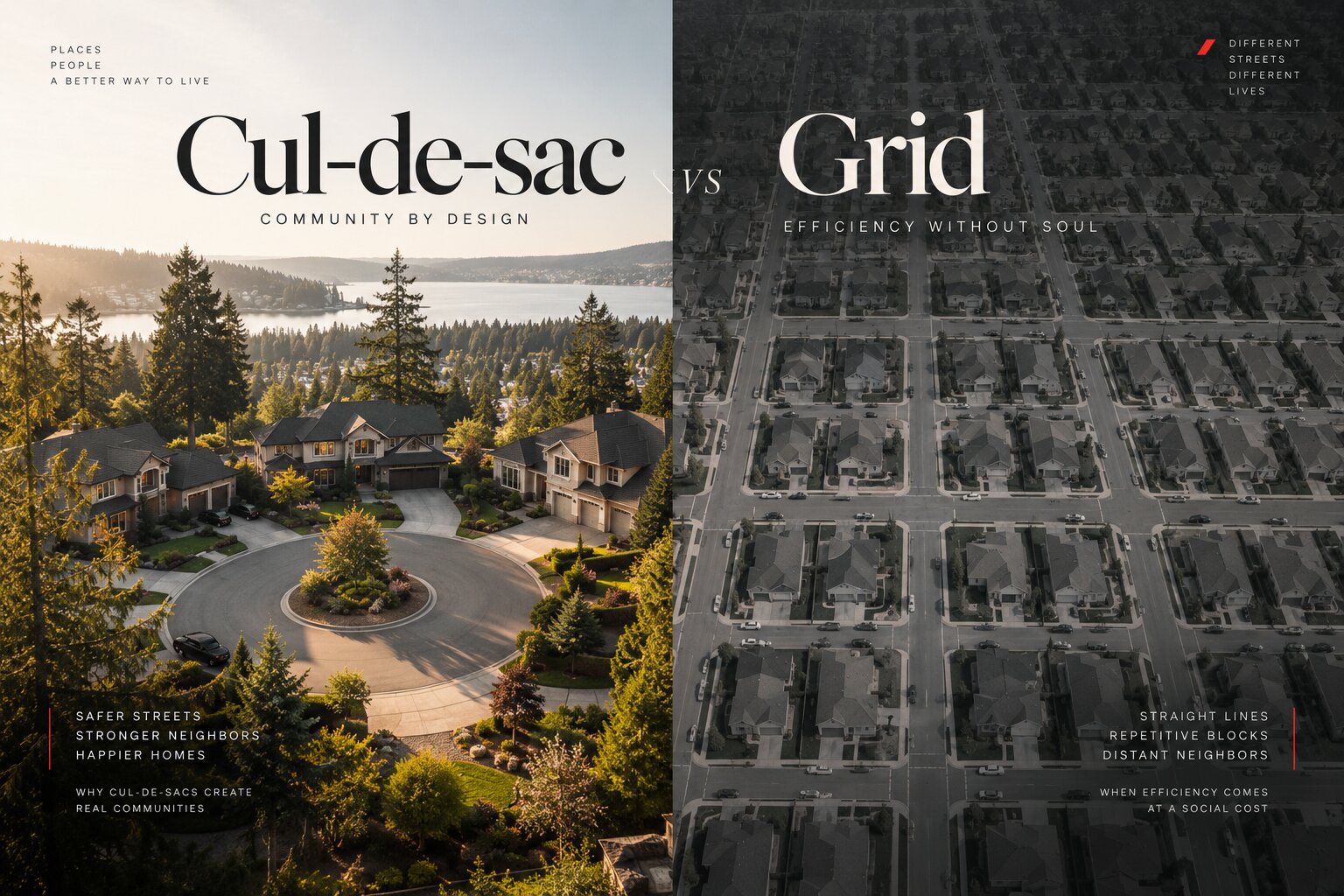
The shape of a street in a cottage community shapes how people live there just as much as the house itself does - and most post-Soviet cottage communities get this part wrong. Instead of a street a neighborhood forms around, what usually gets built is a corridor between blank walls, where every house is its own fortress and there's no shared space at all.
The "Fence to Fence" Problem
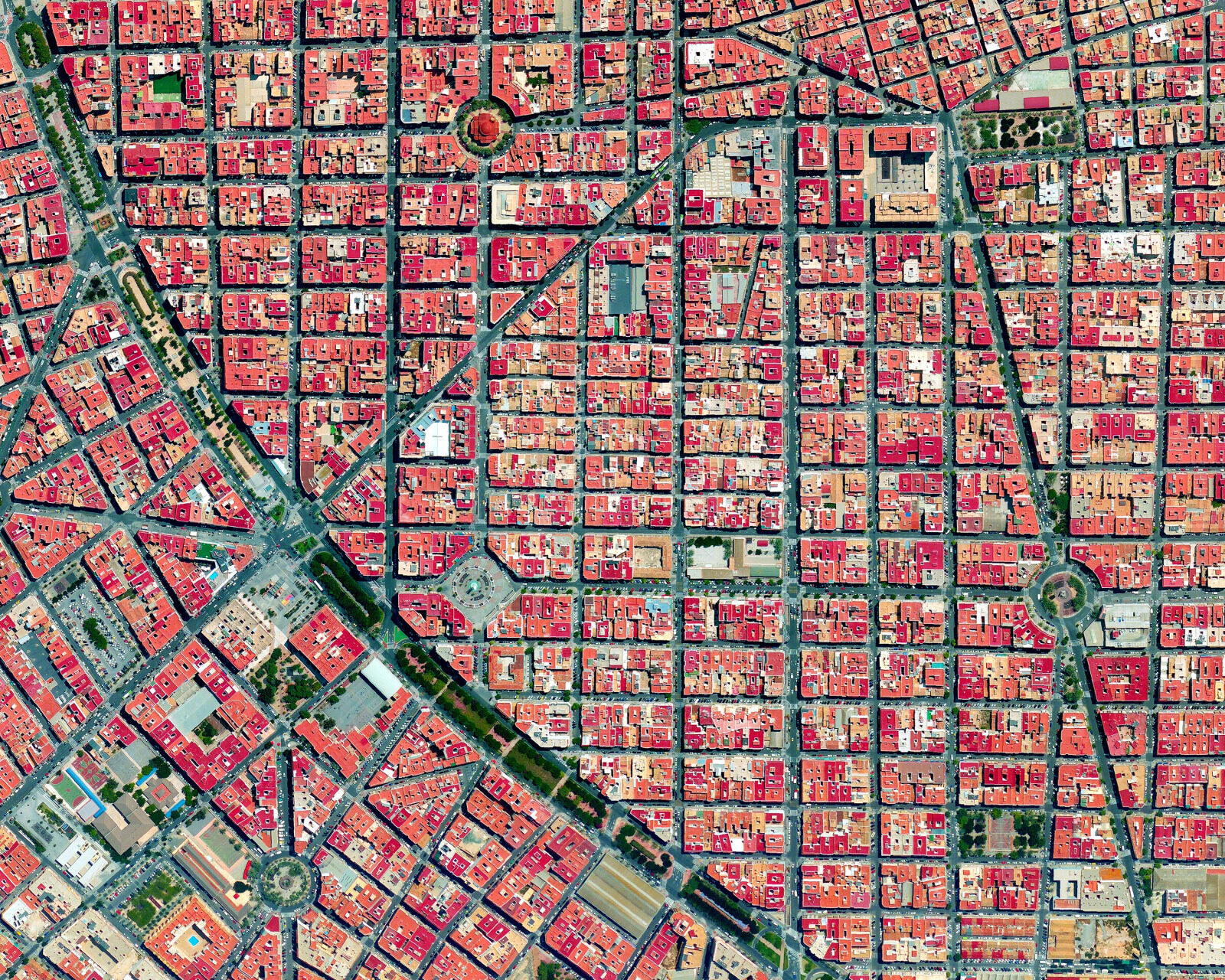
A typical post-Soviet cottage development looks like this: a solid wall running along both sides of the street, a fence in front of every house, and a street that functions purely as a driveway - not as a space anyone lives in. Kids don't play there. Neighbors don't see each other. The only real interaction happens from inside a car, driving past a row of blank walls.
This is a legacy of a culture of distrust inherited from the Soviet period, where every family builds its own fortress because it can't count on the community around it. It reflects historically grounded experience with corruption and weak legal protection, where trusting the state or your neighbors often wasn't rational. But architecturally, it's an irrational solution: a six-foot wall stops little more than a casual passerby, it costs more per block than the alternative, and it kills the exact thing people move to a place like this for - a sense of space, community, and the freedom to let a kid play outside.
What Cul-de-sac Research Shows
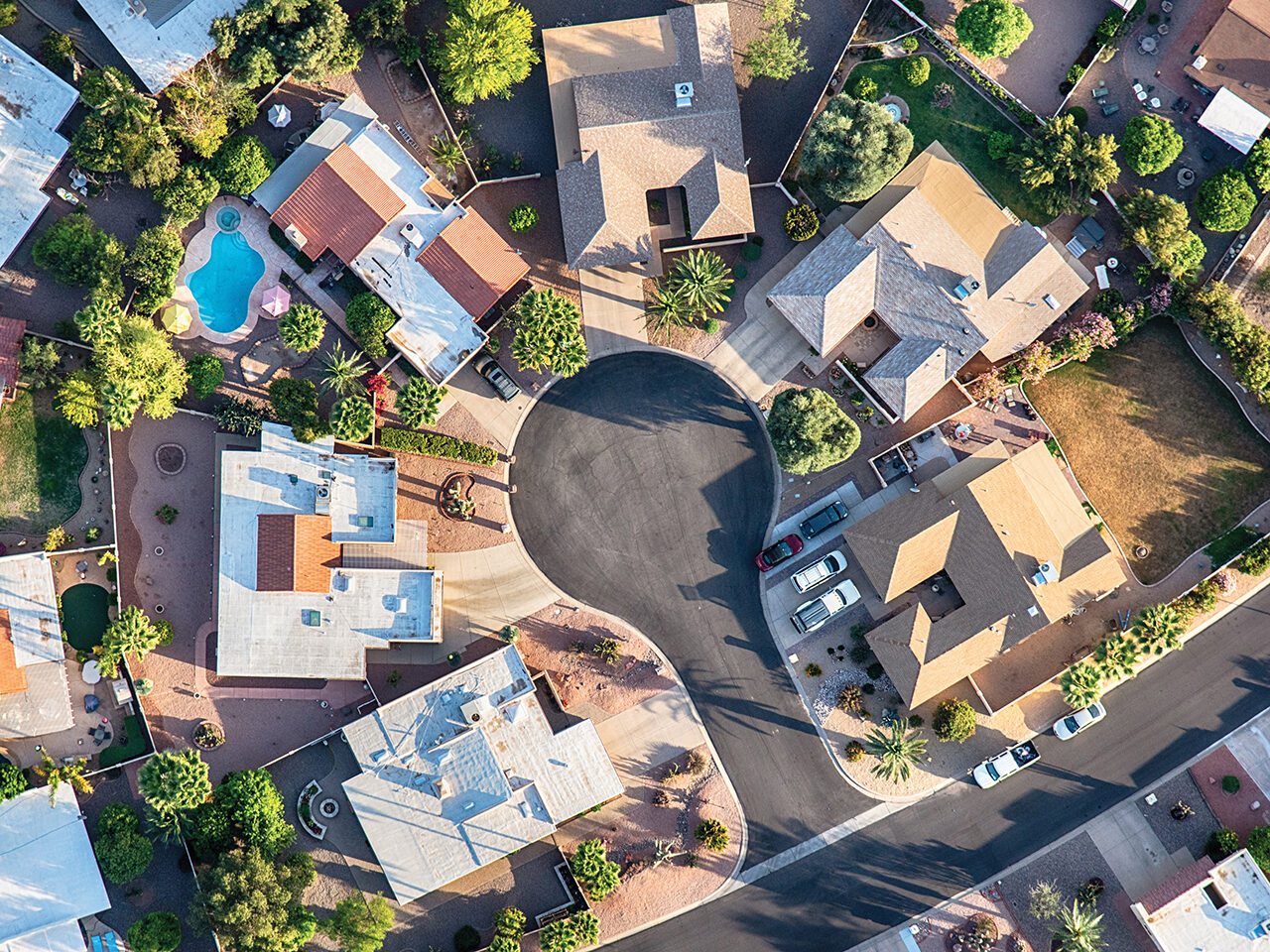
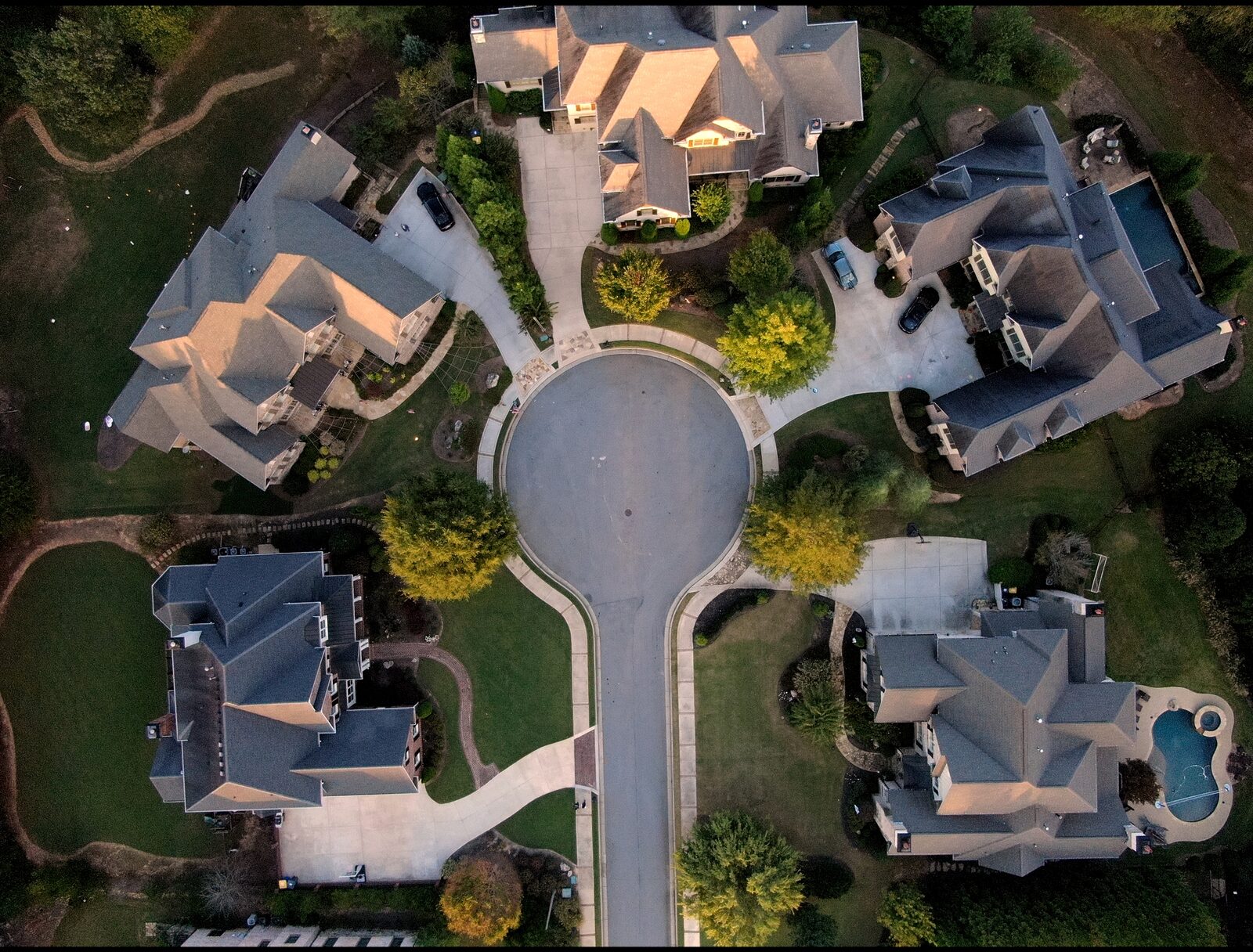
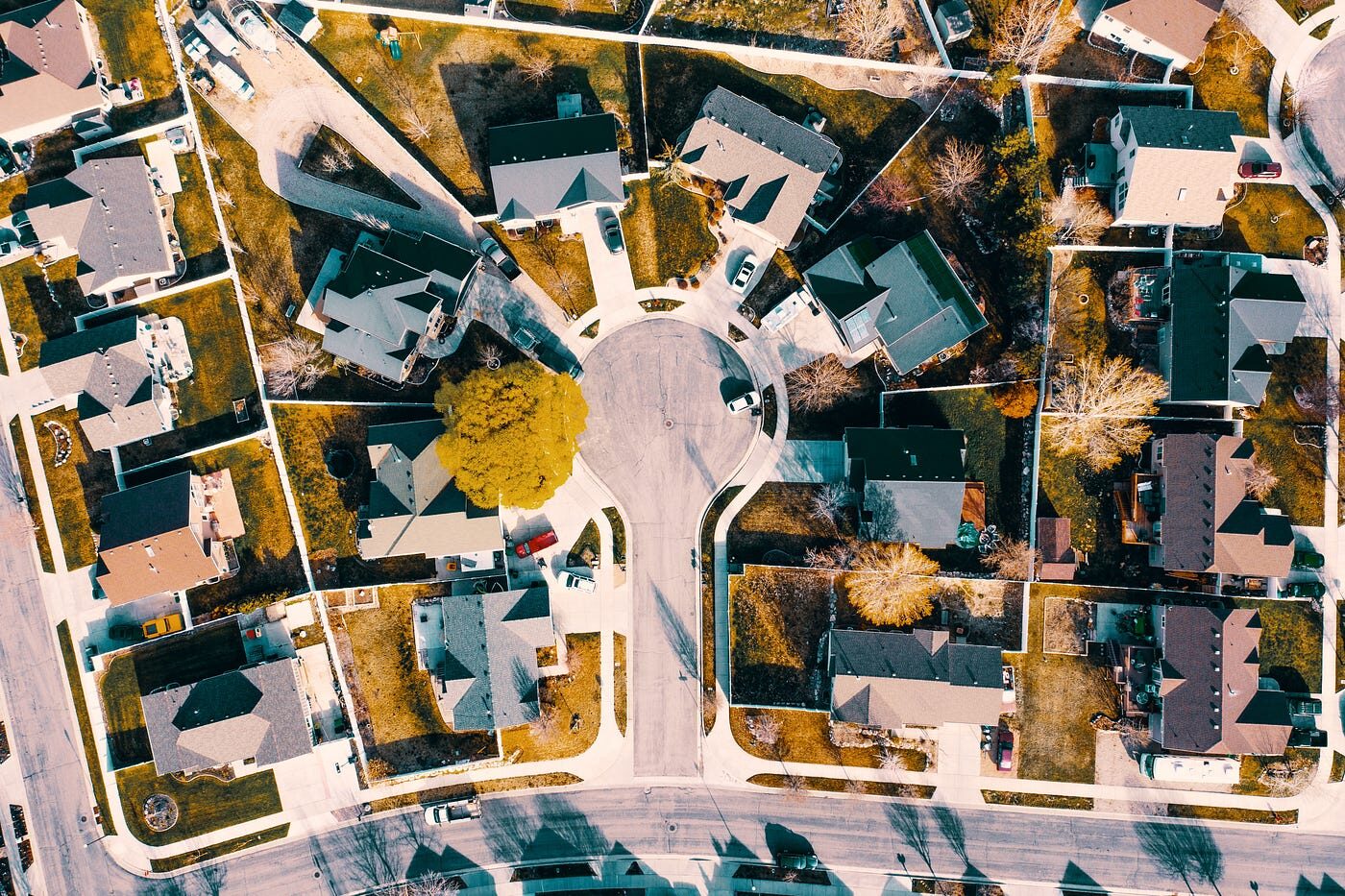
The dead-end street - the cul-de-sac - is one of the most studied elements of suburban planning in the English-language academic literature, and the findings directly contradict the intuition that more privacy is always better.
Sociologist Thomas R. Hochschild conducted a study published in Childhood: A Global Journal of Child Research (2013), interviewing 110 adults - 73 living on cul-de-sacs and 37 on through-streets. The research identified three key benefits for children raised on cul-de-sacs:
A social safety net. Because cul-de-sacs are seen as "territorial" streets, parents are far more likely to let kids play outside unattended - under the informal watch of neighbors who know every child on the street by sight.
"Street panopticism." Kids who know they're likely being watched by neighbors are less likely to act out while on their own street - Hochschild describes this as a form of internalized self-discipline.
Uninterrupted play. Low traffic on cul-de-sacs creates room for play that isn't possible on a through-street with constant car movement.
A separate study by the same author - "The Cul-de-sac Effect: Relationship between Street Design and Residential Social Cohesion" - found that adults on cul-de-sacs are also significantly more likely to report positive relationships with neighbors than residents of through-streets. The author cites earlier research on the same topic going back to 1963 (Willmott), 1979 (Mayo), and 1985 (Brown and Werner) - a consistent pattern confirmed across decades of research in different countries.
The Important Caveat: A Cul-de-sac Alone Isn't Enough
Critics rightly point out that cul-de-sacs work well for young children, but teenagers need mobility - the ability to walk or bike to friends, a store, a skate spot, independent of whether a parent is available to drive them. A pure network of disconnected cul-de-sacs creates the opposite problem: isolation and total car dependency.
What works is not the cul-de-sac on its own but the combination: cul-de-sacs for car traffic (low traffic, safety, privacy), plus a separate network of pedestrian and bike paths, fully disconnected from the road network, that connects the whole neighborhood. Kids and teenagers get mobility without ever interacting with car traffic, and drivers get predictable, quiet streets without through-traffic cutting across them.
Tehaleh, Washington: What This Looks Like
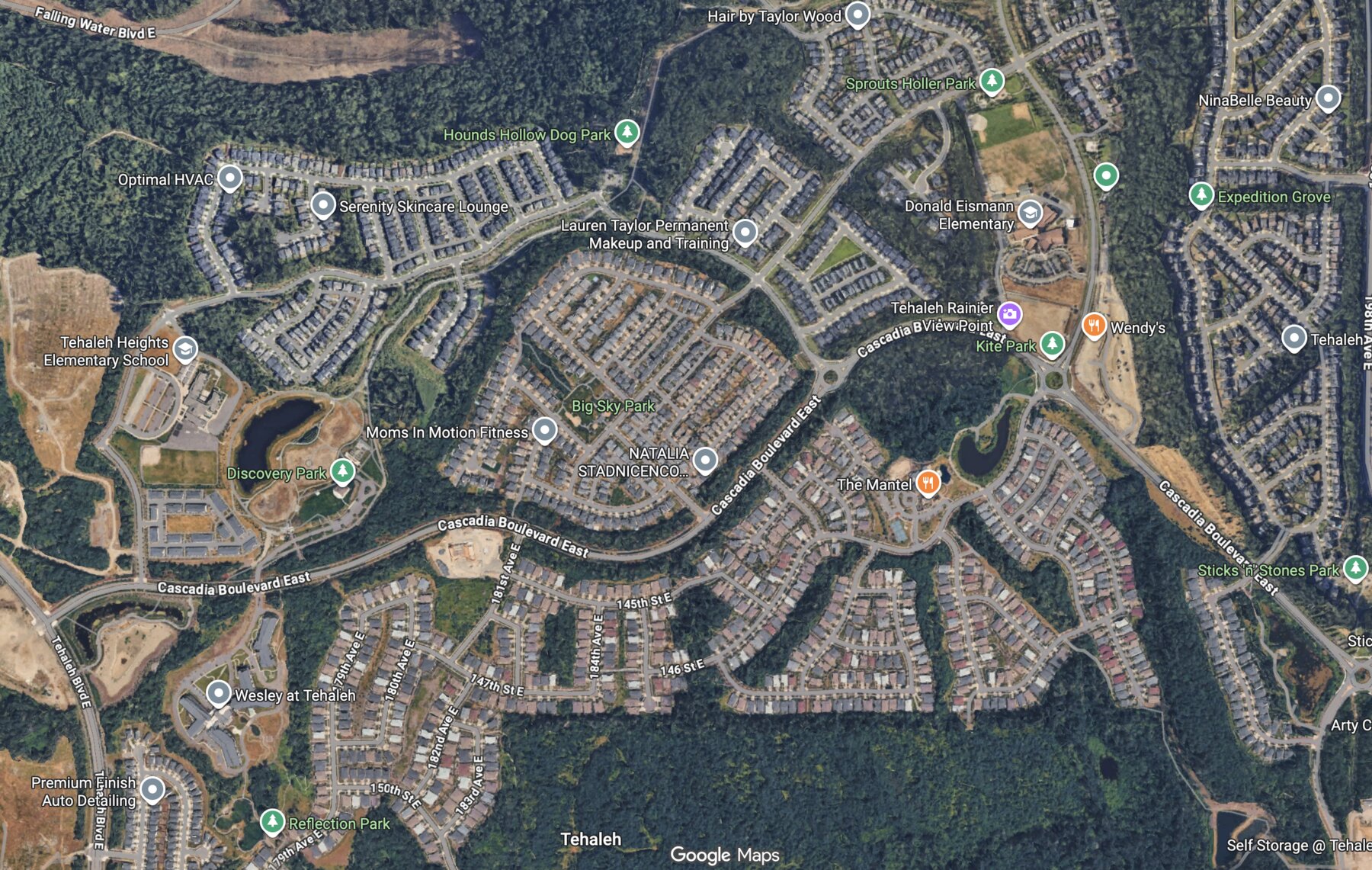
The best real-world example of this approach is Tehaleh, a 4,700-acre planned community in Pierce County, Washington, near Bonney Lake. Construction began in 2011, and roughly 6,800 people live there today.
Instead of blank walls around every house, Tehaleh is built around a network of more than 40 miles of trails and 17 parks and playgrounds - nearly 1,800 acres, or 40% of the entire community, set aside as open space, parks, and trails. There's a coffee shop, a community center, and even a dedicated "Bridge for Kids" project - a pedestrian bridge designed specifically as a safe evacuation route for children in the event of a natural hazard from Mount Rainier.
Tehaleh also isn't a pure bedroom community. 475 acres of the site are set aside for commercial, light-industrial, and civic development, already supporting around 400-450 jobs a year. The community is split between two school districts (Sumner-Bonney Lake and Orting), with plans for multiple elementary schools and a middle school within the community itself. There's somewhere to work, learn, get coffee, and walk without ever leaving the community.
The Economics: A Gated Community Is Cheaper Than a Fence Per House
There's a practical argument too. If the goal is safety and privacy, not just habit, a gated community with a single controlled perimeter costs less per block than every individual house building its own full-height fence. One perimeter instead of dozens of separate fences means less material, less labor, and more effective access control than a six-foot wall anyone can walk around or climb over.
The paradox is that the post-Soviet "fence per house" model delivers the illusion of security at a higher price, while a single controlled perimeter around an open block delivers genuine security at a lower price - and adds the social capital that fences destroy.
What This Means for Planning in Ukraine and the Former Soviet Space
This is the moment to move away from a Soviet-era legacy of fear and distrust in architectural planning, rather than defaulting to it simply because "that's how it's always been done." The same "fence to fence" pattern is common across cottage communities throughout the former Soviet space, and it carries the same costs everywhere: isolation instead of community, a false sense of security instead of real access control, and higher construction costs for a worse result.
The practical takeaway for developers and landowners planning new construction: plan cul-de-sacs for car traffic, a separate pedestrian path network independent of the roads, shared park space instead of individual blank walls, and - if privacy matters - one controlled perimeter around the whole community instead of a fence at every house. This is the kind of thinking we build into our functional zoning and architecture work for residential complexes and cottage communities.
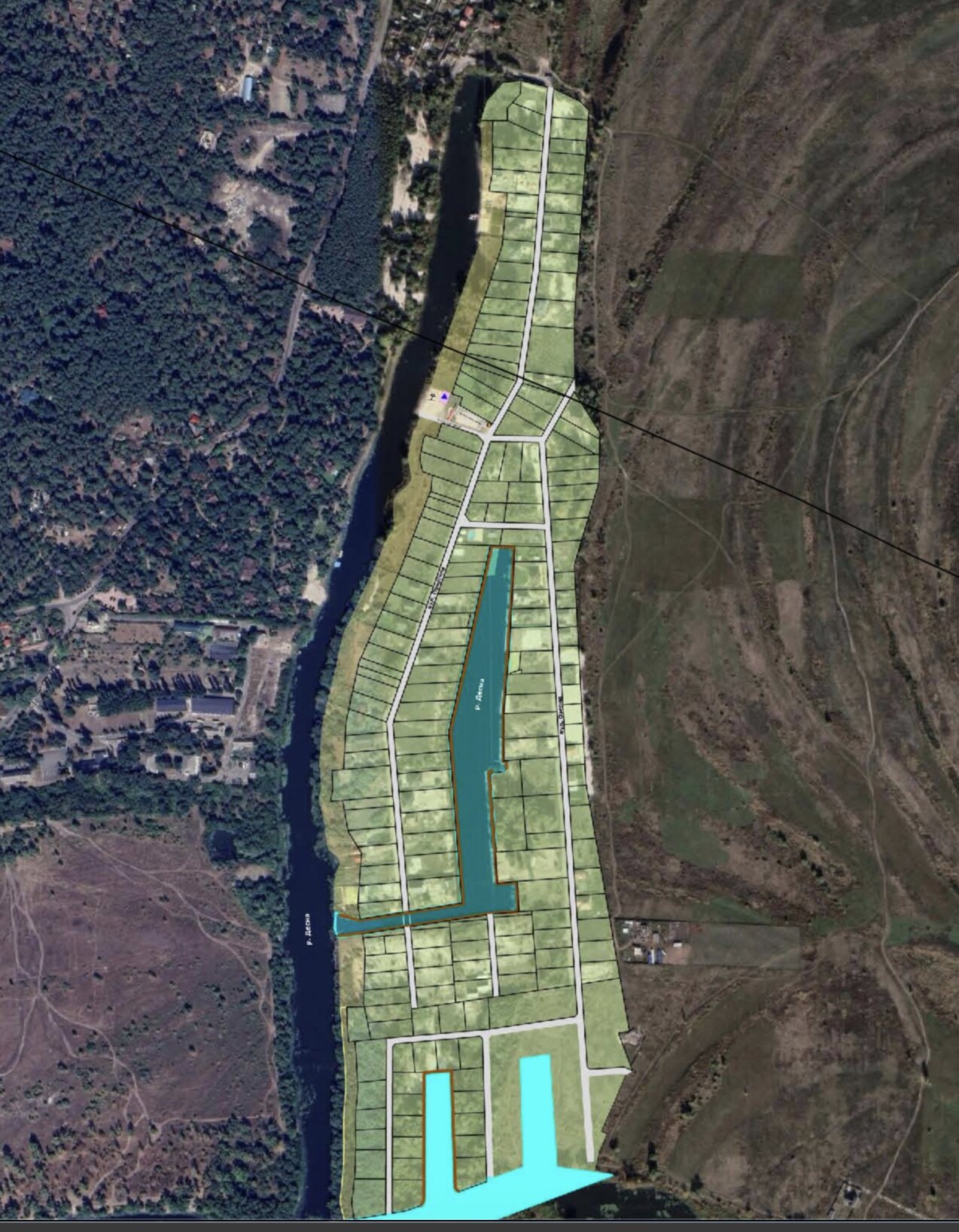
We've applied these principles on a real cottage settlement project in the Carpathian Mountains - the same terrain-driven, community-first thinking, just applied to a mountain site rather than a Pacific Northwest foothill.
A similar compact private residence - the Lisove house near Kharkiv, 305 square meters, with a stone facade and a glass-enclosed pergola connecting the house to the garden. Construction was interrupted by the full-scale invasion in 2022, and the house was later damaged during the war - but the design remains an example of how a compact, well-planned home fits the same philosophy of open space and connection to the landscape.
Frequently Asked Questions
Are cul-de-sacs actually safer for kids than through-streets? Yes, according to the research - lower traffic and the territorial feel of a dead-end street create conditions where parents are more likely to let kids play outside unsupervised.
Doesn't a cul-de-sac isolate residents from the rest of the city? It does, if it's the only planning element in use. The fix is combining cul-de-sacs for cars with a separate pedestrian and bike path network connecting the whole community, the way Tehaleh does it.
Is a gated community really cheaper than a fence at every house? Yes, per block - one controlled perimeter costs less than dozens of individual full-height fences, and provides better access control.
Can this approach be retrofitted into an existing cottage community? Partially - adding shared paths and park space is possible even in an already-built block, though planning from scratch gets better results.
Is this approach particularly relevant for Ukraine right now? Especially so - a large share of new cottage construction is being planned from the ground up, which is a chance to get the model right the first time rather than retrofitting it later.
Why "Bridge for Kids" Isn't Just Marketing
The pedestrian bridge detail at Tehaleh deserves its own explanation, because it shows how seriously the community was planned. Mount Rainier is an active stratovolcano, and one of its hazards is a lahar - a fast-moving flow of volcanic ash, ice, and debris capable of traveling down river valleys for dozens of miles from the mountain itself. The Puyallup River valley, where Tehaleh sits, falls within a mapped lahar hazard zone according to official U.S. Geological Survey hazard maps. That's why "Bridge for Kids" is an engineered evacuation route connecting low-lying areas to higher ground, designed specifically around getting children out of schools quickly and safely. Pedestrian infrastructure for kids can serve a double purpose: everyday use (walking to school, playing outside) and emergency use (evacuation) at the same time.
A Model That Works Across Generations
Within Tehaleh, there's a separate section - Trilogy at Tehaleh - an age-restricted 55+ community with its own resort-style amenities. It shows that the "cul-de-sacs plus a trail network instead of fences" model isn't a solution built exclusively for families with young kids. Older residents benefit just as much from low traffic, walkability, and open space - just with more emphasis on light physical activity, shared gardens, and social spaces for adults rather than playgrounds. The post-Soviet "fence to fence" model lacks this flexibility - there, every lot is isolated regardless of who lives in it.
A Model That Complements the Cul-de-sac: The Shared Yard
Another model, often treated as a complement or alternative to cul-de-sacs, is the "shared outdoor space" concept, where houses cluster around one large common yard visible from every house at once, rather than each house having its own enclosed lot. Landscape architect Clare Cooper Marcus, whose research is frequently cited on this topic, found that shared yards like this create natural supervision of children from every surrounding window, reinforcing the same "social safety net" effect a standard cul-de-sac already provides. For cottage communities in Ukraine, this could work well for smaller clusters within a larger development - small groups of 6-10 houses arranged around a shared green common, connected to the rest of the community by the same cul-de-sac-and-trail network described above.
One More Confirmation from the Research
A separate research review, published in a peer-reviewed journal and focused on comparing children's activity levels in suburban versus urban neighborhoods, found a consistent pattern: children in suburban areas with low traffic, access to green space, and cul-de-sac streets show higher rates of outdoor physical activity than children in dense urban settings. Researchers link this directly to how parents assess the safety of the environment - perceived safety turns out to be an even stronger predictor of whether parents let a child roam independently than actual traffic data. So street form affects not only real safety but also the psychological threshold that determines whether a kid ends up outside on the street at all.