The formality once associated with business-class real estate has given way to functionality and a sense of community. Coworking, coliving, flexible offices and spaces people take turns using are changing how we work and live - and therefore how we design. Here's where the sharing economy came from, how it changed after the pandemic, and what it means for architecture and interior design in 2026.
Use It, Don't Own It
The shift tracks with a broader generational change. A lot of business owners and leaders today are between 25 and 40. Millennials, and now Gen Z behind them, hold leadership roles, run their own companies, and occupy well-paid specialist positions. They aren't in a rush to anchor themselves with a mortgage - they're mobile, and ready to relocate to a new city or country.
At the same time, they're genuinely selective about where they live and work. Sustainable materials, open floor plans, energy-efficient systems and solid nearby infrastructure top their list.
The sharing economy runs on one core idea: use it, don't own it. It already powers plenty of business models that make daily life easier - car sharing, coworking, rentals of everything from tools to clothes. Paying for access when you need it is often smarter than maintaining something of your own.
Coworking: From Freelancers to Hybrid Teams
Coworking is a shared space where professionals from different companies and industries work side by side. People pay for a desk or a private office and get everything they need - internet, a kitchen, conference rooms for meetings and presentations. These spaces bring together people with similar outlooks, and early on they were filled mostly by freelancers and tech workers.
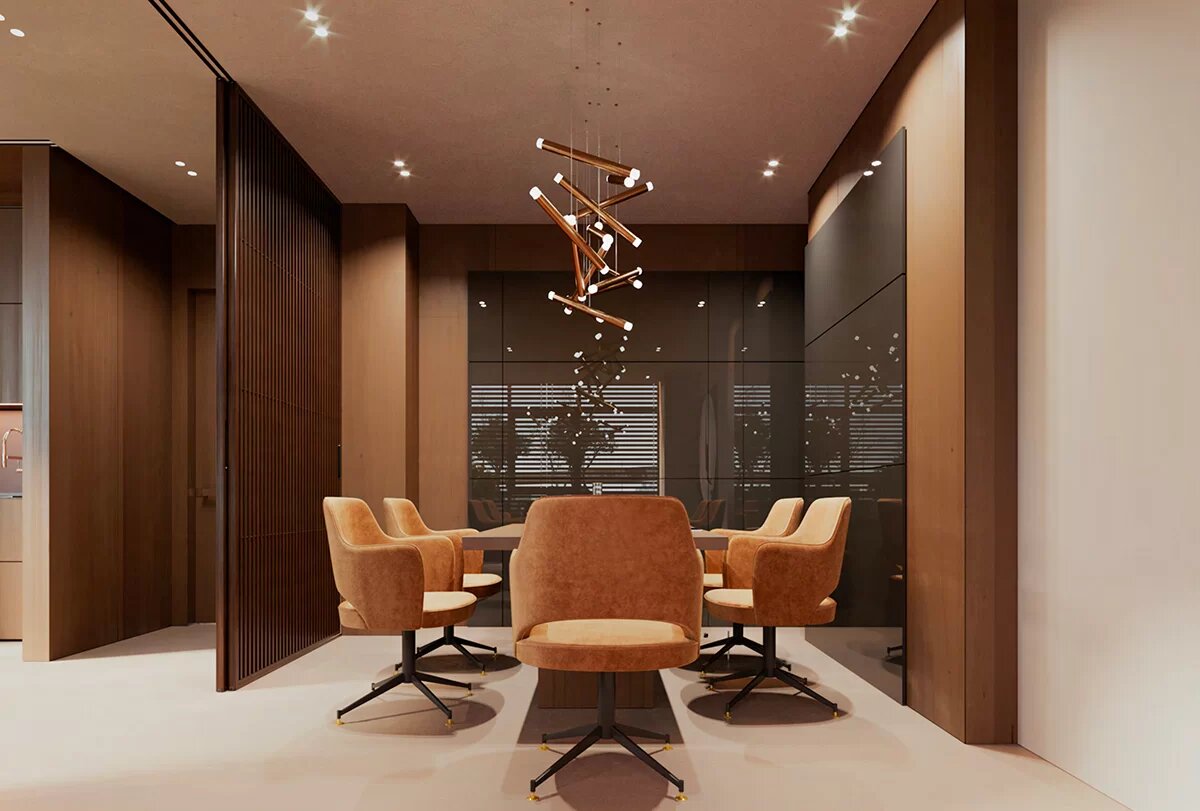
The pandemic changed coworking's role. Hybrid work became the norm, many companies shrank their headquarters, and part of the team moved into flexible spaces closer to home. A modern coworking space is no longer an open room full of desks. It's a set of zones: focus work, collaboration, calls, meetings and rest.
Coliving Follows the Same Logic
Coliving runs on a similar idea - the desire to live among people who think alike and share similar values. The concept is well established among young professionals and entrepreneurs in major cities across Europe, North America and Asia, often connected through shared work or professions. Modern coliving is often traced back to the Silicon Valley "hacker houses" of the late 2000s, where colleagues shared homes because rents were so high.
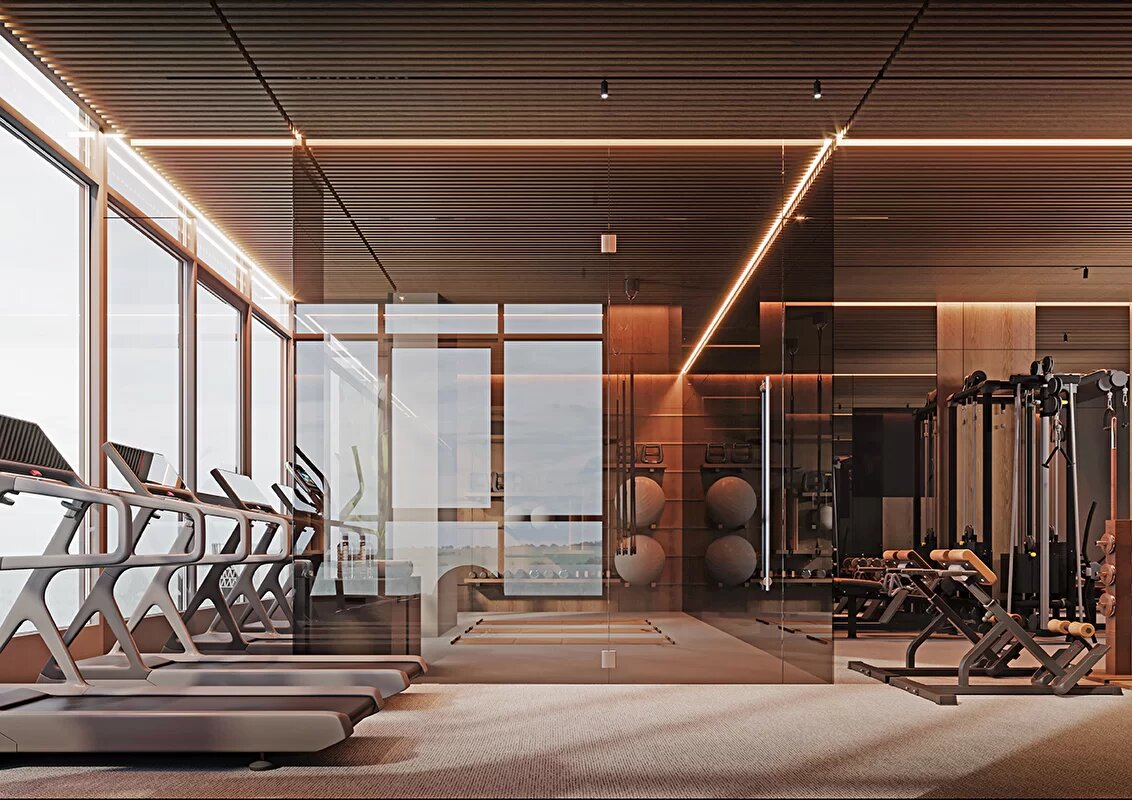
What sets this apart from Soviet-era communal apartments is intent: people are united by shared interests and choice, not necessity. Everyone has a private room or studio, while the kitchen, living room, workspace, gym and terrace are shared.
For anyone who stays in near-constant motion, coliving is a genuinely good option - functional and interesting at once. It builds connections across different walks of life, helps people make friends, and creates a space to share ideas with people who can appreciate them. It can also reduce housing costs, though for many residents community matters more than savings.
In buildings like these, shared areas often take up a quarter of the floor area or more. Units come in several formats - shared, private, and various comfort tiers. Tech professionals are especially common residents, and some companies even house employees in a single building, which works particularly well for teams with flexible schedules.
What Shared Space Means for Design
A space used by many people is designed differently from a private home or a single office. On our projects for coworking spaces, offices and housing with shared areas, we rely on a few principles.
- Zone by activity, not by desk count. Focus work, teamwork, calls and video meetings, rest. Each needs its own lighting, acoustics and furniture.
- Acoustics. Noise is the number one complaint in any open space. Sound-absorbing ceilings and panels, phone booths and well-placed meeting rooms solve it better than house rules.
- The kitchen as the heart of the community. In coworking and coliving alike, the kitchen and dining area are where people actually meet. Make it generous and full of daylight rather than tucking it into a corner.
- Private and shared. People need somewhere to retreat. Personal lockers, nooks and rooms with doors matter as much as the big common hall.
- Durable materials. Floors, counters, upholstery and paint have to handle heavy use and be easy to refresh.
- Nature inside. Plants, daylight and natural materials have a measurable effect on how people feel. More in our piece on biophilic design.
We apply these principles in our office design work at every scale. In the Copper Hall office building, for example, individual office zones got their own plant walls, and for a small team's first workplace, see our guide on how to design an office for a startup.
The community idea works outside the city too. Our cottage settlement in the Carpathian Mountains pairs private homes with a restaurant and conference hall and a sports complex with a pool and spa, while residents rely on solar panels and rainwater collection and come together for shared meals and events.
Coworking and Coliving in Seattle and Washington State
Seattle shows how much the sharing economy has reshaped real estate. With hybrid work here to stay, downtown office vacancy remains high, and landlords are turning floors into flexible workspace, amenity-rich hubs and, in some cases, housing. We looked at what that means for the city in Seattle's skyline problem.
Coliving has also moved from a niche to state policy. Washington's HB 1998, signed in March 2024, requires cities and counties planning under the Growth Management Act to allow co-living housing - private, lockable sleeping units with shared kitchens - on lots in urban growth areas where at least six multifamily units are allowed, starting in 2026. Cities can't demand larger rooms than the state building code requires, and parking requirements are capped, especially near major transit.
For designers, that turns coliving into a real building type with real constraints: compact private rooms that still feel calm, shared kitchens sized for actual use, and common areas that people choose to spend time in. It's exactly the kind of brief where planning and acoustics matter more than finishes.
Frequently Asked Questions
How is coworking different from a regular office? An office belongs to one company, while coworking is shared by different teams and freelancers who pay for a desk or room for a set period. That's why coworking has to be more flexible: zones change purpose over the course of the day.
How much of a coliving building is shared space? Depending on the concept, often a quarter of the floor area or more. The smaller the private rooms, the more attention the kitchen, living room and work zones need.
What matters most in coworking design? Acoustics and zoning. Even the most beautiful space fails if you can't concentrate or take a video call in peace.
Can these ideas work in an ordinary home? Yes. A separate work zone, a large kitchen-living area and rooms that easily change function make a home far better suited to hybrid work and guests.
Planning a coworking space, an office or housing with shared areas? We design around how your people actually work and live, from the floor plan to acoustics and materials.