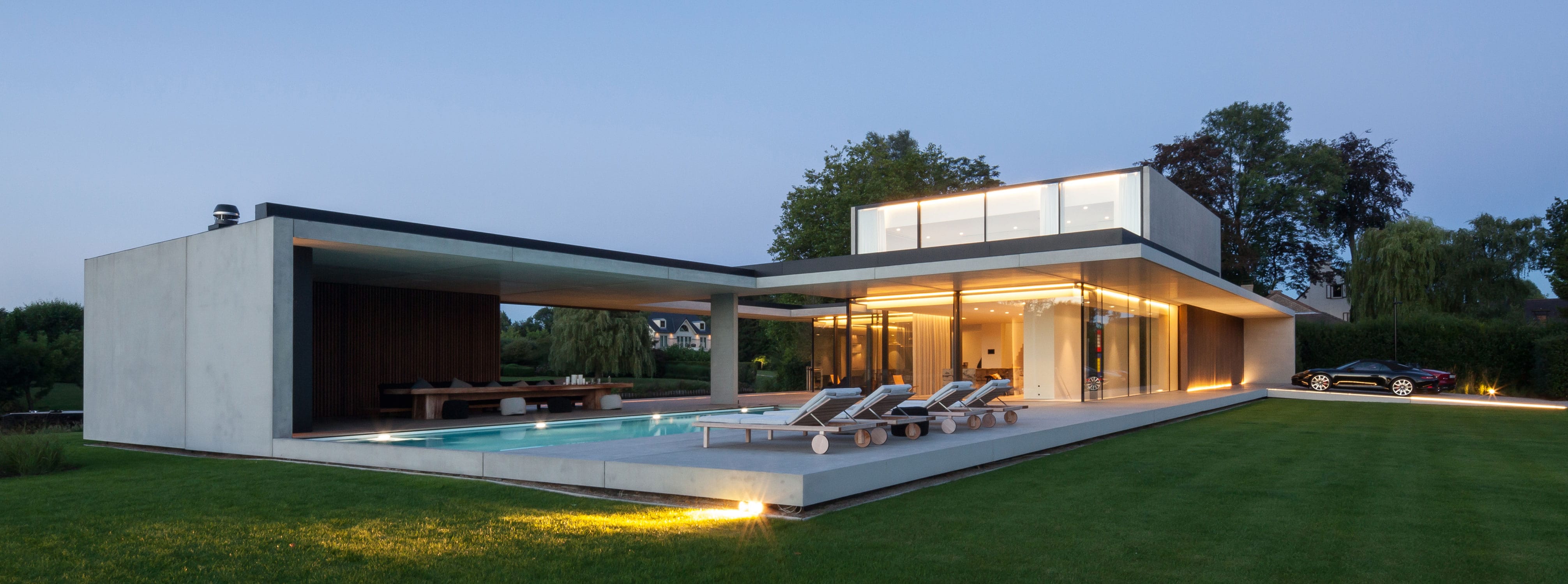
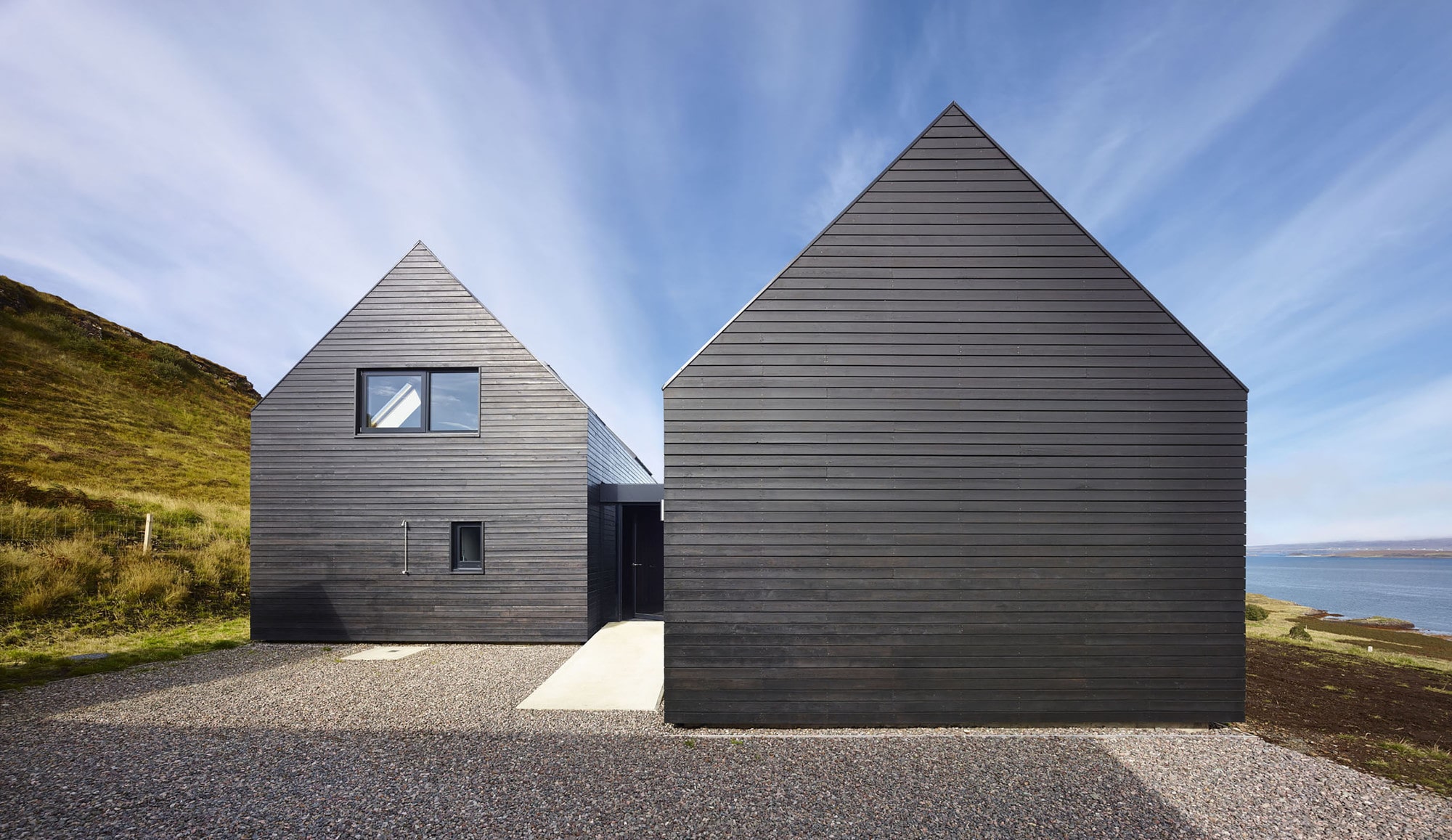
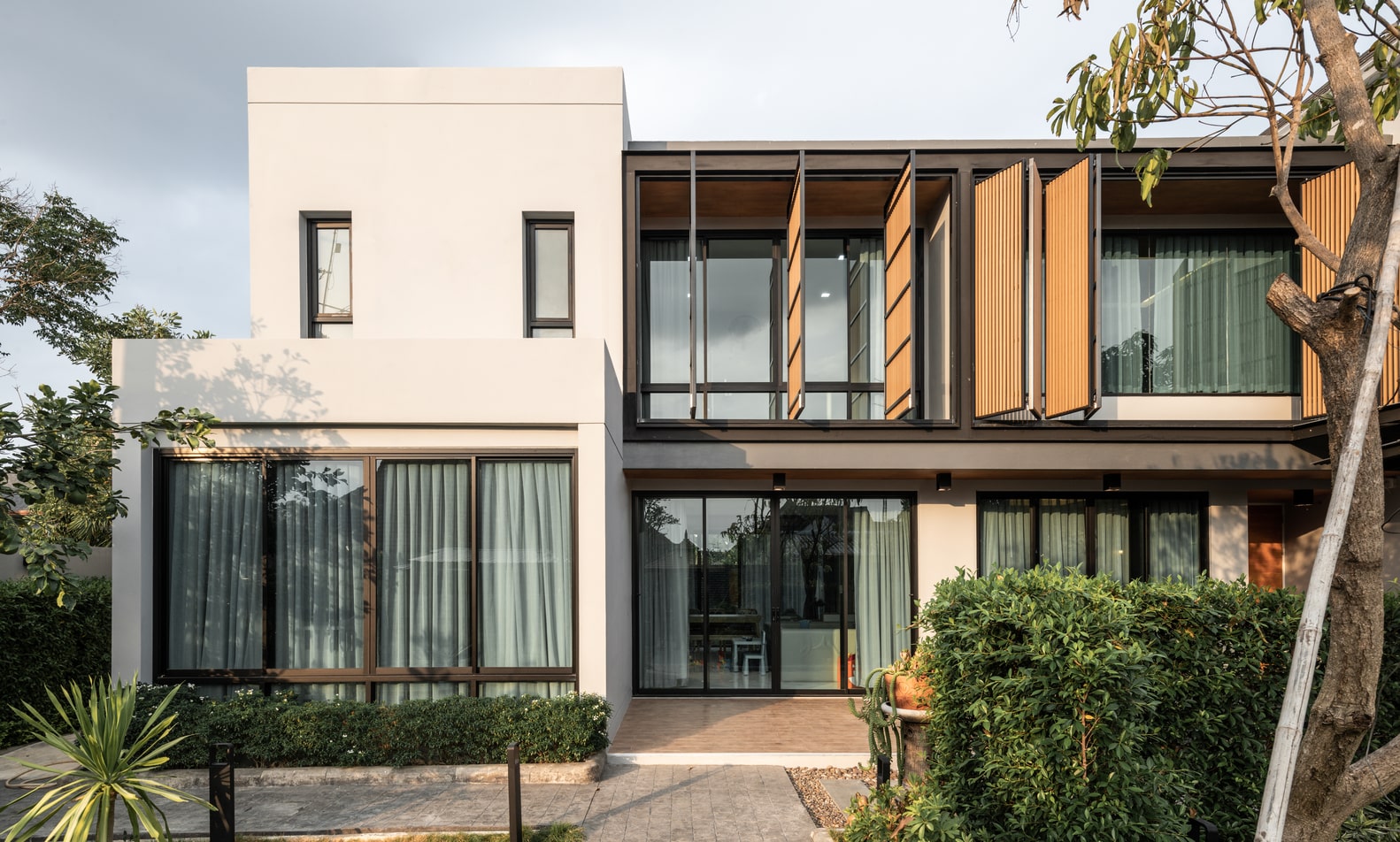
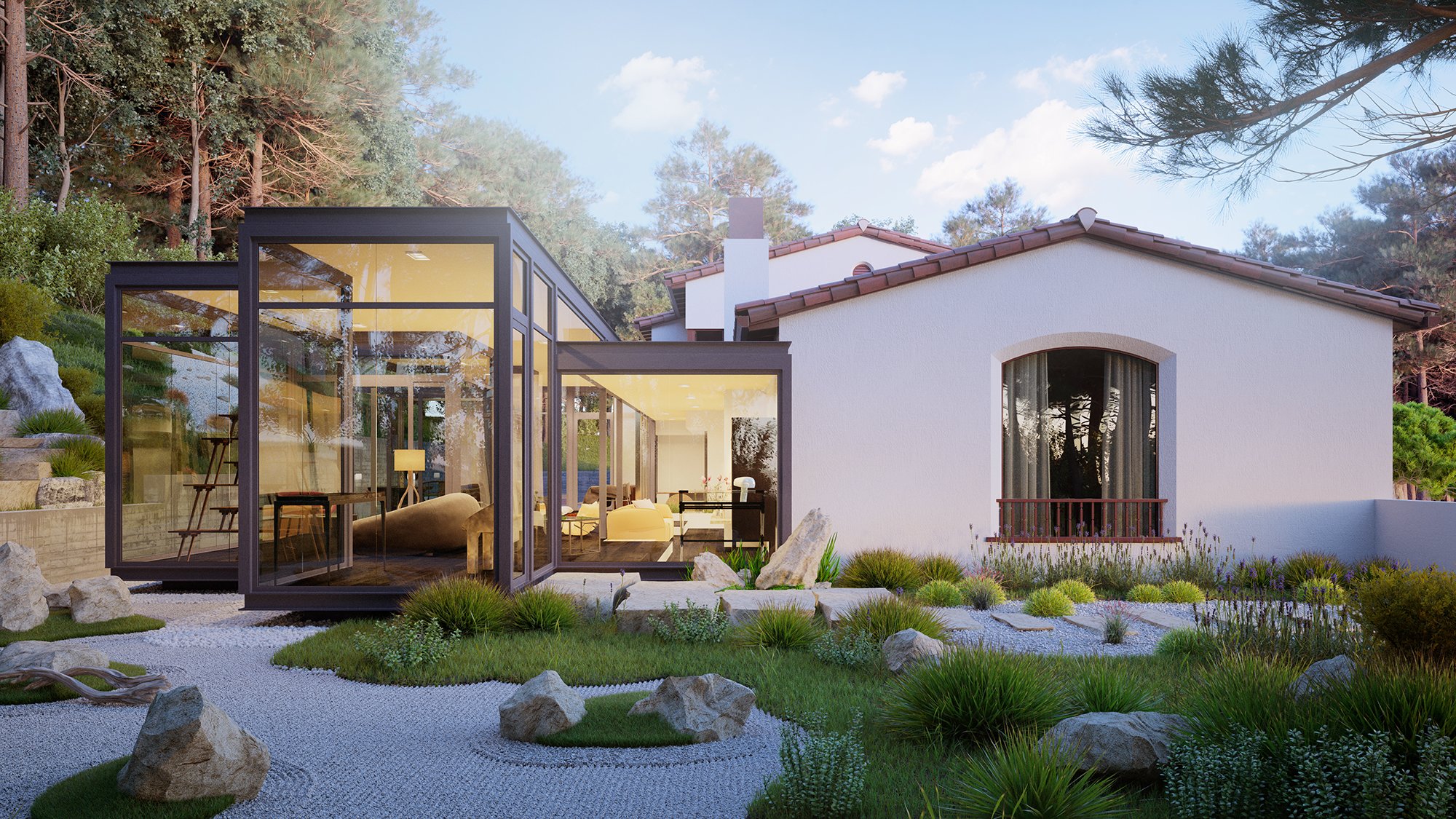
House or apartment? For people in big cities, the question has stayed open for years. To decide what's right for you, it's worth honestly walking through the pros and cons of each. If a house wins, our pages on custom home design and large house projects cover what comes next.
A Little History
Apartment buildings go back to ancient Rome. They were called insulae, and as early as 218 BC the historian Livy mentions an ox that climbed to the third floor of one. Insulae rose several stories, and Emperor Augustus even capped their height at about 20 meters. The ground floor held shops and the apartments of wealthier residents, while the poor lived higher up, without water or toilets, relying on public latrines; fire was a constant threat. Only fragments of insulae survive, and most of what we know comes from texts of the time.
Apartment buildings took their modern form in the 19th century, during the Industrial Revolution. Apartments in four- to six-story buildings in Europe's big cities were spacious and grand, with dressing rooms, studies, and servants' rooms. A building usually belonged to one owner, and the apartments were rented out. In the Soviet Union after 1917, large apartments were subdivided into communal apartments as the state tried to solve a housing shortage.
A third option worth knowing about. If two households are deciding together, look at the duplex format: it splits the cost of land, foundation, and roof while still giving each family a genuinely private home.
Price
The first thing anyone buying a home looks at is price. For both houses and apartments, it depends on:
- Location: city center or suburbs, commute times, school districts.
- Amenities: schools, daycare, groceries, and health care nearby.
- New construction or resale.
- Build quality and condition.
A house on a lot in the suburbs can cost about the same as a good condo closer in, but a house comes with costs a condo bundles into its price or dues: roof and exterior repairs, landscaping, utilities, and everything on the lot.
Maintenance
A house is usually larger than an apartment, and it comes with land. Everything a condo association handles - the roof, siding, grounds, shared systems - becomes your expense and your job in a single-family home. Budget money and time for upkeep every year.
Security
A large house needs investment in security: alarms, sensors, cameras, and a solid fence or gate. An apartment is easier to protect, usually with one entry and often a secured lobby, and there are always people around who might notice trouble. When buying, check the neighborhood as carefully as the unit. A house, on the other hand, gives you more distance and privacy from strangers.
Freedom of Design
One of the biggest advantages of a house is the freedom to realize your ideas: layout, interior, exterior, and landscape. With a good architect, you get a home made for you, limited mainly by budget. An apartment limits that freedom: changes must stay within codes and association rules, and the exterior and common areas are off-limits. Still, nothing stops you from making your own space warm and personal.
Views and Quiet
Views are a matter of taste: skyline or nature. In an apartment, panoramic views come only in certain locations and on upper floors. A house won't always face the water or the forest, but you won't be looking at the side of another building either. Sound is another real difference: in an apartment you hear your neighbors, and even good windows and insulation rarely solve it completely. A house offers genuine quiet.
Timeline
Moving into a new custom house takes time: finding a lot, hiring an architect, getting permits, building, and finishing. Realistically that's one to two years, often more. With an existing apartment or house, purchase and closing can take a couple of months.
House, Condo, or Something in Between in Seattle
In the Seattle area, the choice is no longer just a detached house or a condo. Washington's middle-housing law (HB 1110, passed in 2023) requires most cities to allow several homes per residential lot, and accessory dwelling units (ADUs) are allowed widely, so townhouses, duplexes, and backyard cottages are increasingly common in-between options. Condos come with HOA dues and association rules but no roof or yard work; a single-family house brings freedom and space, along with maintenance, higher energy use, and often a longer commute. If you're building, a well-insulated, heat-pump house sized to your real needs keeps long-term costs in check.
Location and Infrastructure
If you're used to having shops, cafes, and entertainment within walking distance, a city apartment is the right fit. A house outside the city offers quiet and nature, but hospitals, schools, and shopping are further away, which means time and fuel. The choice isn't easy, but after weighing the pros and cons and listening to your needs, you can make it with confidence.
What to Check Before You Buy
If you're looking at a house or a lot:
- zoning and what the lot allows, including ADUs and middle housing, plus any critical areas such as steep slopes, wetlands, or protected trees;
- utilities: sewer or septic, water, power capacity, and the cost of new connections;
- a full inspection, including roof, foundation, drainage, electrical panel, and a sewer scope for older homes;
- a survey of property lines, easements, and access;
- what could be built next door or down the street.
If you're looking at a condo:
- HOA dues, the reserve study, and any planned special assessments;
- the building's age and history of envelope repairs, a well-known issue for some Seattle-area condos built in the 1980s and 1990s;
- rental and pet rules, parking, and storage;
- sound insulation, ventilation, and which way the windows face.
Energy and Comfort Over the Long Run
Operating costs matter as much as the purchase price. A condo shares walls, so it usually needs less energy per square foot, while a detached house loses heat through every side. A new or renovated house can close that gap with good insulation, airtight construction, a heat pump, and solar panels, and Washington's energy code already pushes new homes in that direction. If you're comparing an older house to a newer condo, factor in what it will cost to bring the house's envelope and systems up to current standards.
Resilience is worth a thought too. The Seattle area sits in an active earthquake zone, so for an older house ask whether it has been bolted to its foundation and whether cripple walls are braced, and for a condo ask about the building's seismic evaluation. Winter windstorms can knock out power, which makes a battery or a properly installed generator a sensible addition to a house.
If you already have a lot, a house, or an apartment in mind, we can help assess what it allows before you buy: what can be built or remodeled, and what it would realistically cost.
Frequently Asked Questions
Which is cheaper to maintain, a house or a condo? Usually a condo, with less space and shared costs, though HOA dues can be significant. An energy-efficient house with solar can have very low utility bills.
How long does it take to build a custom house? From design to move-in, typically one and a half to three years, depending on size, permitting, and construction method.
What's best for a family with kids? A house offers space and a yard; a condo offers proximity to schools and activities. A townhouse or a house with an ADU can be a good middle ground.