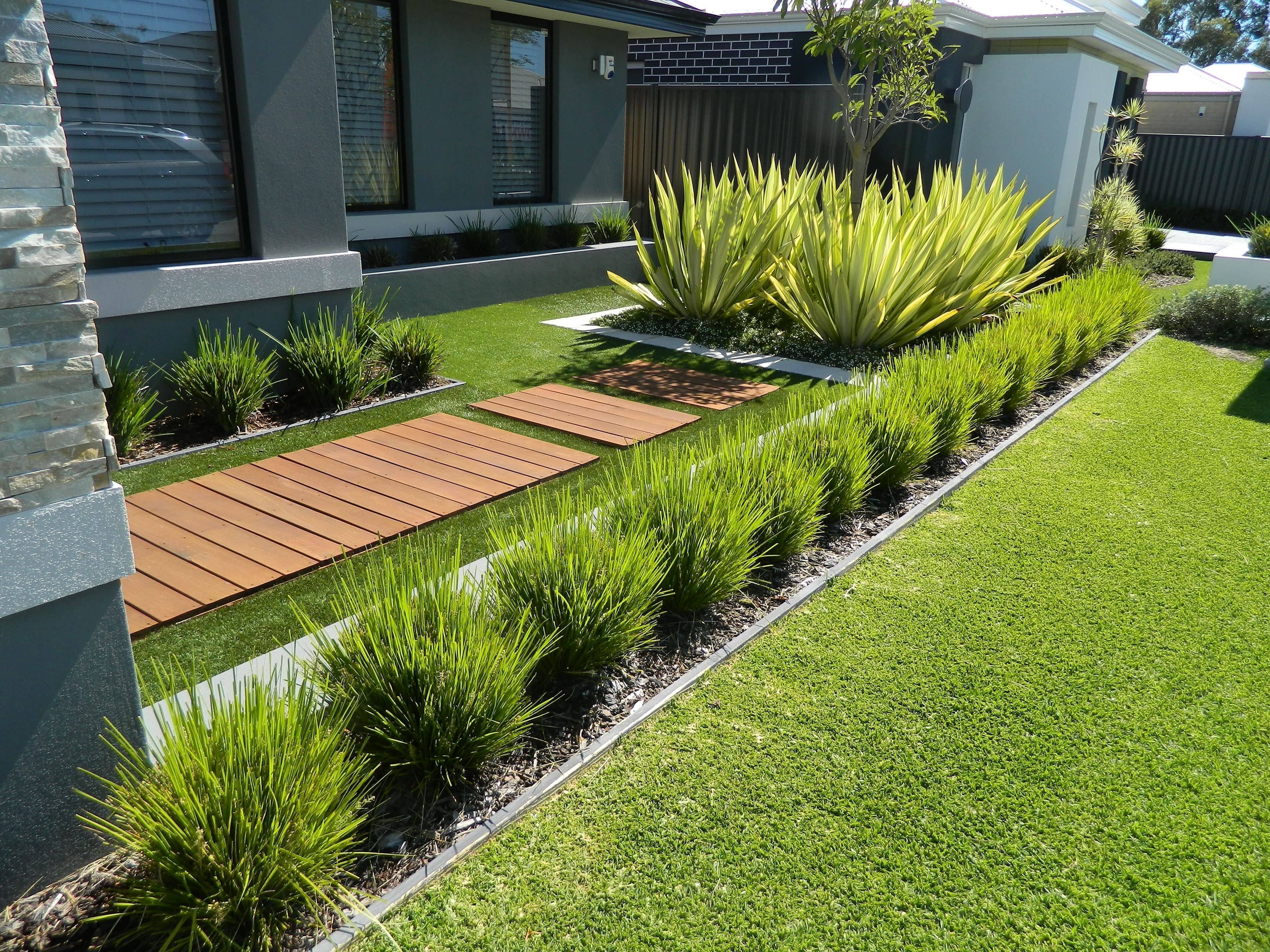
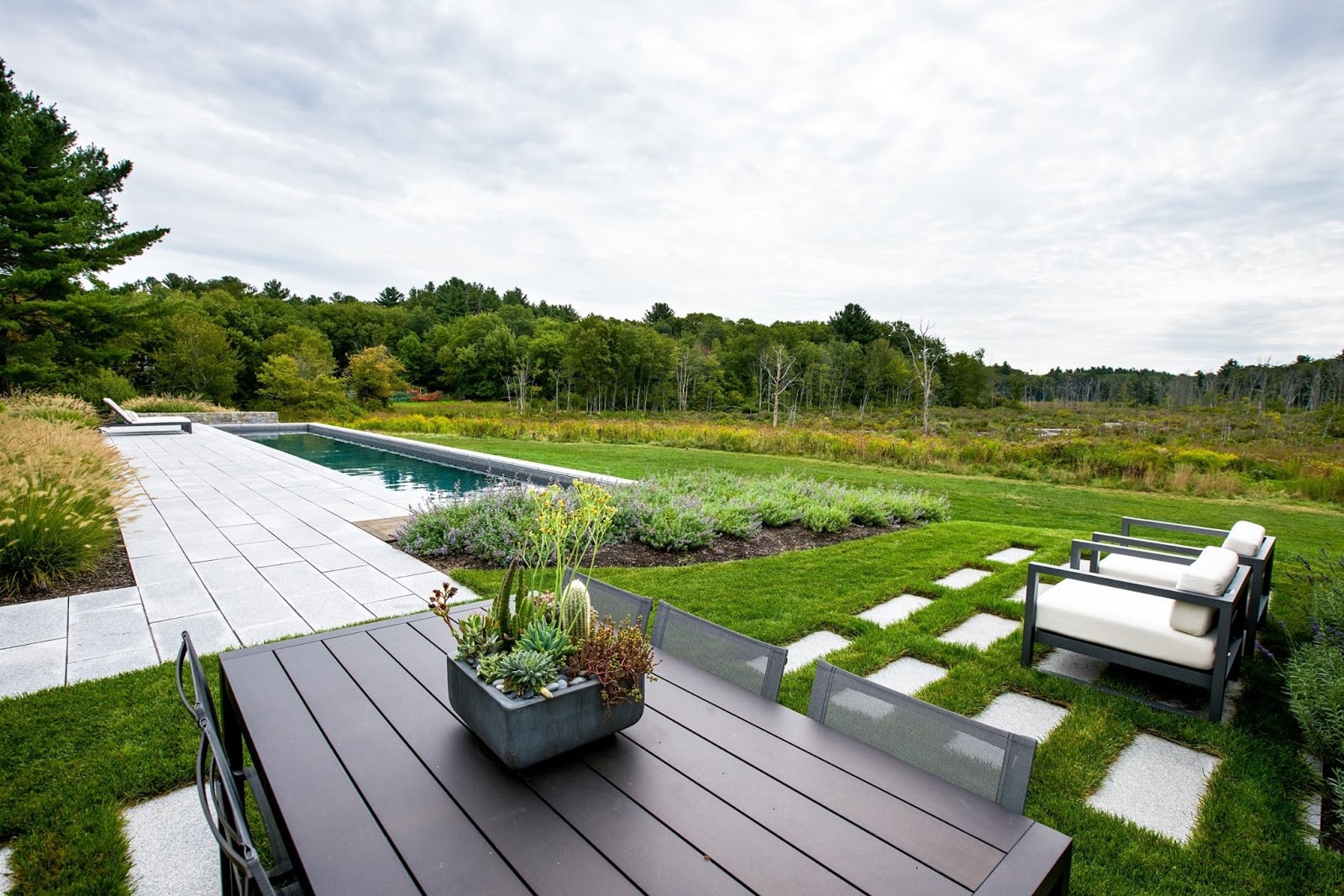
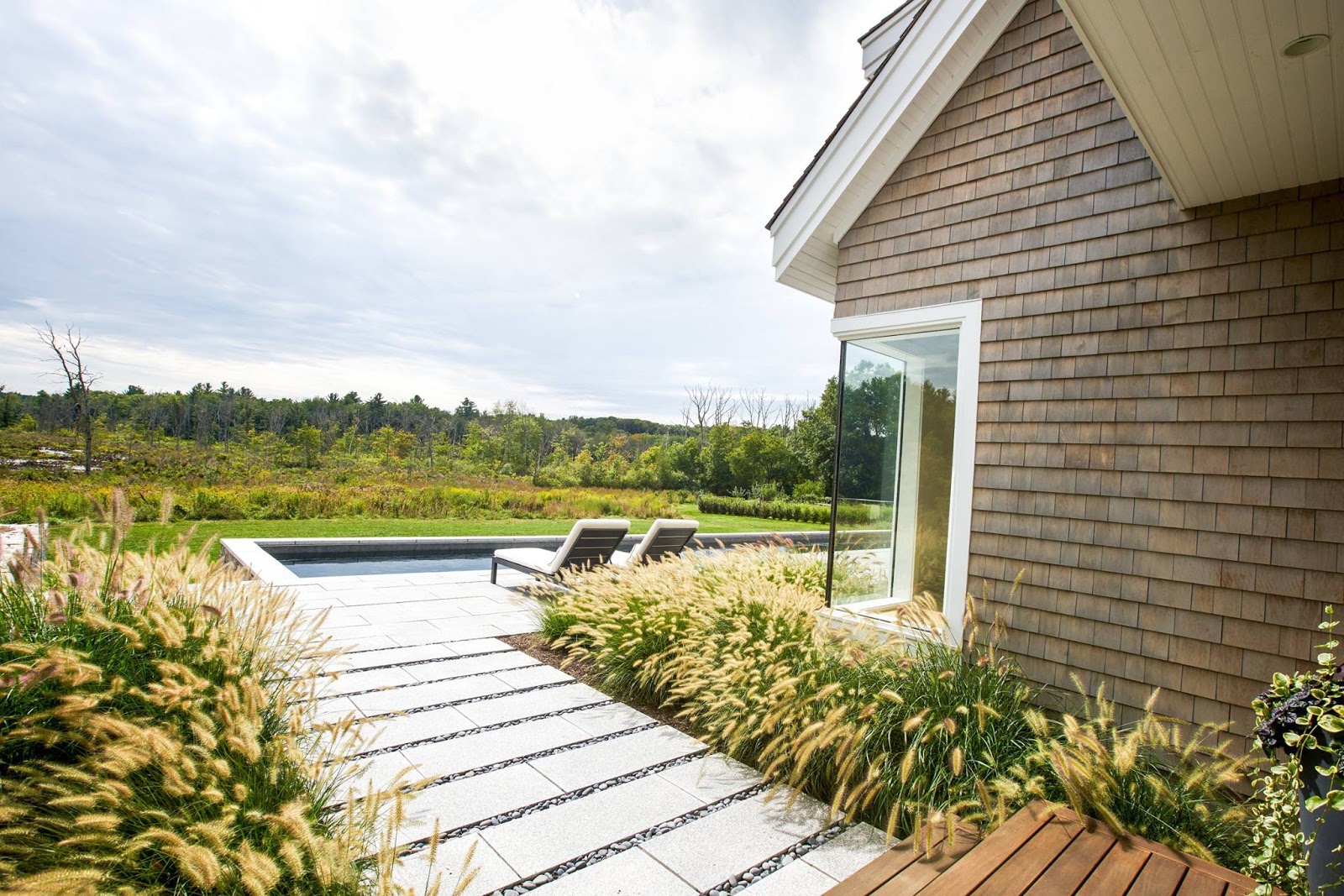
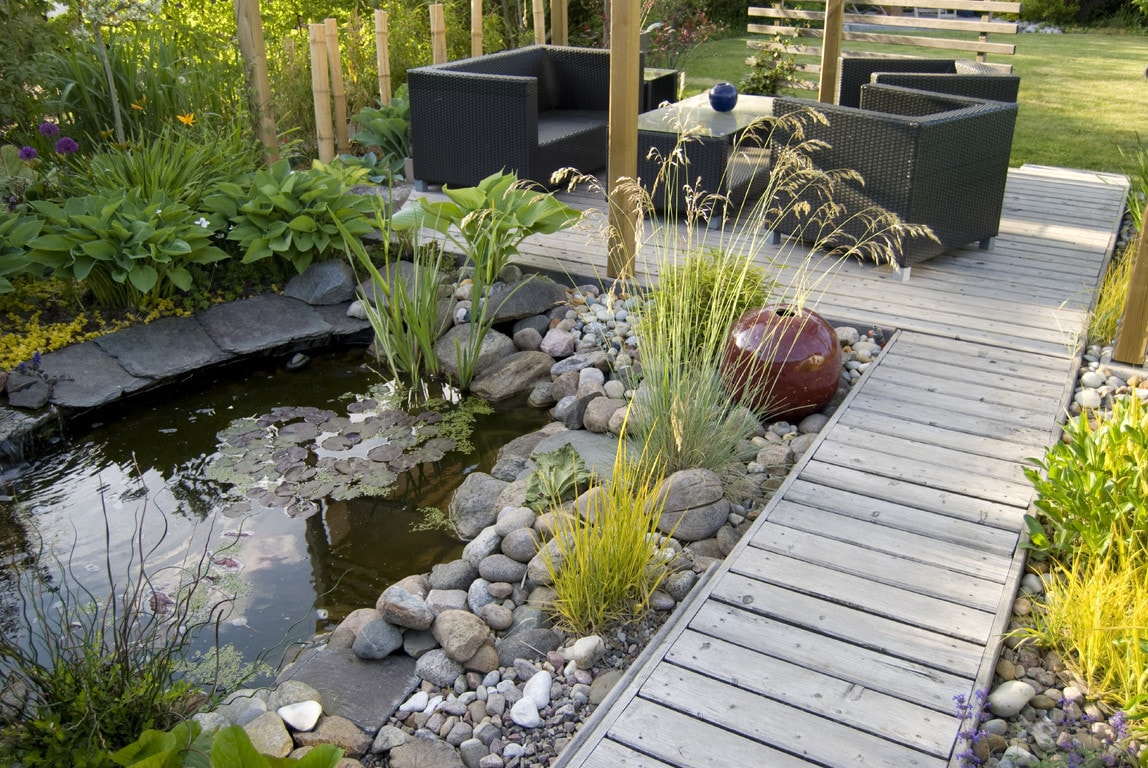
Landscape design sits at the intersection of three disciplines: architecture with its engineering, botany, and, less obviously, history. Most people think of it as the practical work of gardeners who simply fit out the space around a house. For us as architects and designers, the goal is different: to create a harmonious setting with a piece of nature that supports the architecture and softens the contrast between the natural world and urban life.
Where Landscape Design Came From
The art of gardens reached Europe from the East: from Persian "paradise gardens" built around water and shade to the gardens of Moorish Spain, such as the Alhambra. Renaissance Italy gave villas terraced gardens; seventeenth-century France perfected the formal garden, culminating in André Le Nôtre's Versailles; and eighteenth-century England answered with the landscape garden, which imitated natural scenery. For centuries this remained gardening for palaces and estates. The idea of landscape architecture as a profession took shape in the nineteenth century, when Frederick Law Olmsted and Calvert Vaux, who won the 1858 competition for New York's Central Park, began calling themselves landscape architects. In the twentieth century the profession became a response to dense industrial cities where a pleasant environment for people had all but disappeared.
The Building Blocks of a Landscape
Architects and designers work with several groups of elements: the buildings themselves, whose hard geometry and flaws a landscape can soften; lawns and paving; trees, shrubs, and planting beds; water in ponds, pools, and fountains; stone and small structures; lighting; and even sound. Good landscape design rests on three principles: beauty, practicality, and ease of care.
It is both an art and a science. You need to understand how the components work together and which plants suit a particular region without demanding constant attention, so the garden gives comfort and pleasure rather than chores. Architecture and landscape are closely linked, which is why the "green zone" should be designed together with the house.
How We Approach a Landscape
- Site analysis: topography, soils, drainage, sun and shade, wind, and the views to open up or screen.
- Zoning: entry, terraces, outdoor living, play areas, vegetable beds, and service areas.
- Planting plan suited to the climate and to how much maintenance you want.
- Garden engineering: drainage, irrigation, lighting, and water features.
- Phased installation, so the garden looks good in its first season and matures over time.
Landscapes for Pacific Northwest Homes
Around Seattle, a garden has to handle wet winters and increasingly dry summers. Native and climate-adapted plants such as sword fern, salal, Oregon grape, and vine maple thrive with little help and support local wildlife. Rain gardens and cisterns slow stormwater runoff, and in eligible parts of Seattle the RainWise program offers rebates for them. Sloped lots need terracing and careful drainage, and tall evergreens should be planned so they frame views without shading the house in winter.
We design gardens as part of our landscape design service, along with pools and waterfront homes. To see greenery brought onto a city building at scale, read our article on Kö-Bogen II, and for the Seattle angle, our piece on biophilic design.
FAQ
When should a landscape project start? Together with the house design, or at least before construction ends, so drainage, irrigation, lighting, and grading are built in rather than retrofitted.
Can a garden be truly low-maintenance? Close to it, with climate-adapted plants, mulch, and efficient irrigation. No living garden is maintenance-free, though.
What is the difference between a landscape designer and a gardener? A gardener cares for plants; a landscape designer designs the space itself: grading, zones, paths, water, light, and planting as one whole with the architecture.