
Direct answer: the biggest landscape design trend shaping the Pacific Northwest in 2026 is a move away from minimalism and toward density and biodiversity - layered native plantings, water-wise design, and materials that look local rather than imported, replacing the clipped, spare gardens that dominated the previous decade.
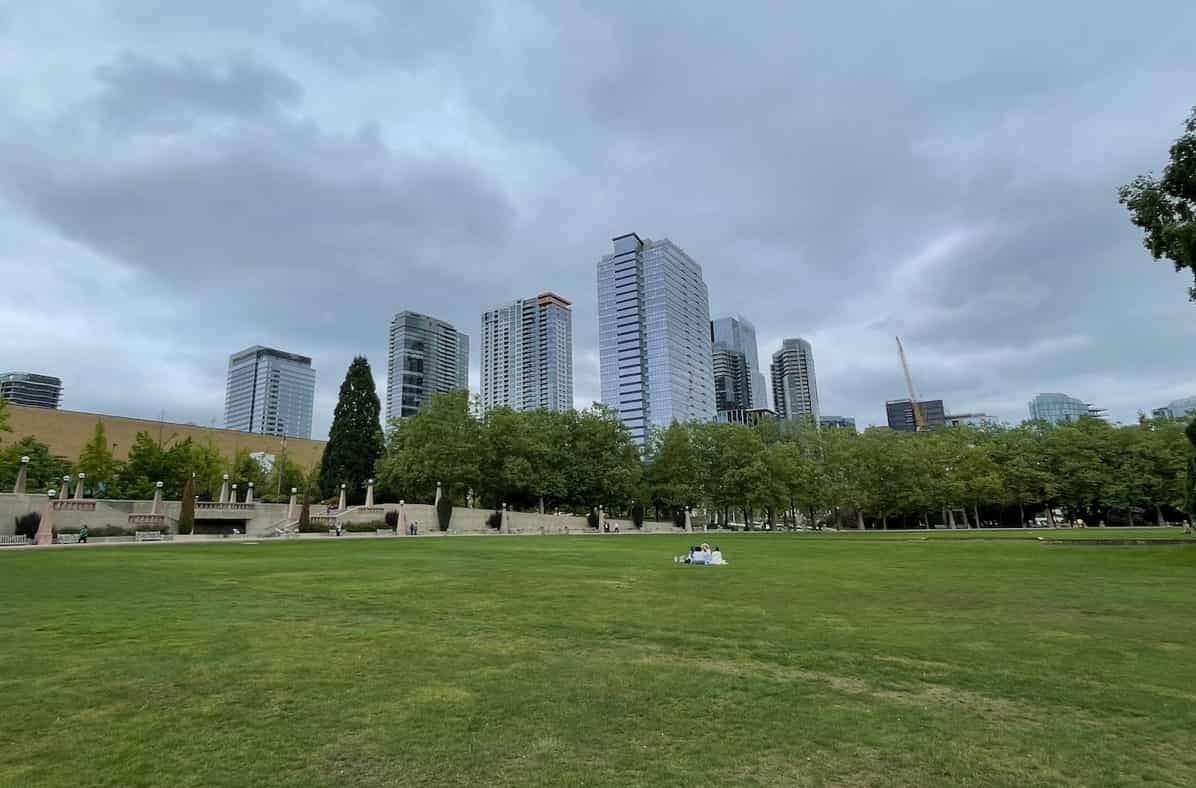
1. Minimalism Is Out, Biodiversity Is In
Sparse, heavily edited garden beds are giving way to denser plantings - more plants per square foot, less exposed soil, and a focus on evergreen texture layered with seasonal color rather than a handful of statement specimens. Denser beds also lose less water, need less weeding, and support more pollinator and bird activity than the minimalist gardens they're replacing.
2. Native Plants Are the New Default, Not the Exception
Why native plants matter: once established, Pacific Northwest natives need little to no supplemental irrigation, resist regional pests without chemical intervention, and support local wildlife in ways imported ornamentals don't. The plants showing up most often in 2026 designs include Vine Maple for fall color in shade to part sun, Oregon Grape as an evergreen groundcover with berries for birds, Salal as a tough shade-tolerant understory shrub, Red-flowering Currant for early spring blooms that draw hummingbirds, and Western Sword Fern as the classic PNW textured evergreen layer.
3. Water Management Is Built In, Not Bolted On
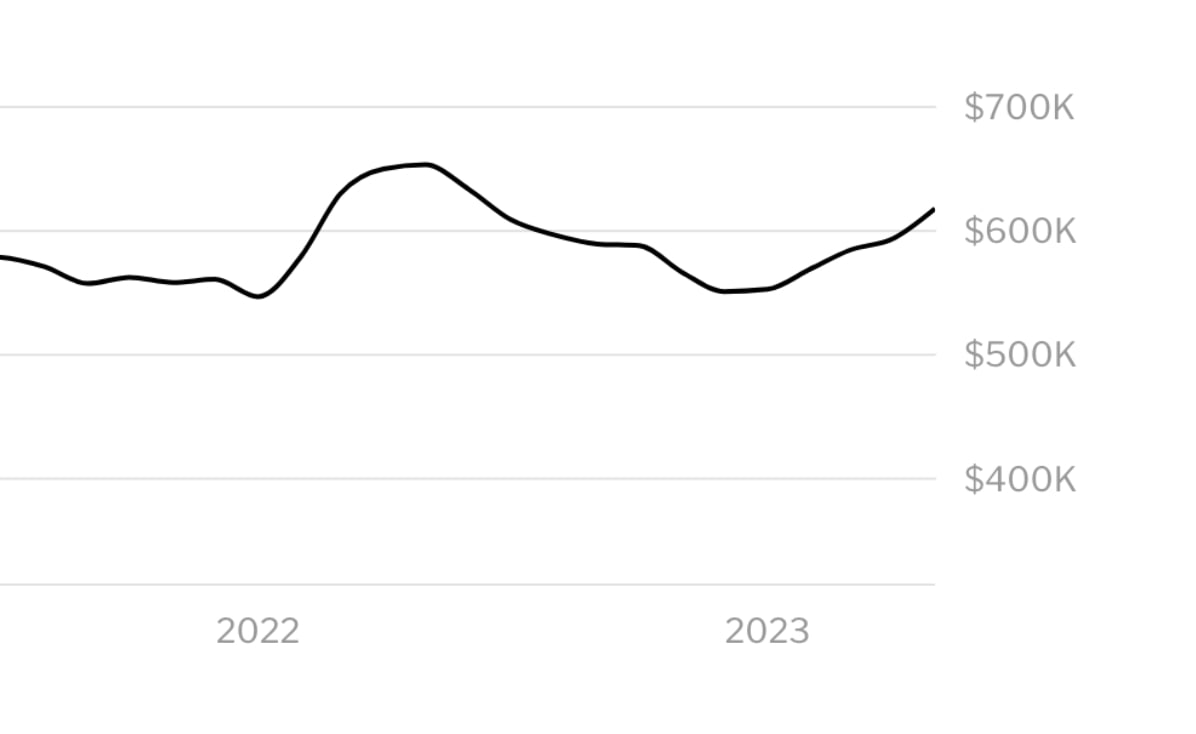
Rain gardens, permeable pavers, and smart irrigation controllers that adjust automatically to weather and soil-moisture data have moved from optional upgrade to default expectation. The region's pattern - wet winters, increasingly dry summers - makes this a practical choice: smart systems can cut water use by roughly 30 to 50% by watering only when the soil needs it, not on a fixed schedule.
4. Modern Hardscape Blends Industrial and Natural Materials
Corten steel, concrete, and salvaged stone paired with native, drought-tolerant plantings define a hardscape style that's become popular across the region in 2026 - clean architectural lines from the hard materials, softened by ornamental grasses or creeping groundcovers rather than fighting against them. It photographs well, but the bigger appeal is that it ages honestly: corten steel is designed to rust into a stable patina, not to be maintained against it.
5. Three Distinct Regional Styles Keep Recurring
Most 2026 Pacific Northwest landscape projects fall into one of three broad approaches: Modern Northwest (clean lines, structural plantings, concrete pavers, steel accents), Woodland Retreat (natural stone, cedar mulch, ferns and native understory plants for a relaxed forest feel), and Coastal Minimalist (ornamental grasses, driftwood, gravel, and hardy shrubs built to handle wind and salt exposure). Each captures a different part of the region's character, but all three lean on natural texture and climate-appropriate plant choices rather than imported, high-maintenance alternatives.
6. Organic Lawn Care Is Becoming the Default, Not the Upgrade
Chemical-free lawn management - compost and compost tea to build soil naturally, taller mowing heights that shade roots and crowd out weeds, and "grass-cycling" mulched clippings back into the lawn to recycle nutrients - has moved from a niche request to standard practice for a growing share of Pacific Northwest homeowners in 2026. The transition isn't instant: the first year typically shows more weeds as synthetic inputs phase out, the second year sees the soil's own biology strengthen and the lawn grow noticeably more resilient, and by the third year the payoff is a healthier, denser lawn that needs less ongoing intervention. It takes commitment, but it protects pollinators and reduces runoff in a way synthetic programs don't.
Frequently Asked Questions
Do native plants work in more formal, structured garden designs? Yes - many Pacific Northwest natives like Vine Maple and Oregon Grape have refined forms and respond well to pruning, making them workable in structured layouts, not just naturalistic ones.
How much can smart irrigation actually save? Typically 30 to 50% on water use, since these systems only run when weather and soil-moisture sensors indicate the landscape needs water, not on a fixed timer.
What's the best drought-tolerant plant for a Pacific Northwest summer? Oregon Grape, Salal, and Western Sword Fern are all drought-tolerant once established and require little to no supplemental watering through the region's dry months.
A landscape design works best when planned alongside the house rather than as an afterthought - the coordination our architecture projects build in from the start.


