Time moves on, and some things stop making sense the way they used to. This piece looks at industrial buildings that stopped turning a profit and lost their original purpose.
Often, the reason comes down to maintenance cost. Left alone, buildings like these can sit decaying for decades before something new eventually replaces them on the same site.
Plenty of European cities give buildings like this a second chance instead. Former factories become public spaces that carry cultural value - and generate real revenue for the city budget. The practice has a name: revitalization.
Grünerløkka Student House, Oslo
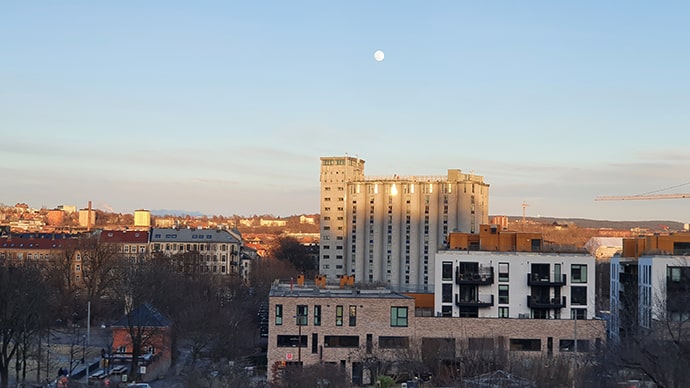
A 1953 grain silo in Oslo, which took its last load of grain in 1990, was converted into student housing at the turn of the 2000s. Local authorities didn't want to demolish the massive industrial structure and opted to convert it into residential use instead. A hotel was the original idea, but after extended discussion, student housing won out.
The units initially looked small, given they were designed to store grain rather than house people. But after reconfiguration - and thanks to well-placed windows - the resulting smart apartments feel cozy and surprisingly spacious. Each of the 226 units includes custom-built furniture, since standard pieces simply wouldn't fit given the space constraints. The result: a building with 16 residential floors that works well for out-of-town students, since everything they need is already built in.
The Silesian Museum, Katowice
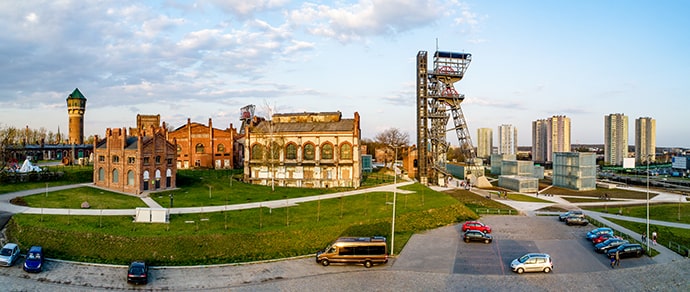
Katowice offers an interesting revitalization case: a former coal mine converted into a museum. The Katowice coal mine closed at the end of the 1990s, and the decision was made to turn the site into public space.
The project was designed by Riegler Riewe Architekten and opened in 2015. Preserved mine buildings and glass pavilions sit above ground, while the main exhibition halls are set deep below it. Before the move, the museum had spent years in the former Grand Hotel building. Critically, all the original mining equipment stayed on site.
Gasholders London
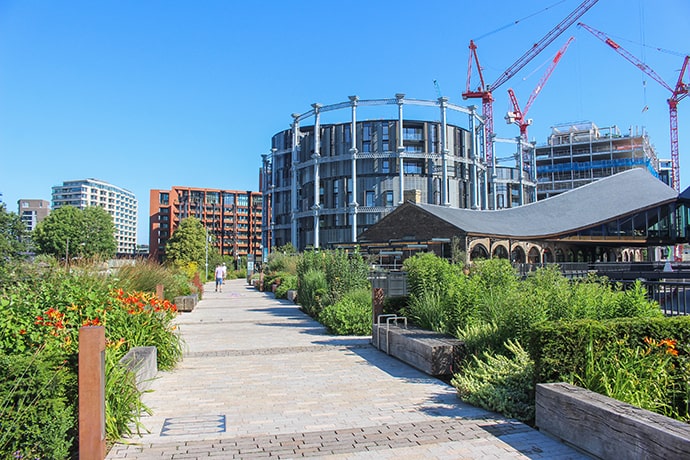
A fair number of gasholders - tanks once used to store town gas made from coal, which lit the streets and later fueled kitchens and heating - still survive across Europe. Once natural gas and modern storage replaced them, these structures sat empty, largely untouched for years before restoration efforts picked up over the past couple of decades. One of the most striking examples sits in Britain: a 19th-century cast-iron structure near King's Cross station, converted into upscale residential housing. Units at Gasholders London start around £800,000, with 145 apartments in the complex.
HafenCity, Hamburg
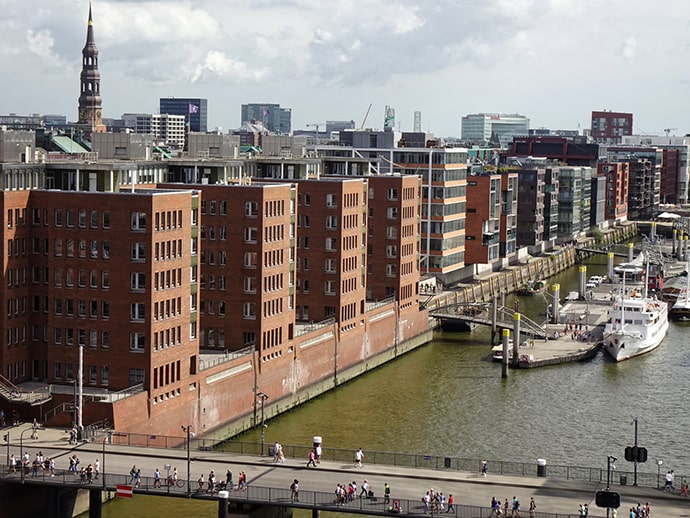
The longest-running revitalization project on this list started in 1997 in Hamburg. The HafenCity district was built on the site of the city's old port and covers everything a modern resident needs. Construction is still ongoing, though the major phases are now largely wrapping up - completion of the whole district is now expected around 2030.
Kaapelitehdas, Helsinki
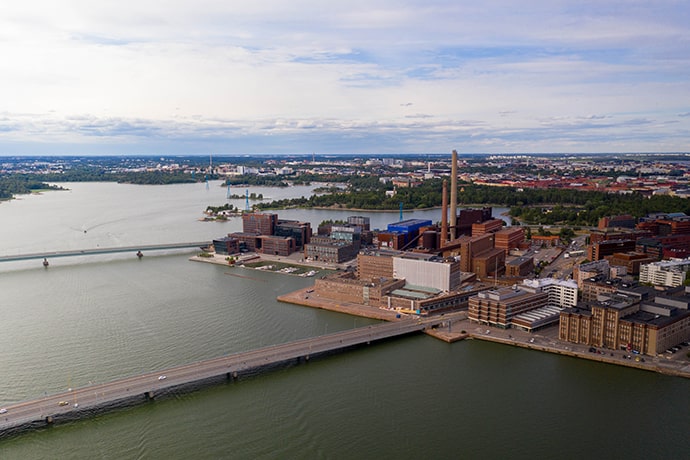
Helsinki pulled off a genuinely elegant version of this: combining museums, shops, community organizations, and a restaurant in one space. After cable production ended in 1987, artists and other tenants persuaded the city to save the former cable factory (Kaapelitehdas, in Finnish) from demolition, and since the early 1990s it has been a city-owned public venue. The project generates real revenue for the city - several million euros a year - largely because any part of the space can be rented for practically any kind of activity.
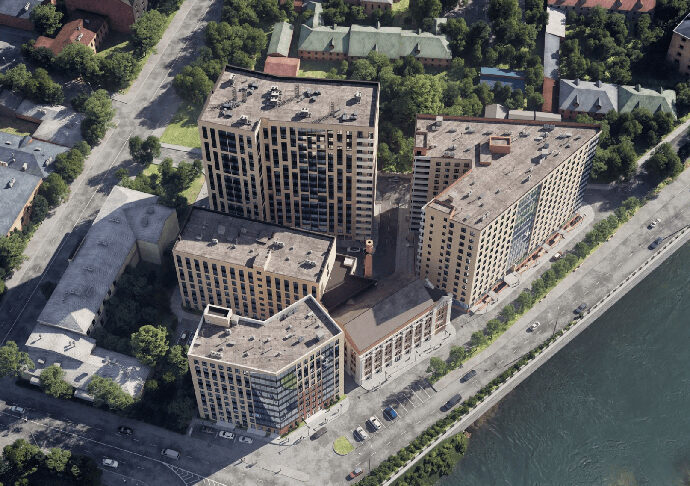
Revitalization hasn't fully caught on in Ukraine yet, though there are successful examples - IT Manufaktura in Kharkiv among them. Building codes often make it hard to fit public space into industrial structures, so demolishing old buildings and starting fresh remains the more common route. But it's far more interesting, says Ramil Mekhtiiev, CEO of developer ENSO, when a space holds onto its history and original intent.