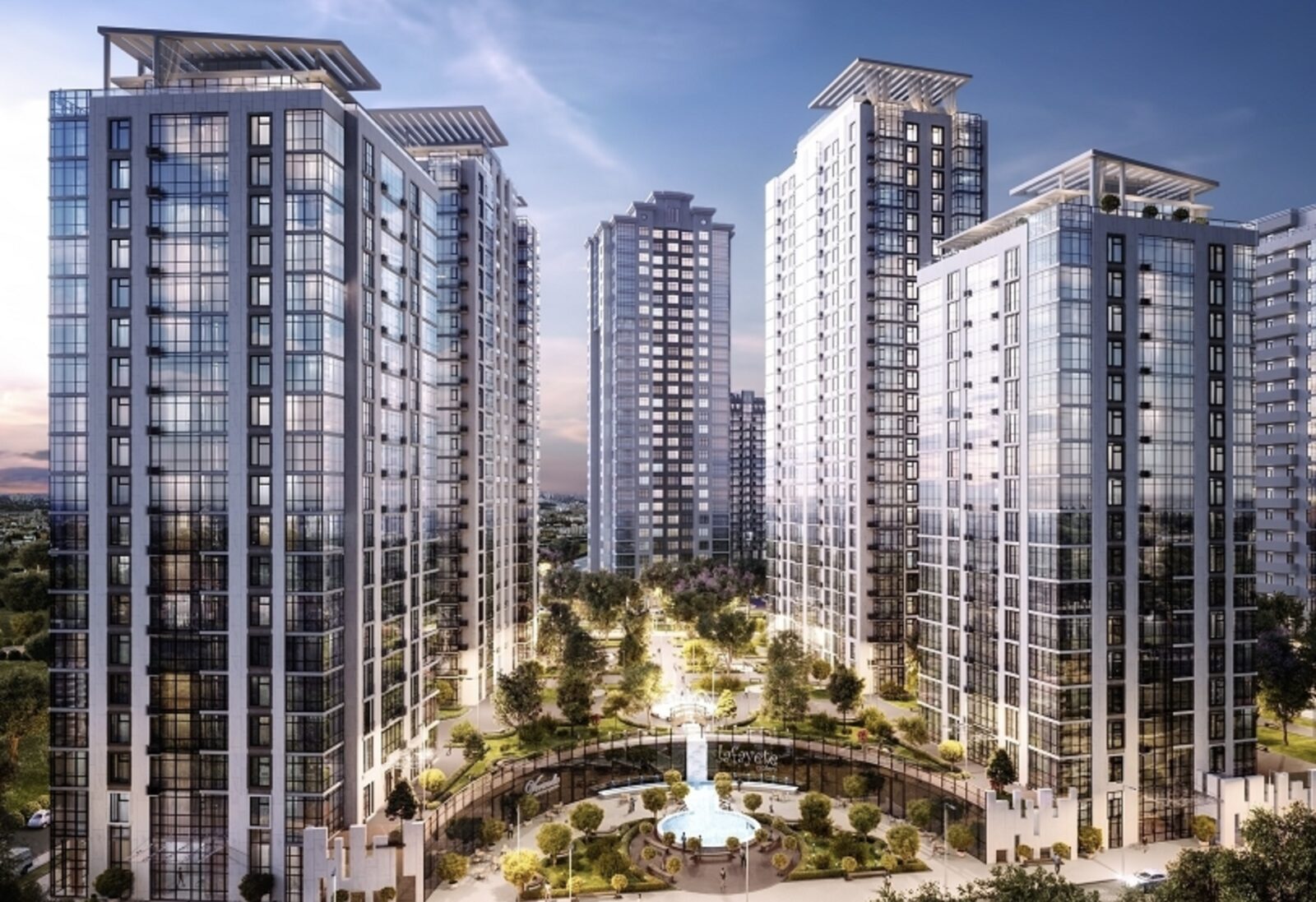
Direct answer: despite the war, Ukraine's premier ski resort has built a premium price league of its own - and it now outprices the capital. As of May 2026, the median price in Kyiv new-builds sits around $1,400/m² without renovation. In Bukovel, quality comfort- and business-class complexes start from $2,500/m² already finished, and select apart-hotel formats reach $6,000/m². The resort itself is profitable enough to prove this isn't a bubble: over the first nine months of 2025, the two companies operating the Bukovel resort declared combined net profit exceeding 490 million UAH.
A Premium Price League of Its Own
The comparison is counterintuitive. Kyiv is the capital, the seat of government, the country's largest economy and largest luxury real estate market by volume. Bukovel is a ski resort in a mountain village in Ivano-Frankivsk region. And yet, on a per-square-meter basis in the premium tier, Bukovel has pulled ahead.
Part of the explanation is straightforward: Bukovel works as an income-producing asset, not only a place to live. Owners rent units out during ski season and holiday periods, and the resort's own financial performance - hundreds of millions of hryvnia in declared profit even in a single nine-month window - gives buyers real data to underwrite that rental thesis, which most residential real estate doesn't offer.
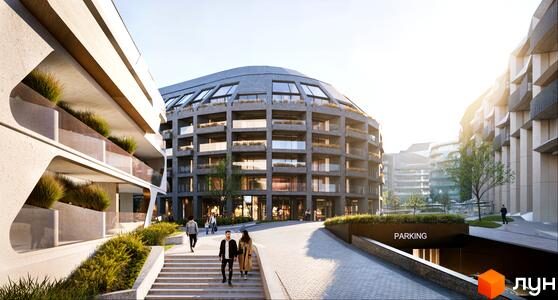
The other part is scarcity. Kyiv's new-build market has ample supply, spread across dozens of developers and districts. Bukovel's buildable land, immediately adjacent to lift access and ski trails, is limited - and during a war that has made large parts of the country harder to invest in with confidence, capital has concentrated on the small number of Ukrainian locations that combine physical safety with a credible income story.
What's Actually Being Built
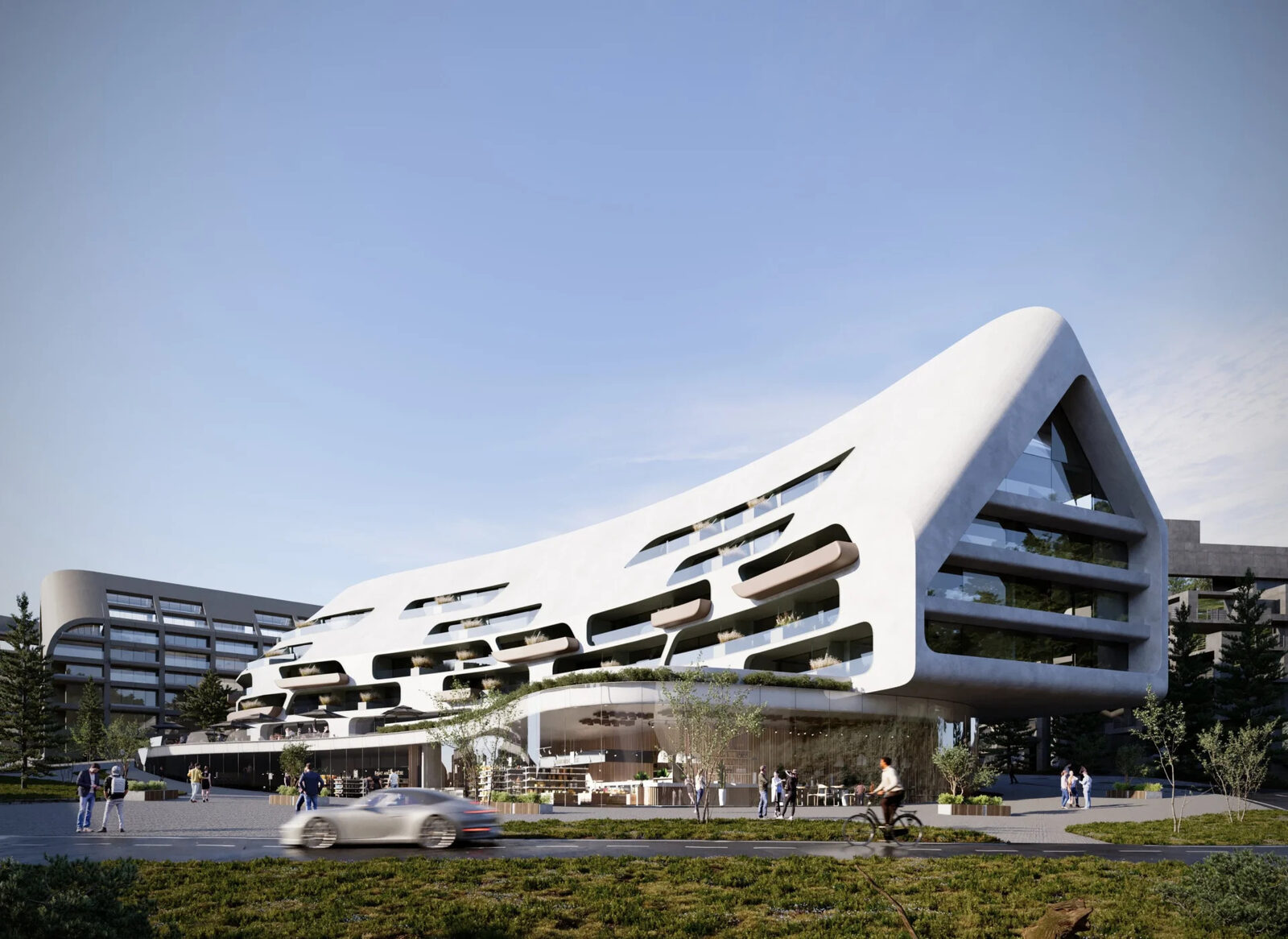
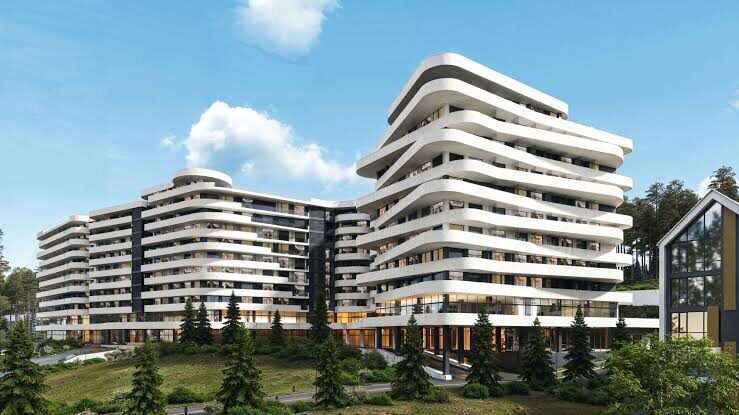
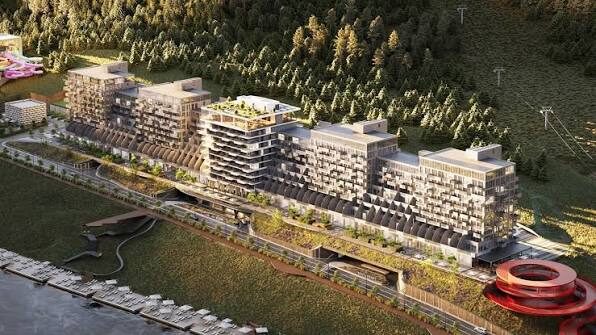
The current wave of construction in Polyanytsya, the village that has effectively become Bukovel's town center, includes several distinct projects rather than interchangeable apartment blocks.
NEBO, an apart-hotel currently under active construction, is selling one-, two- and three-bedroom units from 25 to 67 m² at $3,300-$3,600/m² - clear, published pricing and an active sales process, not a speculative pre-launch.
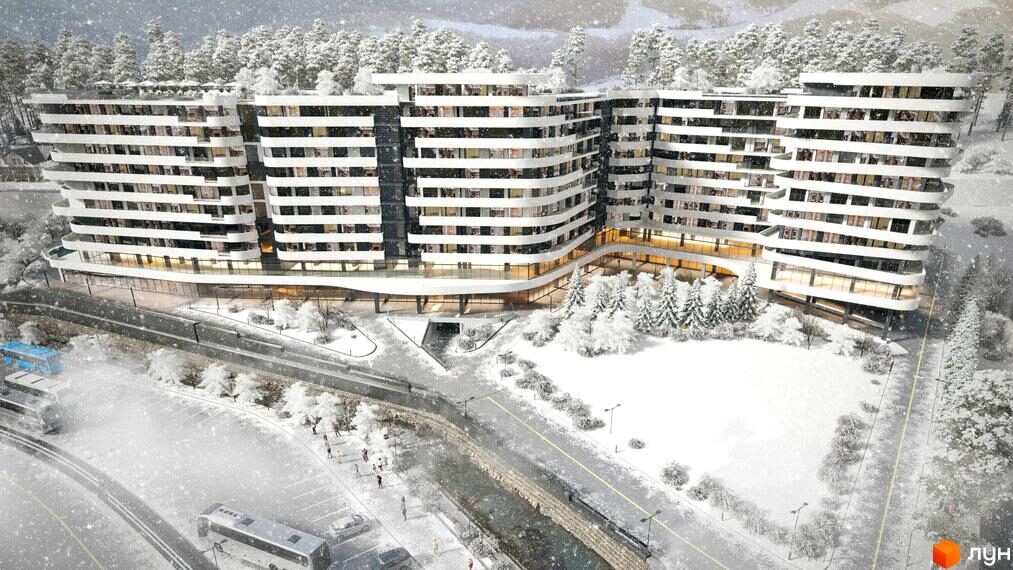
ESCAPE City, developed by VD Group, stands apart: the complex sits directly along ski trail No. 7, treating slope access as part of the living space itself rather than an amenity a shuttle bus takes you to.
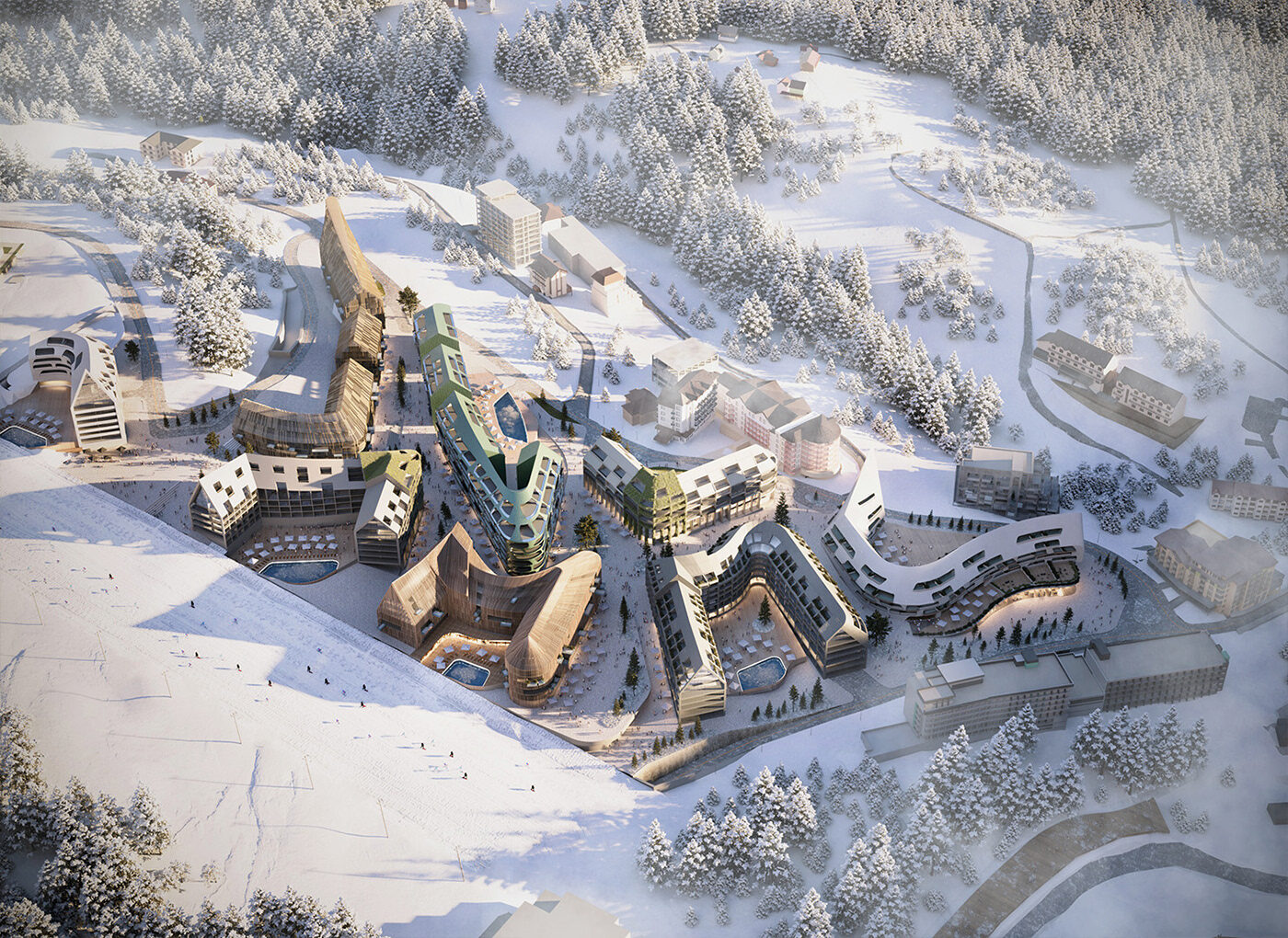
GLACIER is positioned lakeside at the foot of the mountains, with a ski lift built into the complex's own infrastructure - a rarer configuration that combines water and slope access on a single property.
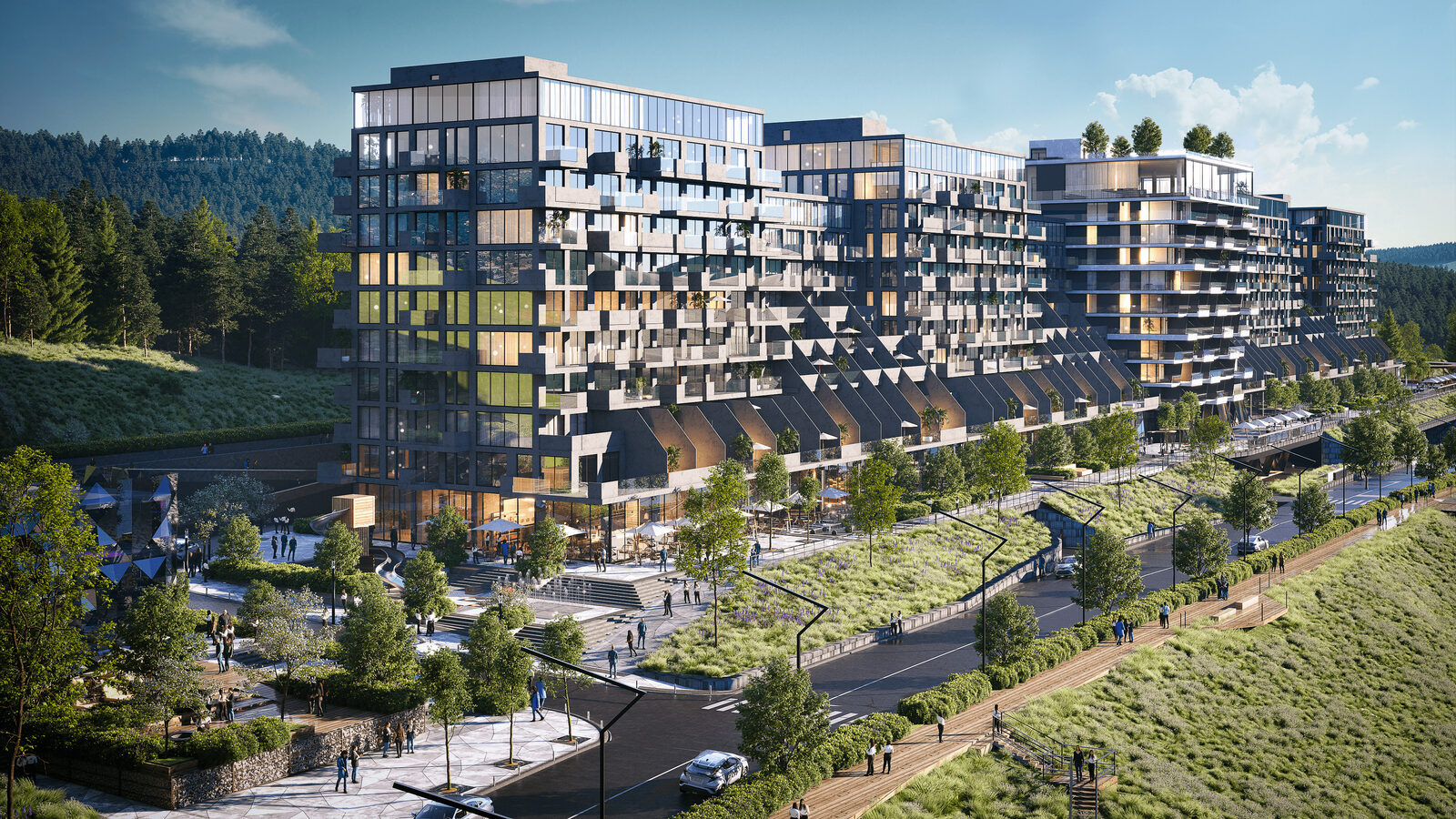
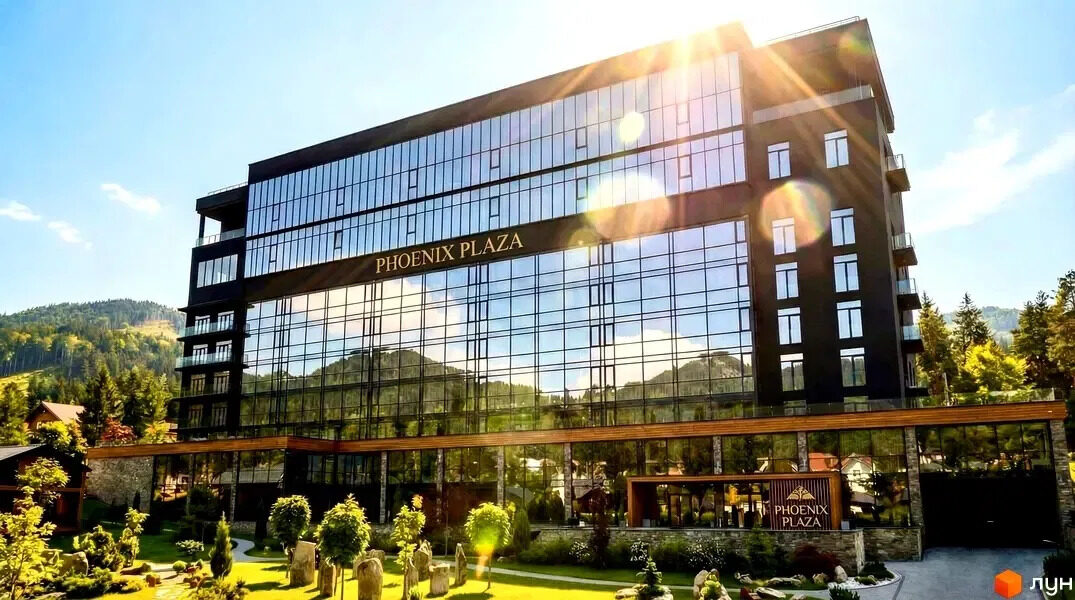
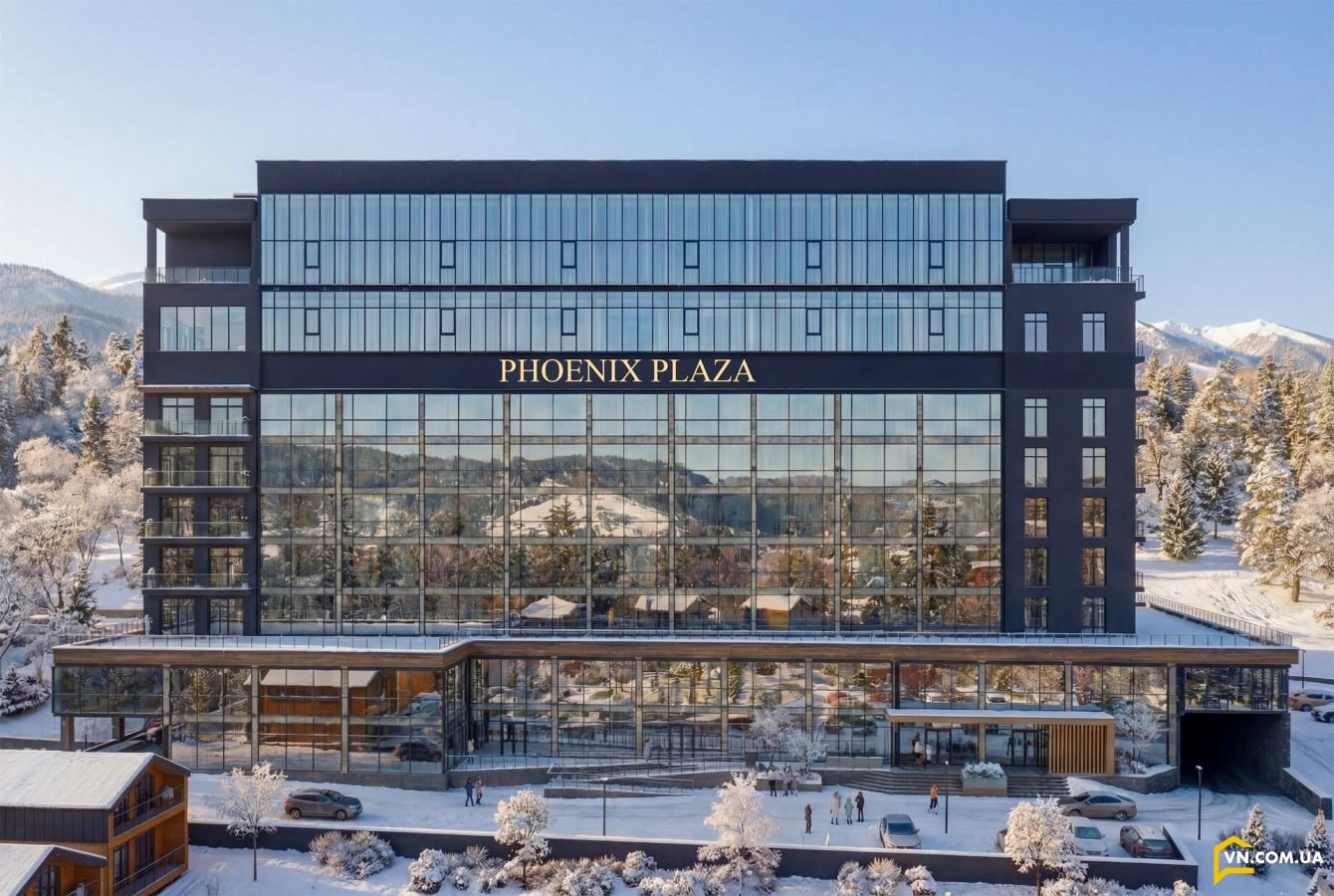
PHOENIX PLAZA, from Phoenix Invest, offers 120 one-bedroom units of roughly 55 m² across floors 3-7, positioned near the Huzul Land ethnopark - alpine aesthetics with a local cultural tourism attraction next door.
Why Mountain Architecture Is a Different Design Problem
A unit in any of these buildings faces the same reality that shaped our own Carpathian projects: mountain climate and views are design constraints, not a scenic backdrop.
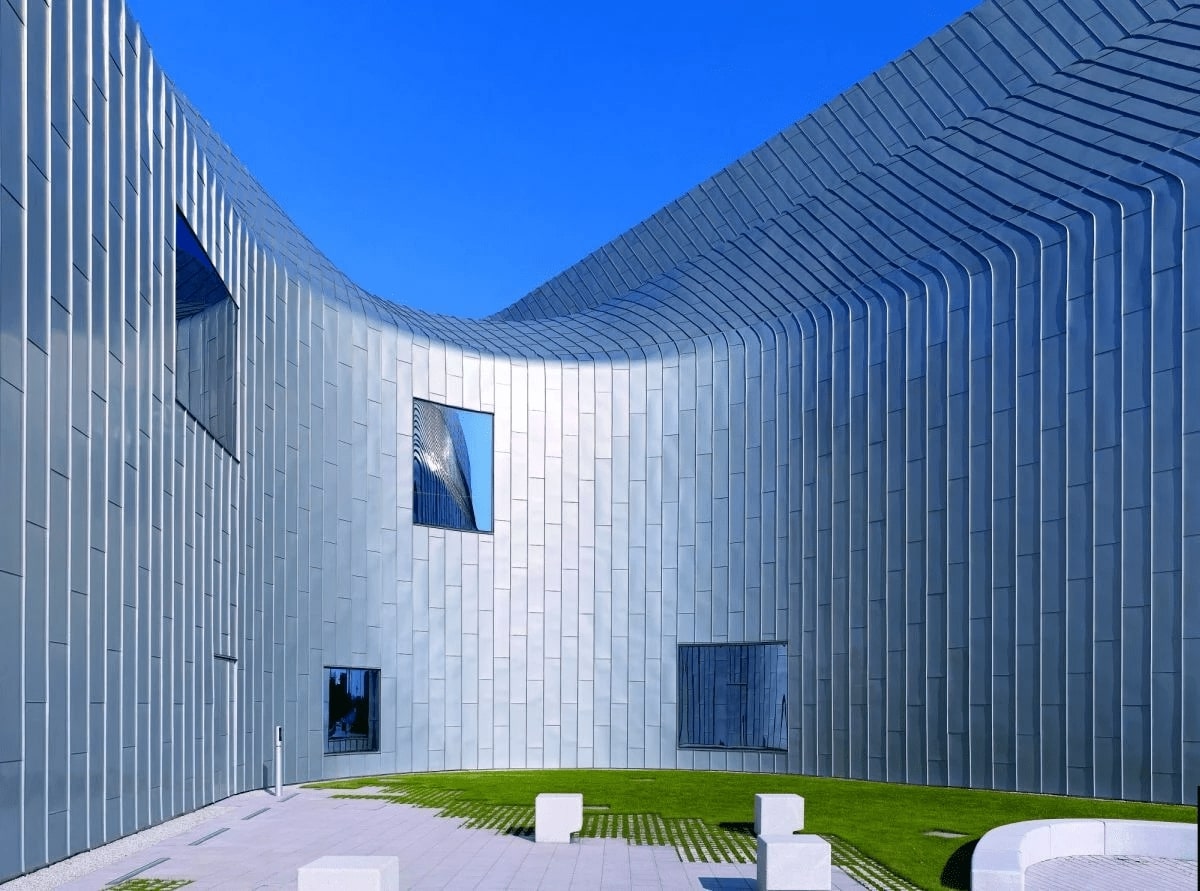
Roofing has to perform under real snow load, not just look alpine - which is part of why we specify RHEINZINK patinated zinc systems on our own Carpathian work, and why choosing the right roofing system matters more here than in most residential contexts. Outdoor living space needs to be designed around cold winters and short, intense summers, the kind of problem our terrace design work addresses. And an energy-efficient building envelope stops being optional once winters get long and heating costs compound - the same Passive House principles we've written about apply directly to mountain construction, arguably more urgently than to a mild coastal climate.
What We've Already Built in the Carpathians
Our own cottage settlement project in the Carpathian Mountains uses thermally-modified wood and stone alongside RHEINZINK's patinated zinc facade and roofing systems - a material combination chosen because the surface improves with weathering rather than degrading, which matters in a climate this harsh. We've also completed a smaller project - a one-bedroom minimalist house in the Carpathians - the same design language at a much smaller scale.
What This Means If You're Building or Buying Here
Whether the unit is a 25 m² studio in NEBO or a full private residence, the pattern from Kyiv's premium new-builds repeats here: units are often delivered without a finished interior, meaning the design and build-out is a separate, necessary phase after the purchase, not an optional upgrade.
That work covers luxury home design for full private residences, interior design for apart-hotel units that still need to feel like a home rather than a hotel room, material selection suited to mountain weathering rather than generic finishes, and furniture selection that has to perform through a real ski season, not just look good in a listing photo.
Frequently Asked Questions
Why does Bukovel cost more per square meter than Kyiv? A combination of genuine rental income potential backed by the resort's own strong financial performance, and a structurally limited supply of buildable land near lift and slope access, concentrated further by wartime capital seeking safer, income-producing Ukrainian assets.
Are Bukovel properties usually delivered finished, or as a shell? It varies by project and price point, but as in Kyiv's premium segment, many units - especially in newer, higher-end complexes - are delivered without a finished interior, requiring a separate design and construction phase.
Is mountain climate architecture genuinely different from lowland design? Yes - roofing has to handle real snow load rather than just look alpine, outdoor spaces need a completely different seasonal design logic, and building envelope performance matters more given how long and cold mountain winters run compared to most of Ukraine's lowland climate.
Have you actually built in the Carpathians, or is this a new market for you? We've completed a full cottage settlement and a separate minimalist private house in the region, both using materials and systems - including RHEINZINK roofing and thermally-modified wood - chosen specifically for how they perform in mountain conditions.