Who Are RHEINZINK?
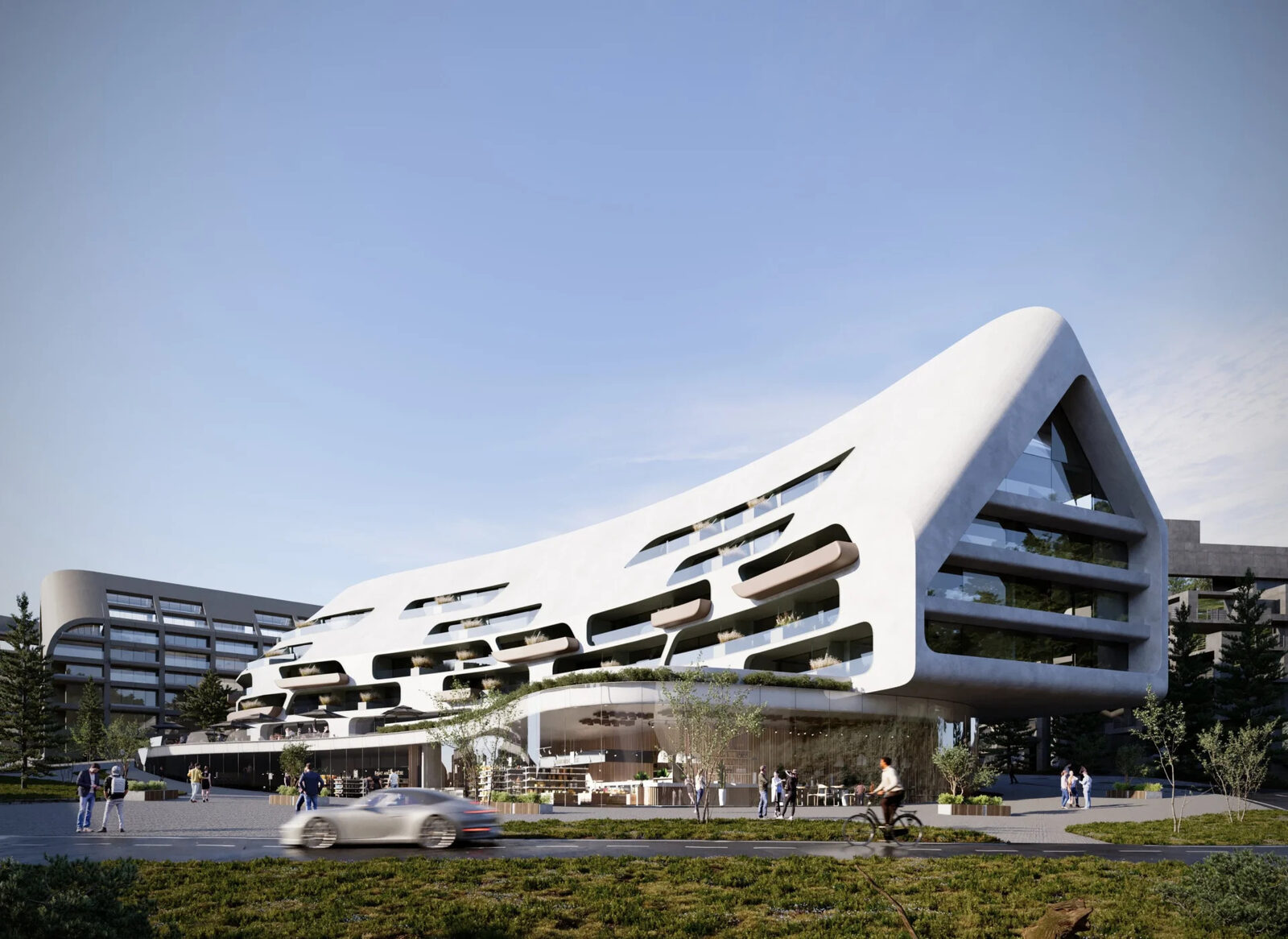
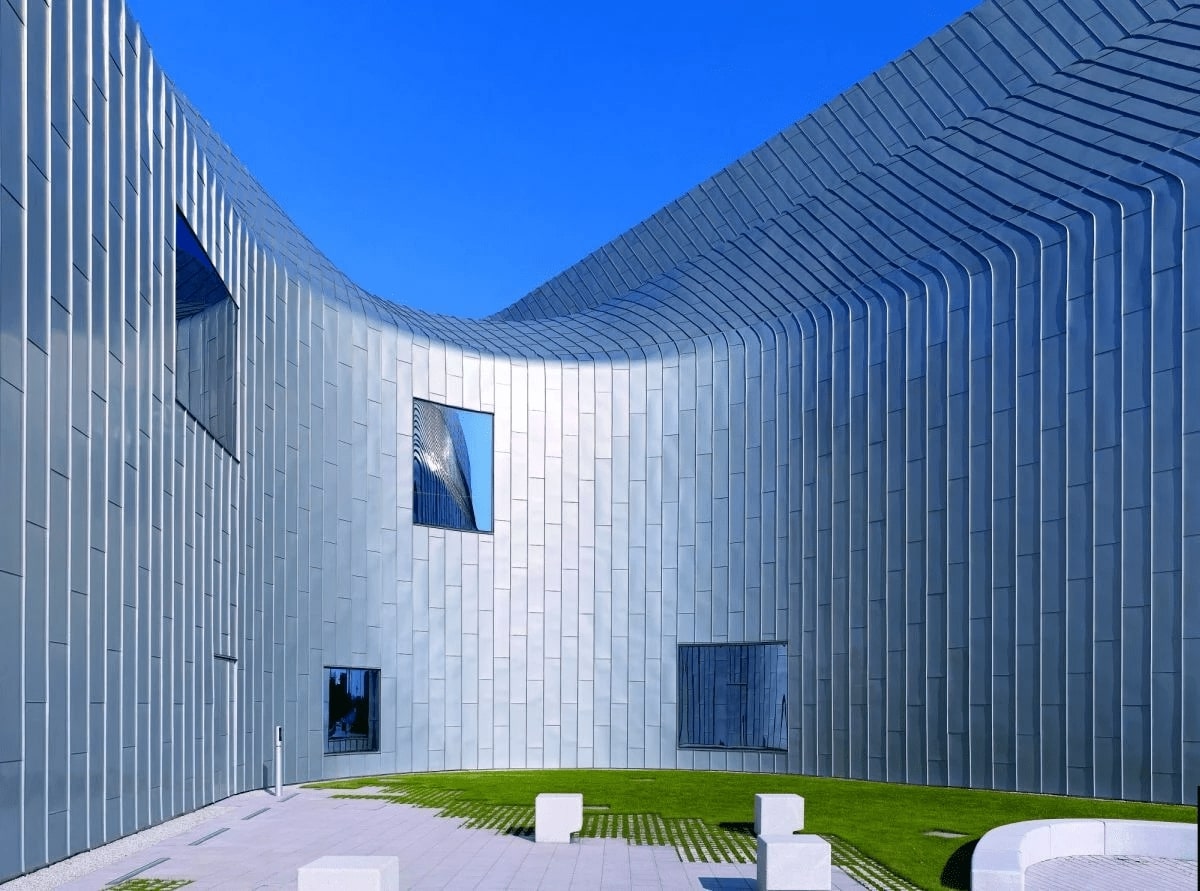
RHEINZINK manufactures zinc-titanium, a material widely used for roofing systems, building facades, and drainage. The company is the world's number-one producer of the material, and it's a member of the GRILLO group. Architects and designers around the world specify RHEINZINK because the material combines two things that don't always come together: genuine long-term durability and real aesthetic appeal.
The company was founded in 1966 and now employs roughly 700 people worldwide, with production capacity of 160,000 tons a year. RHEINZINK is officially represented across five continents and more than 30 countries.
The material itself is an electrolytically refined zinc alloy of high purity (99.995%), with small additions of copper and titanium worked in to improve its mechanical properties. That specific alloy is what carries the RHEINZINK trade name.
The Patina - Zinc's Real Signature
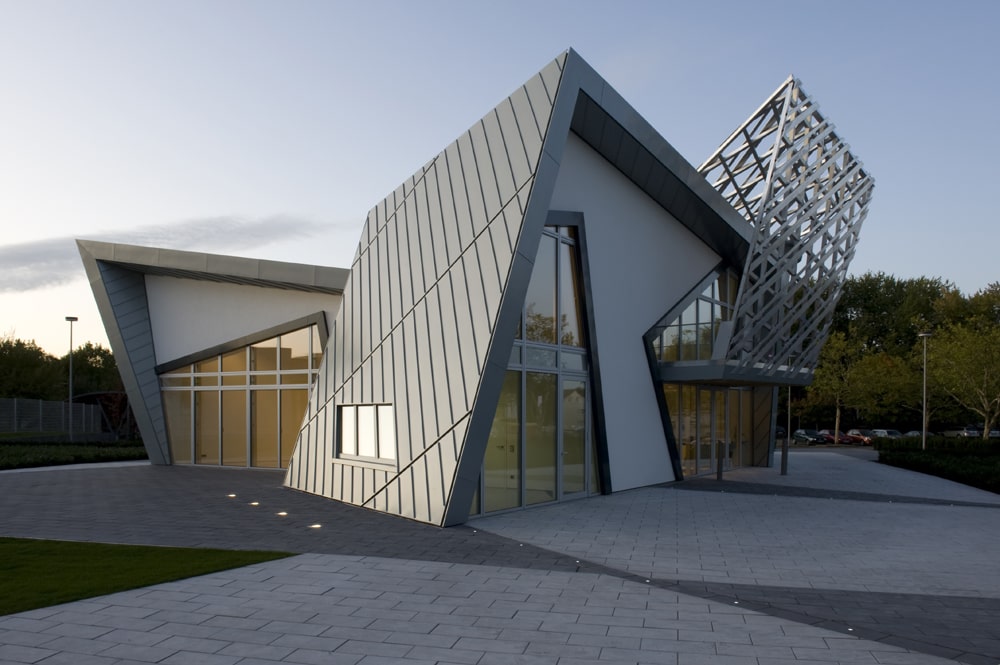
What sets zinc-titanium apart from most facade materials isn't just durability - it's how the material ages. Bare zinc reacts with oxygen and moisture in the air to form a thin, tightly-bonded protective layer called a patina, gradually shifting from bright metallic grey to a matte blue-grey tone over the first year or two of exposure. That patina isn't cosmetic decay - it's a self-forming protective barrier that shields the metal underneath from further corrosion, which is part of why zinc roofing and cladding can realistically last 80 to 100 years with minimal maintenance. If the surface gets scratched, the exposed zinc simply forms new patina over the damaged area, so minor surface damage tends to heal itself rather than leaving a permanent mark - something few other cladding materials can claim.
Zinc vs. Copper
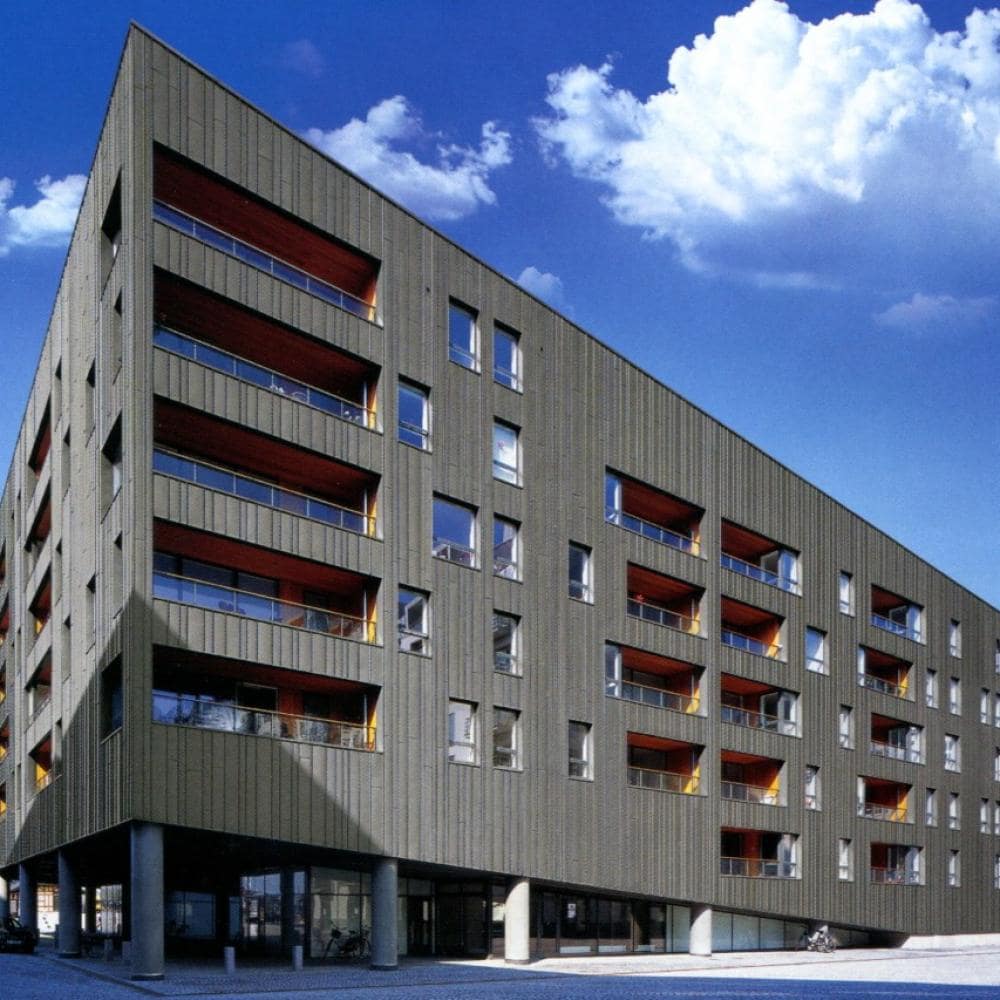
Zinc-titanium is often compared to copper, since both are metals architects choose specifically for how they weather over time rather than despite it. Copper develops its well-known green verdigris patina, but that process can take anywhere from 15 to several decades depending on climate and pollution exposure. Zinc's blue-grey patina forms far faster and more evenly, giving architects a more predictable finished appearance within a shorter, more reliable timeframe. Zinc is also generally lighter and less expensive than copper, while offering comparable longevity - which is why it's become the more common choice for large-scale facade and roofing work where copper's cost or weight would be harder to justify.
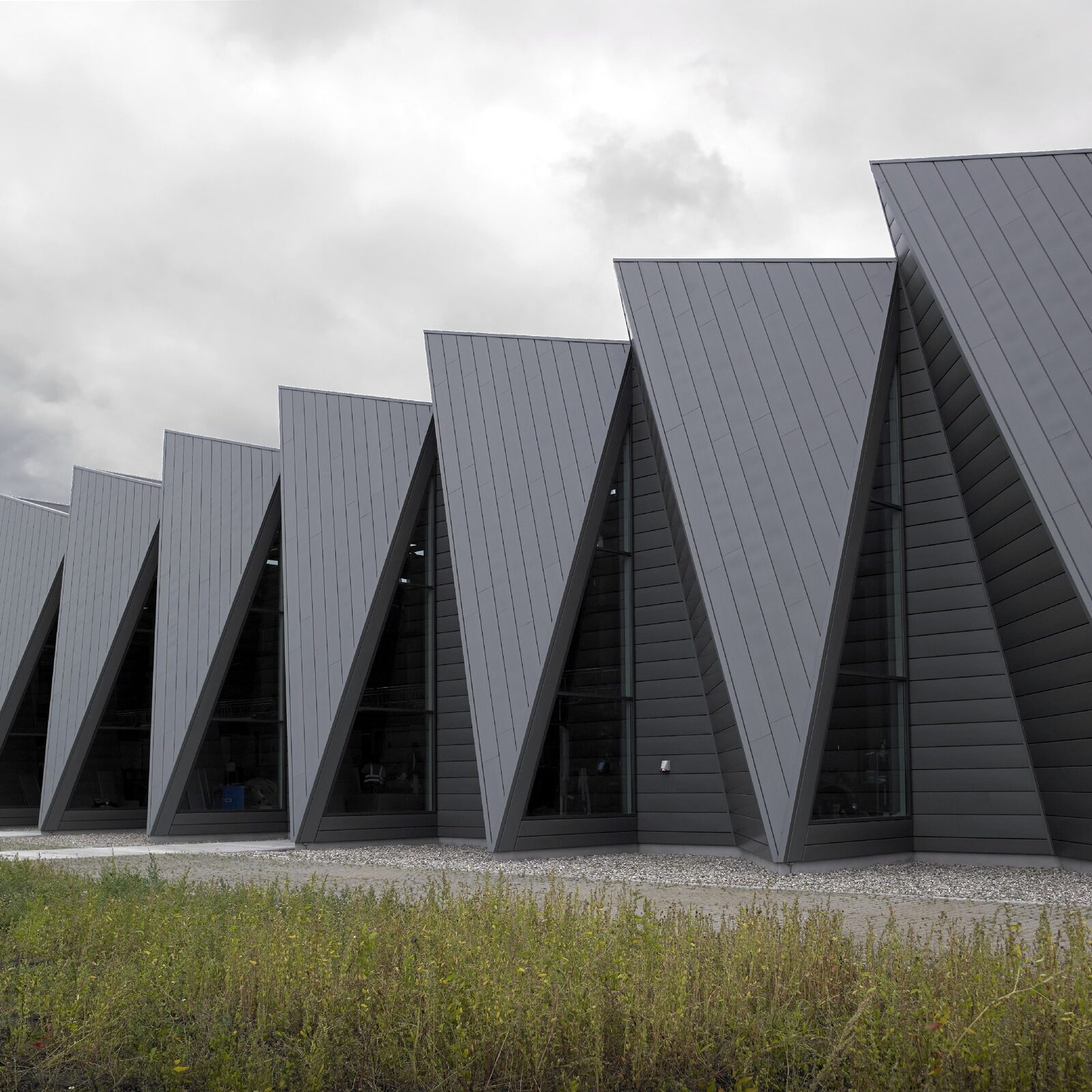
Built to Be Recycled
Zinc is one of the more genuinely sustainable metals used in construction. It's virtually infinitely recyclable without any meaningful loss of quality or performance - scrap zinc from demolition or offcuts can be melted down and reformed into new material indefinitely. Combined with its long service life, that makes zinc-titanium facades and roofs a material choice with a real environmental case behind it, not just a marketing one.
Our Take
As an architectural studio responsible for the materials we specify in our own projects, we vouch for this alloy's quality directly. We use zinc-titanium as both a facade system and as roofing on our material-selected projects, and after five years in service, our clients have had no complaints about the material. We recommend it to clients, architects, and designers looking for a facade or roofing material that genuinely improves with age rather than simply wearing down.
What to Get Right in the Design
- Ventilate the underside. Zinc needs a ventilated substrate; if condensation collects behind the sheets, white rust forms on the back. Roofs and walls are therefore designed with a ventilated cavity or a dedicated underlayment.
- Keep copper downstream. Runoff from copper attacks zinc, so copper elements should never sit above zinc.
- Allow for movement. Long panels expand and contract with temperature, so panel lengths and sliding clips are calculated in advance.
Zinc Roofs in the Pacific Northwest
Zinc suits Seattle's long wet seasons well: standing-seam zinc sheds rain efficiently, needs no painting, and zinc is the same metal used in the strips homeowners install to discourage moss on roofs. The keys are proper underside ventilation in a damp climate and careful detailing at gutters and penetrations. We specify it on our custom homes; for other options, see our article on choosing a roof for a private house.
FAQ
How long does a zinc roof last? Properly installed, 80 to 100 years with minimal maintenance.
Does zinc need painting? Usually not: manufacturers offer pre-weathered sheets in several shades of gray.