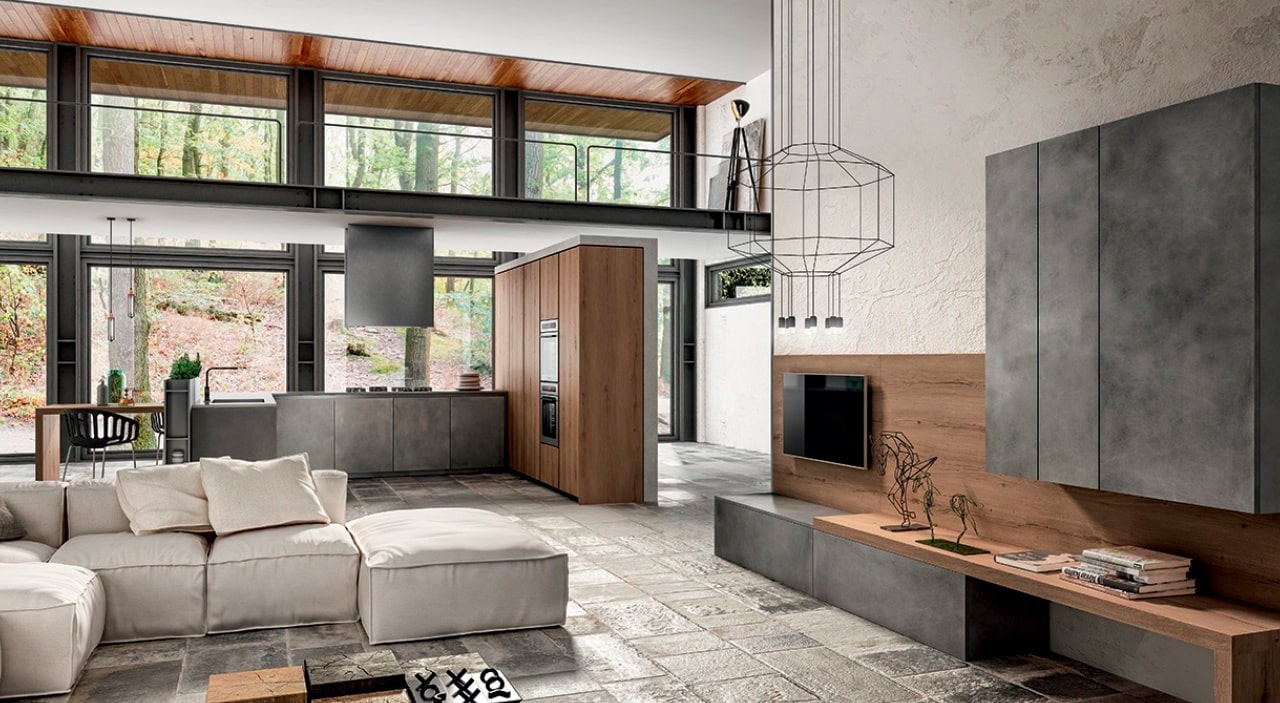
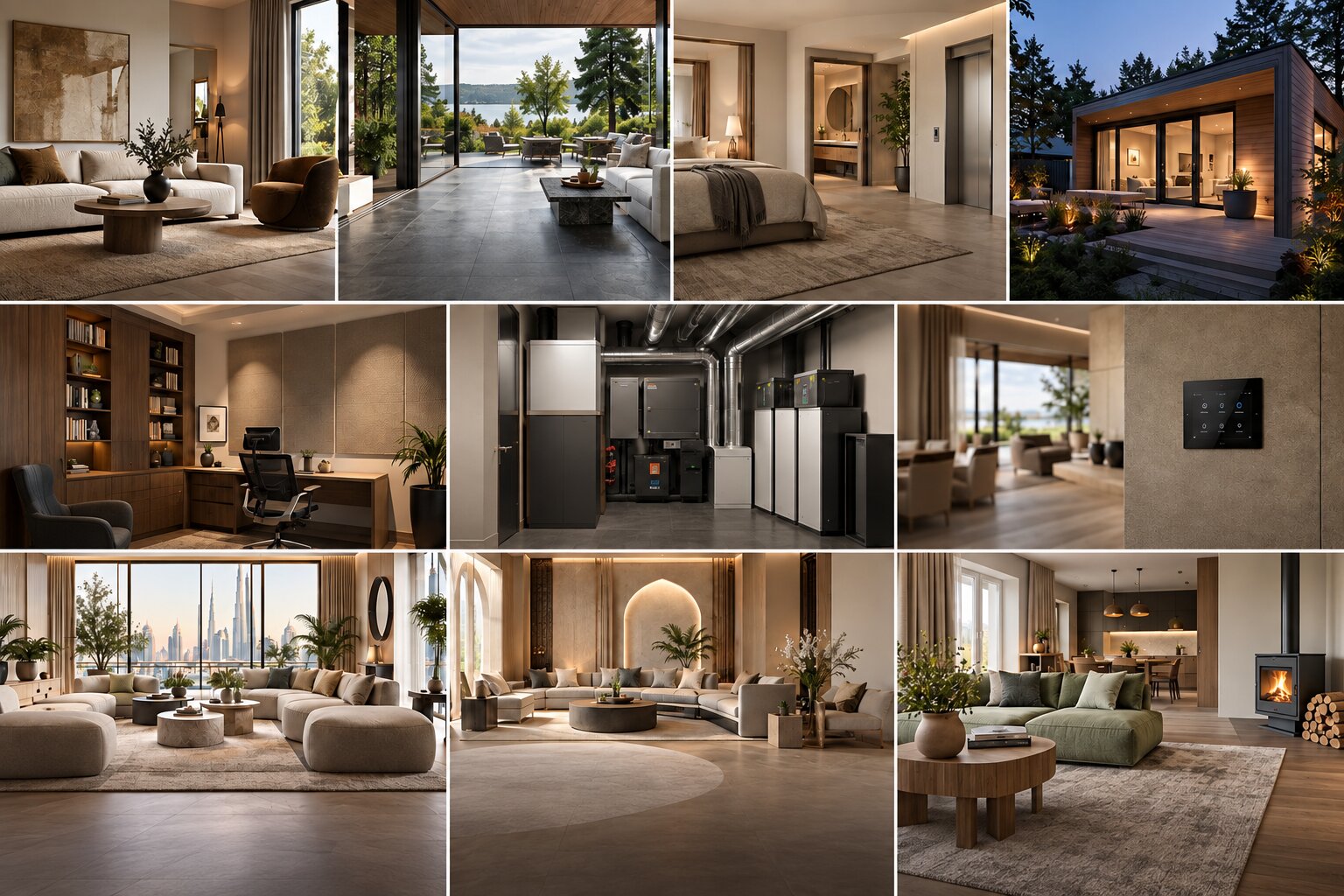
We wrote this piece at the start of 2022 as a forecast of interior design trends. A few years on, we can honestly check which of our calls became standard and which disappeared with the season. Below is the original 2022 trend overview, followed by a look back from 2026: what stuck, what changed, and what we'd actually bring into an interior today.
Vintage was one of the defining elements of interior design in 2022 - a good reason to think twice before tossing old furniture during a renovation. Some 2021 trends carried straight into 2022: minimalism and ergonomics, natural materials, and the geometric forms we'd already gotten used to, just in slightly evolved form. The broader cult of comfort and convenience kept growing.
Making Room for a Home Office
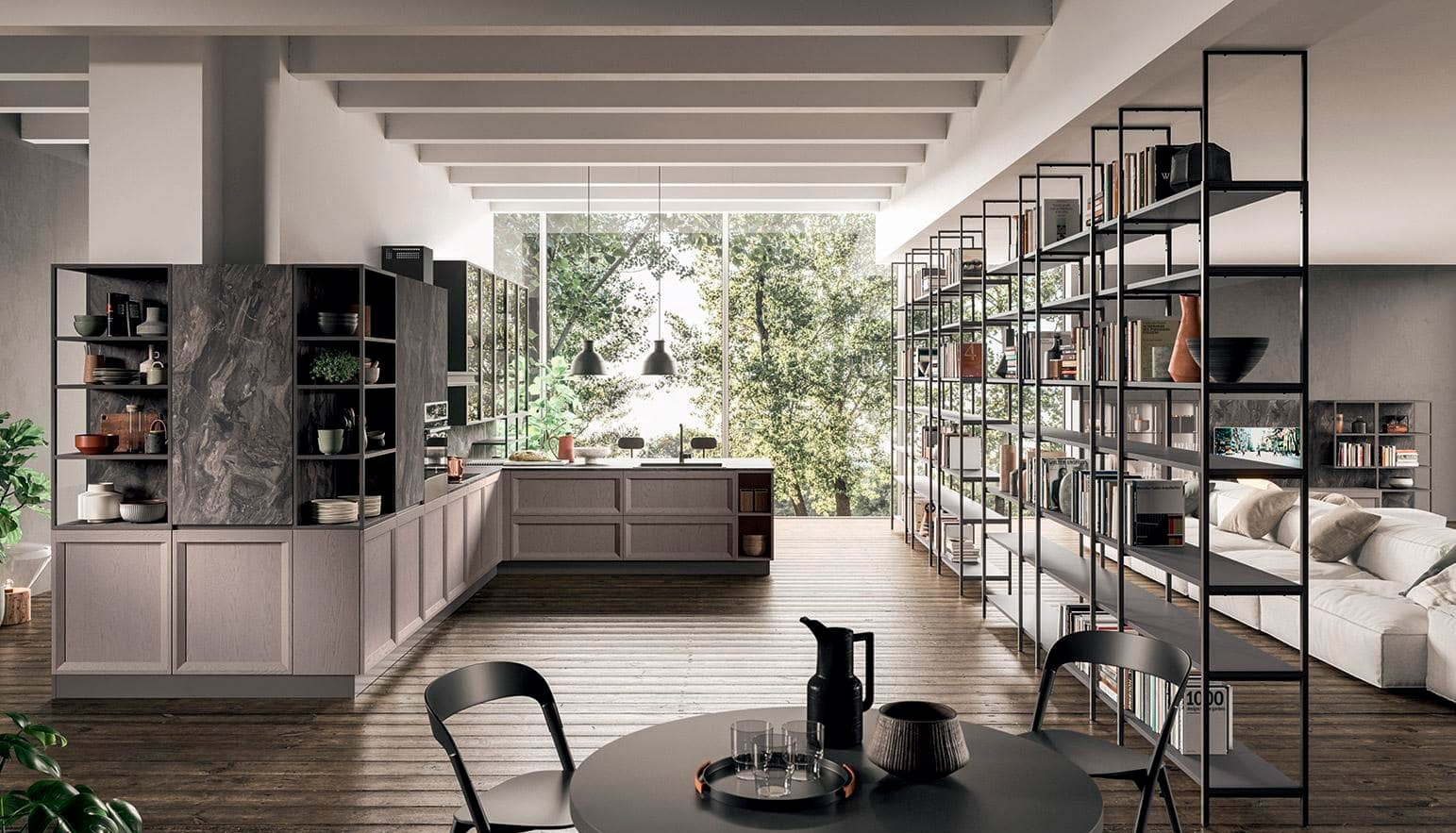
Based on the years before it, designers identified home offices as a priority - remote work was still very much the norm. A dedicated work zone, comfortable but compact, made the most sense, which is why we recommended transformable, multi-use furniture.
Room dividers were a good way to carve out that space while doubling as a decorative element, with natural materials working best. A mobile shelving unit also worked well for splitting off a work zone within a larger room, finished off with greenery or an interesting piece of wall art.
Form and Light
Geometric shapes stayed popular in 2022, with ovals and circles as the standout choices, replacing sharp angles with softer transitions. Various details signaled a return of 1970s-inspired retro touches - like the Double Loop mirror we wrote about separately.
Lighting in fashionable interiors leaned muted and natural - soft tones from understated fixtures. Large chandeliers had fallen out of favor, seen as taking up space and pulling too much attention, while track lighting and recessed point sources stayed on trend.
Color, Print and Material
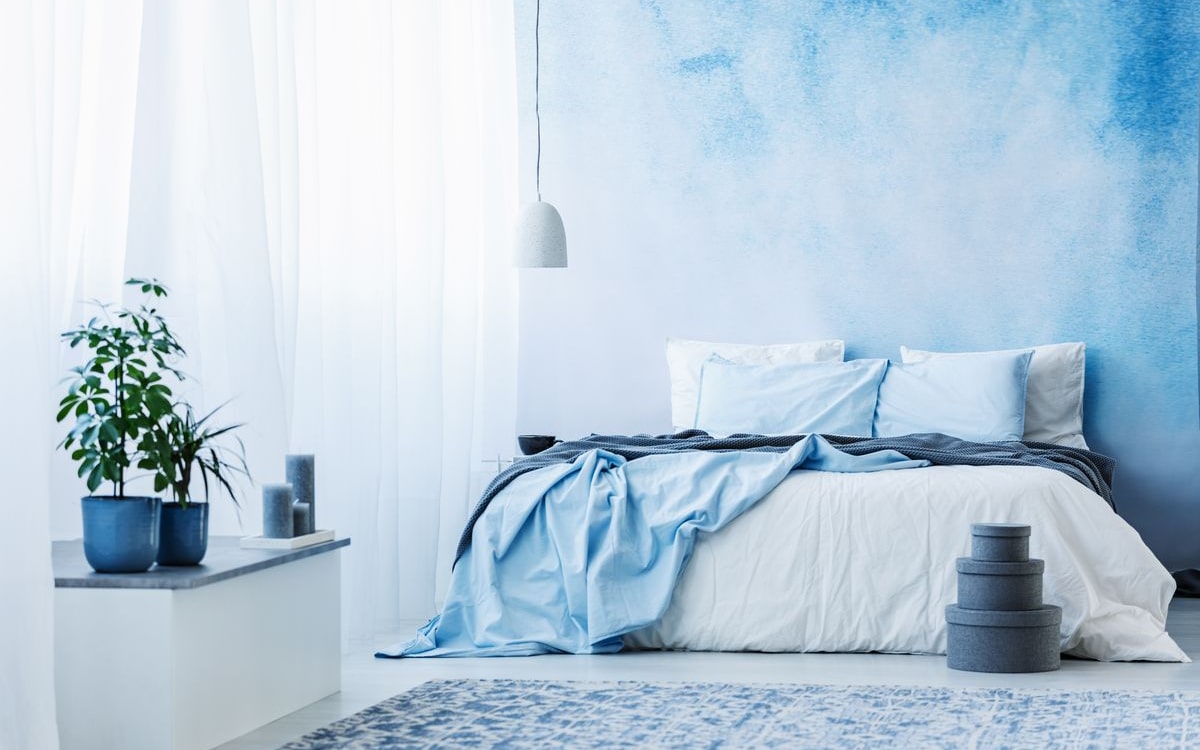
Pantone's forecast for 2022 called for bright, bold color - a range of neon tones made the trending list, with Very Peri, a pleasant blue with a violet-red undertone, as the color of the year. Our designers, for what it's worth, still favored muted tones - they're simply easier to build a cozy atmosphere around, and bright, busy colors tend to wear thin over time. Good design often works best where it barely announces itself; understated browns, grays and greens remained the interior designer's colors of choice.
Natural materials with unusual texture stayed central to our projects - wood, stone and glass remained popular, and mixing textures was a good way to freshen things up: textile paired with wood, embossed wallpaper in a living room or bedroom, matte tile in the bathroom or kitchen. Polka dot print emerged as a genuine trend that year too, used as an accent on furniture, walls and smaller decor pieces.
Furniture and Decor
If the overall approach to materials barely shifted that year, furniture changed considerably. Minimalism stayed the foundation, but the trend moved from sharp lines toward softer, rounder forms. Clean Scandinavian style gave way to Japandi - a blend of Scandinavian and Japanese sensibilities built around simplicity, restraint and intentionality. Japandi interiors leaned on textiles, wool, soft cushions and warm throws, the one rule being that everything had to feel natural rather than staged.
Boucle took over from the plush textures popular in 2021, with a worn, lived-in look becoming genuinely fashionable. Upcycling gained real traction - giving old furniture a second life. Pieces like this stay fully functional while carrying a bit of nostalgia; as with vintage furniture, the trick is finding something that fits your interior.
Minimal decor remained a marker of good taste, and conscious consumption stayed a defining value of the era. A newer idea that year was intentional pairing in decor - objects that echo each other in shape, color or texture, with large matched mirror pairs as the standout example.