
Back in 2021, the story was comfort and tradition making a comeback after years of stark minimalism: softer furniture, bolder wall color, lighter wood tones, a "grandmillennial" mix of modern layouts with grandmother's-house decor, and an early return of 1980s-style angular forms and Art Deco-adjacent detailing. Five years on, some of that held, some of it didn't, and a few genuinely new directions have taken over. Here's where things actually stand heading into 2026.
What Carried Over
The comfort-and-tradition instinct from 2021 didn't fade - if anything, it deepened. Rounder furniture silhouettes and traditional profiles are now the default rather than the exception. Bold wall color held too, though it's evolved: instead of a single confident accent wall, full rooms in saturated, considered color are increasingly normal, especially in dining rooms and studies.
Natural Materials Have Taken Over
This is the real story of 2026. Sustainability and a genuine connection to nature are now driving material choices more than any single color or furniture trend. Natural wood, earthy palettes, and tactile, unpolished surfaces have replaced the flat, uniform finishes that defined the last decade. It's less a strict style and more a shift toward materials that actually feel grounded to live with, day to day.
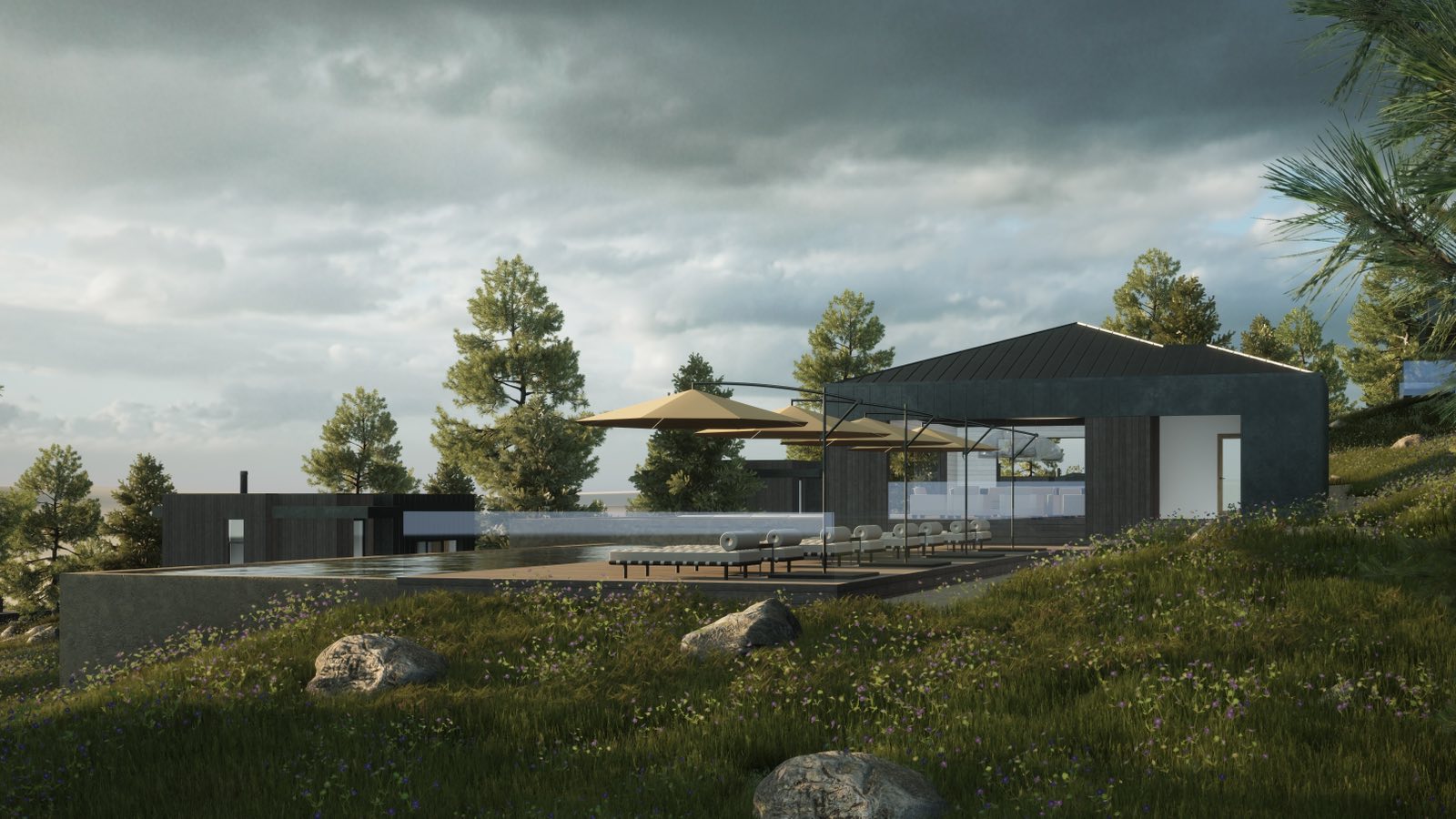
Our Carpathian Mountains cottage settlement leaned into exactly this - timber, stone, and a palette pulled straight from the surrounding landscape, well before "earthy materials" became an industry-wide talking point.
Modern Heritage Replaces Grandmillennial
The 2021 "grandmillennial" mashup - modern layouts styled with grandmother's-house pieces - has matured into something more architectural. Designers are calling it Modern Heritage: classic millwork, traditional moldings, and historical silhouettes, reworked with a contemporary hand. It's the same instinct as grandmillennial style, just applied to the bones of a room rather than the decor sitting on top of it. Architectural detail is back, without the formality that used to come attached to it.
Pattern and Softness Are Fully Back
The 1980s-adjacent, angular energy that was just starting to surface in 2021 has given way to something softer: florals, printed fabric, pleated and ruffled upholstery, and wallpaper are all having a real moment in 2026. After years of clean lines and neutral everything, rooms are being allowed to feel personal and a little imperfect again, rather than styled purely for a photograph.
Maximalism and Vintage Have Overtaken Minimalism - For Now
This is the biggest reversal since 2021. According to this year's 1stDibs designer survey, maximalism and eclecticism are now outpacing minimalism among working designers, with vintage and antique furniture leading the sourcing shift - driven as much by craftsmanship and character as by sustainability.

That doesn't mean minimalism is dead - restraint still has its place, and our Minimalist Style project shows how well it can still work when the layout and materials are handled with enough precision. The two approaches aren't really opposites; they're different answers to the same question: what does this specific space actually need?
Scanditalia: A New Middle Ground
One trend that didn't exist in any real form back in 2021: the blend of Scandinavian restraint with Italian expressiveness that's now being called Scanditalia - calm forms and light wood, paired with richer materials and a bit more personality than strict Scandinavian design usually allows.
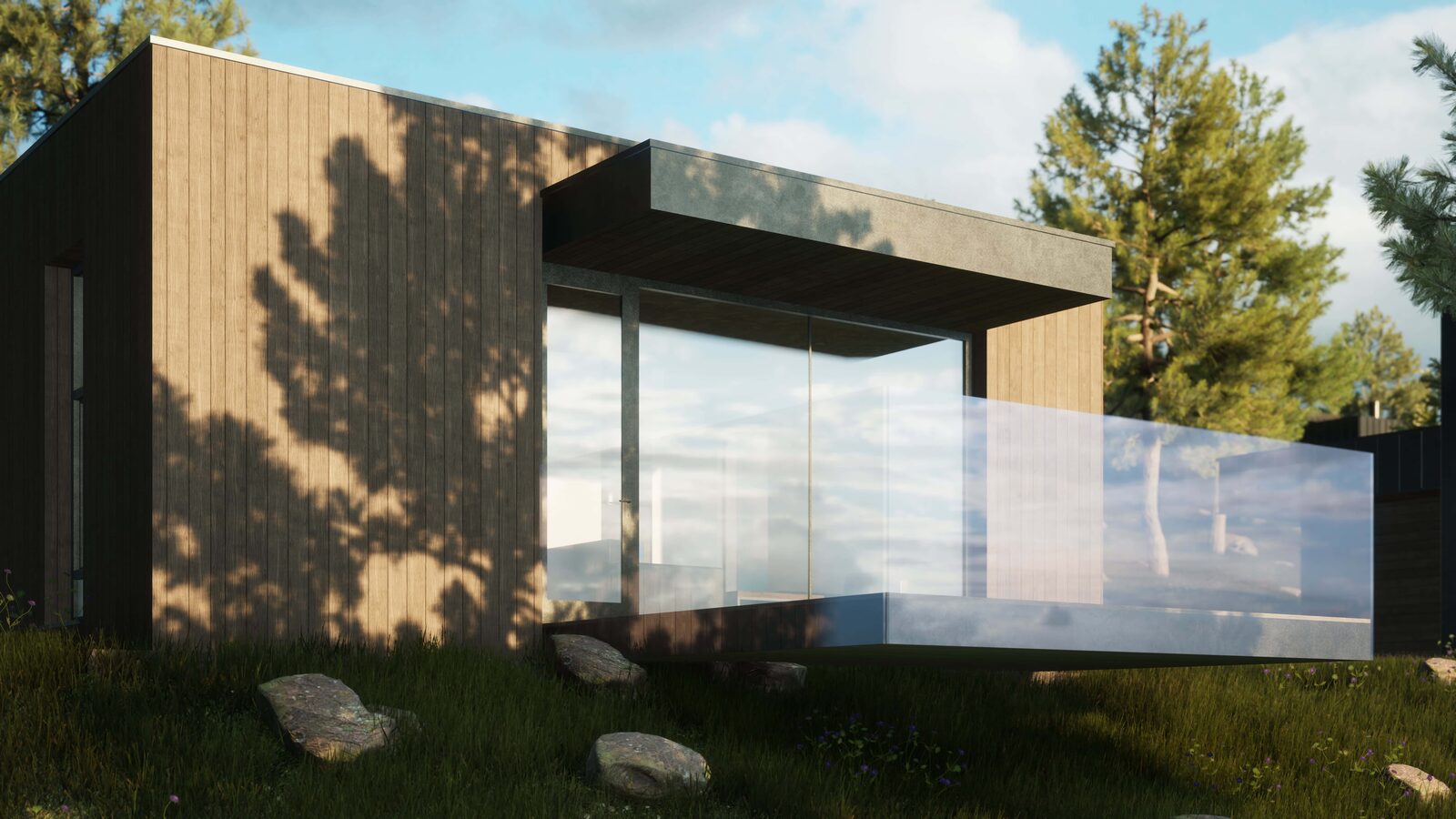
Our One-Bedroom Minimalism House in the Carpathians sits right in this space, and it's the same instinct behind our piece on Japandi design, which blends a similar calm with warmth from a different direction.
What This Means for Your Project
None of this requires starting over. Swapping in natural materials, adding one considered vintage piece, or reworking trim and millwork can shift a space significantly without a full renovation. If you're planning something bigger, our take on minimalism in the interior and our overview of modern luxury interior design are both useful starting points for figuring out how restrained - or how maximalist - you actually want to go before layering any of these 2026 trends on top.
2026 Trends in Seattle Homes
Around Seattle, the 2026 shift toward natural materials and warmth fits the climate almost perfectly. Long gray months make warm wood, textured plaster, wool, and layered lighting feel essential rather than decorative, and the region's craft furniture makers and vintage dealers make it easy to add pieces with a story. Modern Heritage suits the city's many early twentieth-century Craftsman and Tudor homes, where original millwork can be restored and paired with contemporary kitchens and baths rather than stripped out. See our interior design service and our look back at 2023 interior trends.


