
Bauhaus (German for "building house") traces its history back to Germany. It's a direct reflection of the country's well-known practicality, and its defining trait is simplicity.
History
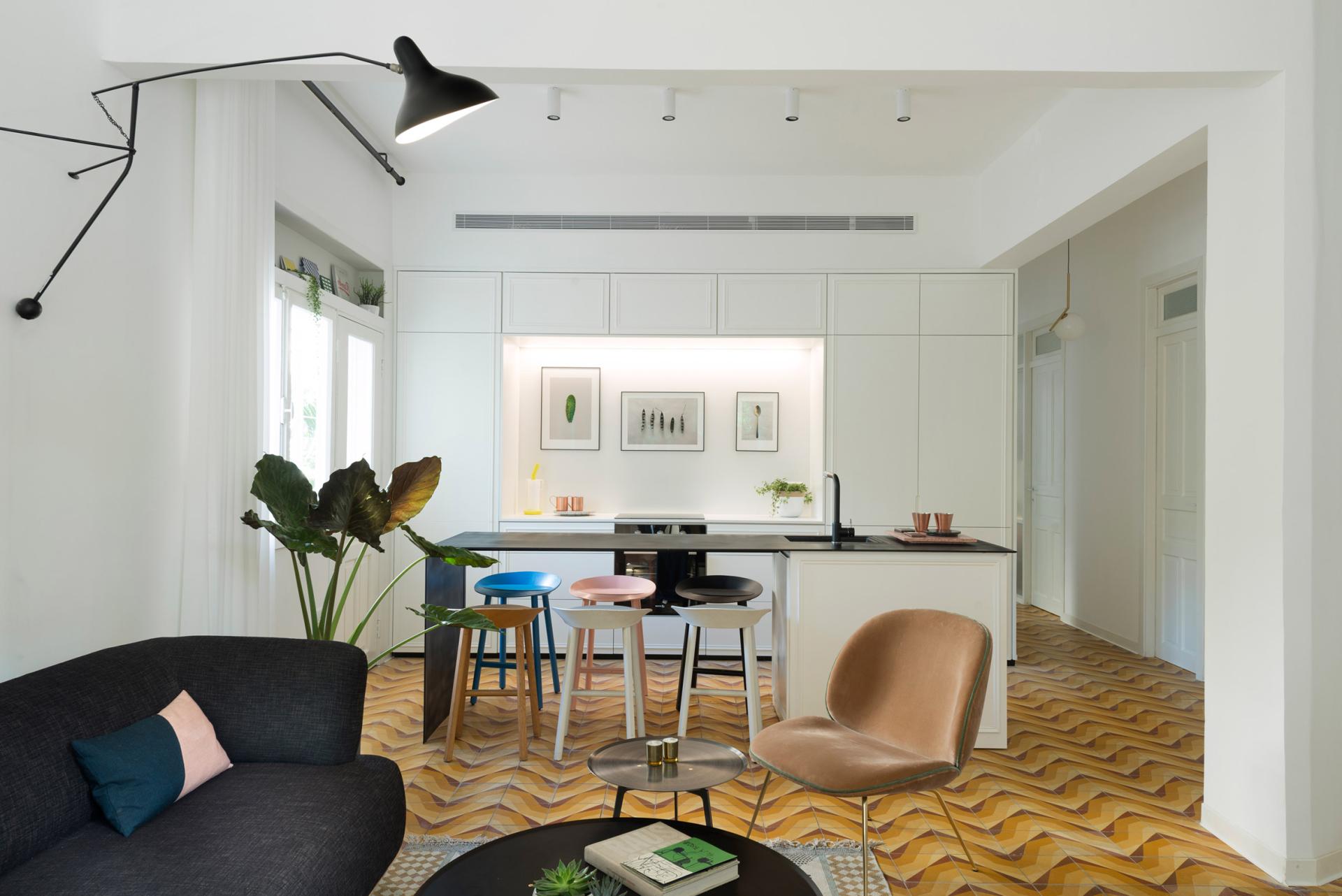
Looking at its history, 1919 is generally considered the year the style was founded. That year the architect Walter Gropius founded the Bauhaus school in Weimar by merging the Grand-Ducal Saxon School of Arts and Crafts with the Academy of Fine Arts, and became the first to argue consistently for uniting industrial production with clean, aesthetic form. This young, talented architect, newly installed in a senior post in Weimar, demonstrated exactly how practical the style could be. Bauhaus was quickly labeled a symbol of industry, and its principles spread into interior design soon after.
Core Traits
Bauhaus's founder identified three defining traits of the style, ones that echo forward into modern minimalism:
- Functionality
- Simplicity
- Aestheticism
Designers of the era paid close attention to industrial production. Their goal was to apply streamlined manufacturing to genuinely beautiful objects, built around emerging technology and modern materials.
In simpler terms, Bauhaus is large-scale production of beautiful, well-made things - objects where appearance and practicality work together, with straightforward everyday comfort built in.
Bauhaus is credited with bringing real design sensibility into the homes of ordinary German households for the first time.
Bauhaus is genuinely hard to mistake for anything else. Clean, straight lines, flat planes, simple geometric forms. Nothing extra shows up in a Bauhaus interior - every element earns its place by being functional.
Metal furniture is a defining Bauhaus signature. Despite metal's inherently cold character, in this style it reads as warm and comfortable. Beyond that, industrial materials - a nod to the era's rise of industrialization - are deliberately paired with natural ones: warm brown wood, leather, gray stone, and glossy glass.
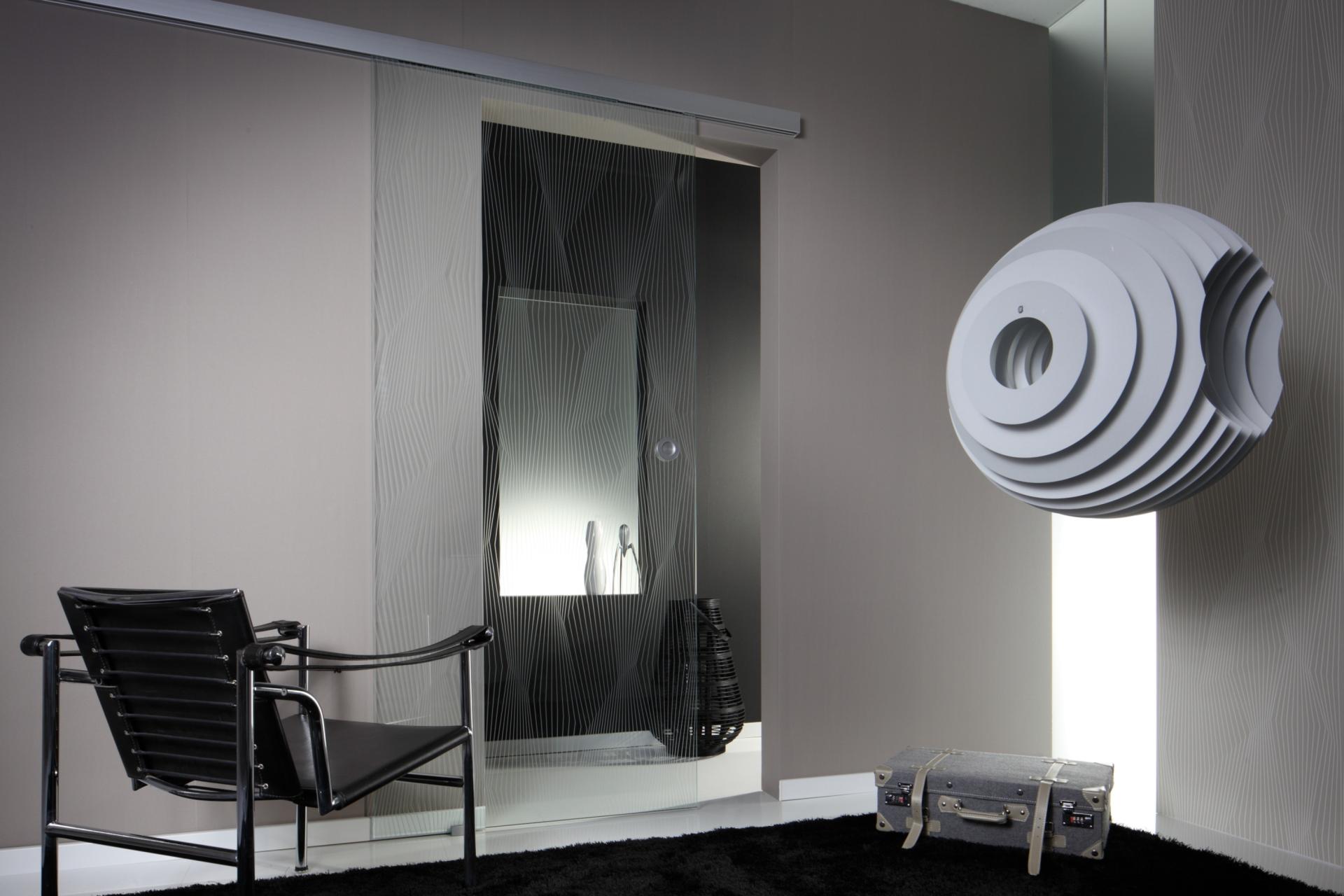
Looking at Bauhaus furniture as a whole, expect coarse fabrics, leather inlays, metal, and steel tubing. Upholstered pieces lean toward strict, minimal forms - armrests are typically absent. Built-in furniture, like a sliding-door wardrobe, follows the same restrained language as everything around it. Paradoxically, that strictness is exactly what gives Bauhaus interiors their sense of comfort.
Decor has a place in Bauhaus too - as long as it's functionally part of the overall concept.
Building a Bauhaus interior comes down to balancing cold and warm. A common approach: pair light-toned stone and plaster with calm, warm wood, and offset metal and glass with leather and textiles. That balancing act - bringing opposite materials into agreement - is really the whole secret of the style.
Core Principles
- Open space. This principle is a reminder that people don't live surrounded by useless objects and furniture - they live surrounded by tools that actually help them. Every element in the interior needs a clear purpose. Everything else stays open.
- Less decoration. Don't clutter the interior with unnecessary objects. Save ornament and pattern for other styles - Bauhaus favors natural decoration instead. The texture of the natural materials already in the room does the decorative work on its own.
- Simple shapes. Squares, rectangles, circles - these fit naturally into the overall Bauhaus picture.
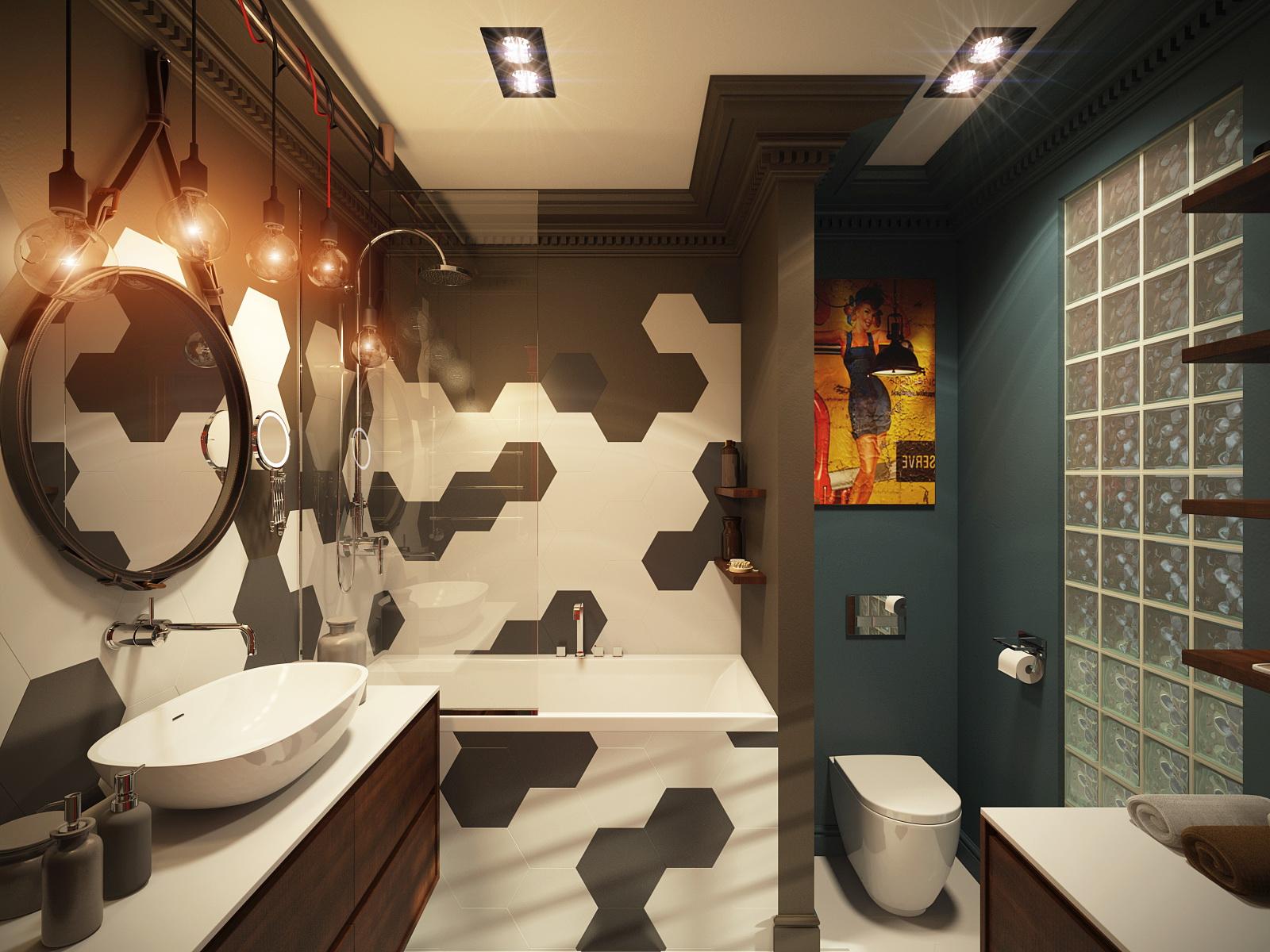
This style suits people who don't do well with fussiness or clutter - it's built for anyone practical, open, and unafraid of open space.
From Weimar to the World
The school lasted only 14 years, yet it reshaped twentieth-century design. In 1925 the Bauhaus moved to Dessau, into a building designed by Gropius himself that is now a UNESCO World Heritage site. Its teachers included Wassily Kandinsky and Paul Klee, and Marcel Breuer developed his tubular steel furniture there, which became a symbol of the style. Ludwig Mies van der Rohe was its last director; the school moved to Berlin in 1932 and closed in 1933 under Nazi pressure. Its teachers and students emigrated, carrying Bauhaus ideas around the world, from American universities to the "White City" of Tel Aviv.
Bauhaus in a Contemporary Home
- Honest materials: metal, glass, wood, leather, and concrete, with no imitations.
- Primary colors as accents: red, blue, and yellow against neutral backgrounds, used sparingly.
- Classic furniture: tubular steel chairs, simple tables, modular shelving.
- Open plans with built-in storage, so the space stays free.
In Pacific Northwest homes, the Bauhaus palette of steel and glass benefits from warm wood and good lighting to stay inviting through the gray months. The style is a close relative of minimalism and constructivism, and its furniture thinking continued with Charles and Ray Eames. We can design a Bauhaus-inspired interior through our interior design service.
FAQ
What does Bauhaus mean? It is German for "building house", from Bau (building) and Haus (house).
How is Bauhaus different from minimalism? Bauhaus is a historic school and 1920s style built on industrial materials and geometry; minimalism grew out of it later and reduces objects and colors even further.


