
Today we look at a budget way to build a "smart home." For a broader view of smart control beyond Xiaomi, see our overview of JUNG switches and systems and our article on what a genuinely smart interior looks like in practice. We first wrote this review in 2020 and updated it in 2026 with what has changed since and what to know if you're planning a system like this today.
Who Xiaomi Are
Xiaomi was founded in April 2010 and became a global name in barely a decade. At the end of 2017 it became the top smartphone brand in India for the first time, overtaking Samsung, and in the second quarter of 2021, according to the analyst firm Canalys, it rose to number two worldwide in smartphone shipments for the first time, ahead of Apple.
Most people know Xiaomi for well-priced smartphones and tablets, but that's far from the whole catalog. The company also makes power banks and batteries, e-scooters, hoverboards and e-bikes, interactive toys, smartwatches, and countless household items, from electric toothbrushes to "smart" mugs. One of its most interesting lines is the smart home. The name is a bit generous, since it's really a collection of smart devices rather than a fully engineered building system, but for the price it's remarkably capable.
Smart home is part of the overall design project. Smart systems work best when they're planned into the interior design project from the start rather than added on top of a finished renovation; that's how wiring, switches, and lighting scenes end up exactly where they're needed.
How the System Works
Ray Bradbury imagined the smart home back in 1950 in his story "There Will Come Soft Rains," in which an automated house carries on its routine by itself. Today that fantasy is real: a smart home manages climate, lighting, and security, and one of its main jobs is saving energy and cutting down on everyday chores.
Xiaomi's system is built around a central gateway and wireless sensors that talk to it over the Zigbee protocol. Everything is controlled from a smartphone app, from anywhere with an internet connection. A big advantage is that you can buy the system in stages: start with a basic kit and add sensors as you need them. The more sensors you have, the more automations the house can run.
Lighting
Lighting can be controlled in several ways. Aqara wireless and in-wall switches let you turn lights on and off in any room from your phone, on a schedule, or as part of a scene, and compatible bulbs can change brightness and color temperature to suit the mood.

Temperature and Humidity
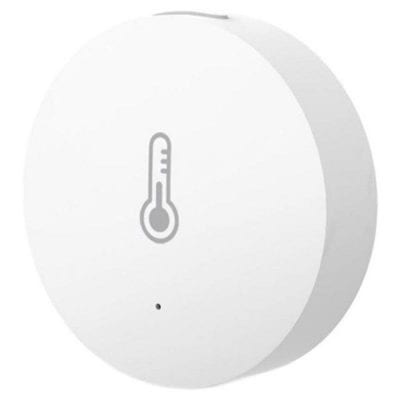
The Mijia temperature and humidity sensor is a small disc a few centimeters across, weighing about 10 grams, that sticks to any surface. According to the manufacturer, it's accurate to about 0.3°C (roughly half a degree Fahrenheit) and 3% relative humidity. When readings move outside the limits you set, it sends an alert, and the gateway can switch a smart plug to run a heater, fan, or dehumidifier.
Air Quality
Air pollution is a serious problem in many cities. In the Pacific Northwest the biggest threat now comes from wildfire smoke: in September 2020, smoke from fires across the West gave Seattle some of the worst air quality in the world for several days, and smoky summer days have become a recurring concern. A detector like the SmartMi PM2.5 shows the concentration of fine particles with a simple three-color indicator - green for clean air, orange and red when levels are elevated - so you know when to close the windows and run an air purifier. It runs for a few hours on its battery and can be carried from room to room.

Motion Sensor
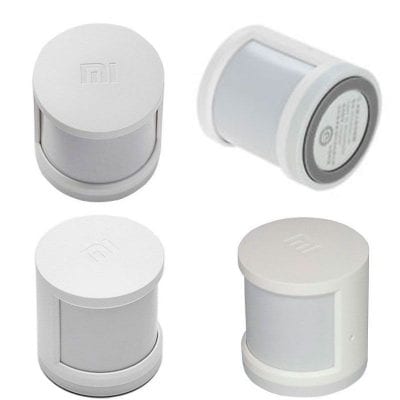
Motion sensing is one of the foundations of a smart home. The Mijia motion sensor is a small cylinder with an infrared sensor and lens, a range of about 7 meters (23 feet), and a field of view of up to 170 degrees. Simply set it on a shelf or stick it to a surface, and use several for a large room. It turns the lights on when you walk in, off when a room is empty, and can alert you if someone enters while you're away.
Plant Care
For plant lovers there's the Flower Care sensor (Huahuacaocao), which measures light, temperature, soil moisture, and fertility and offers care tips. Just push it into the soil and install the app. Xiaomi's smart flower pot goes further, monitoring soil and light and signaling with a colored light when the plant needs something. For choosing the plants themselves, see our article on indoor plants.

Sleep Sensor
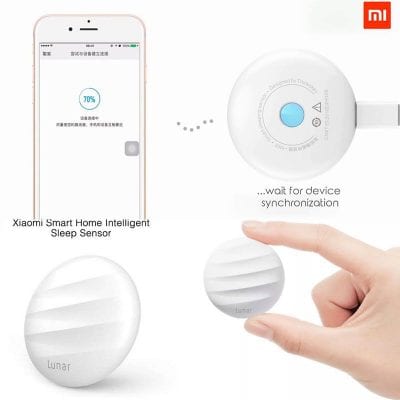
The Lunar sleep sensor goes under your pillow, tracks sleep quality, and can play soothing sounds to help you fall asleep. A charge lasts a few days.
Door and Window Sensors
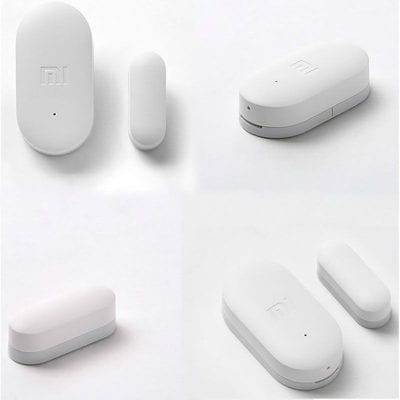
For security, door and window sensors such as the Mijia Door and Window Sensor are a must. They work on a magnetic contact: if a door or window opens, the system sends a notification or sounds an alarm.
Gas and Smoke Detectors
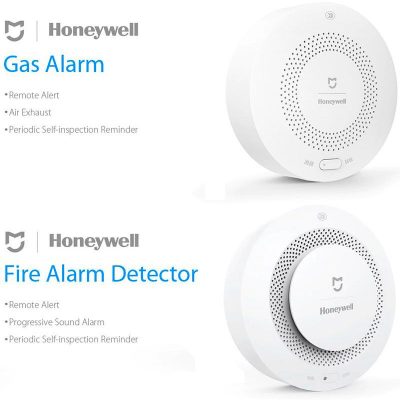
The Mijia Honeywell gas detector senses a natural-gas leak and reports it through the gateway, and the Mijia Honeywell smoke detector reacts to even small amounts of smoke. If you have a gas range, gas furnace, or gas water heater, these devices are well worth having; in the US, they supplement rather than replace the hard-wired smoke and carbon monoxide alarms that building codes require.
Water Leak Sensor
The Aqara water leak sensor guards against leaks. As soon as water reaches it, it sounds an alarm and sends a notification to your phone. Place one by the washing machine, the water heater, under sinks, and near any hydronic floor heating manifold.

The Central Gateway
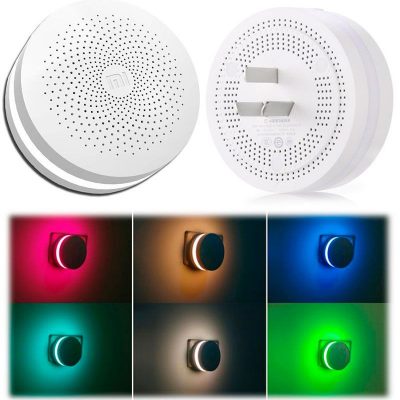
The Mi Smart Home Gateway is the heart of the system: it ties all the devices together and connects them to your phone. Some local automations keep working even when the internet is unstable. With its built-in light sensor, the gateway can double as a night light with adjustable color, as well as an alarm clock and internet radio.
Smart Plugs
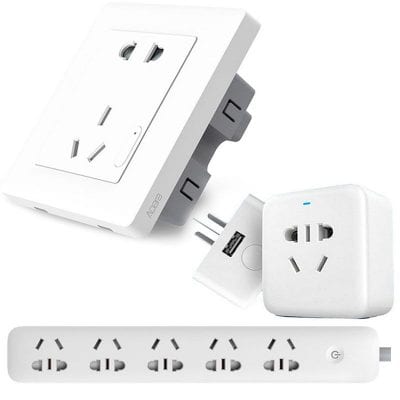
Xiaomi smart plugs let you control any appliance and stop worrying about whether you left the iron on. You can set timers and cut power remotely. The model reviewed here was designed for European-style outlets, rated up to 250 V and 2.2 kW. At the time of writing, the system's switches cost less than a regular designer switch from a well-known German or French brand.
Smart Curtains
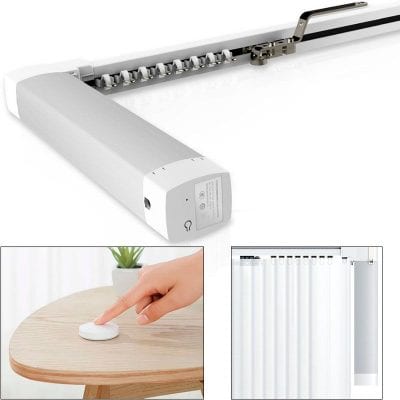
The Aqara curtain motor opens and closes curtains remotely or on a schedule, for example a few minutes before you wake up.
Universal Remote
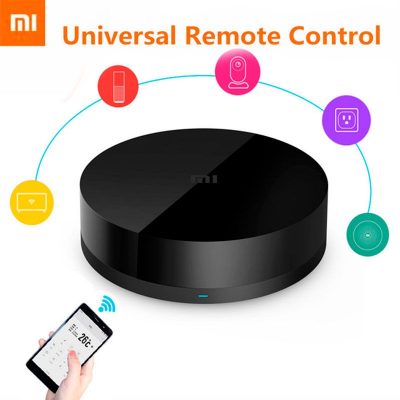
To avoid juggling a pile of remotes, there's the Mi Smart Home Universal Remote Controller. It works as an infrared blaster, so a TV, air conditioner, or other device with an IR remote can be controlled from your phone. It's a compact puck about 10 cm (4 inches) across.
How to Plan a Budget Smart Home
- Start with tasks, not gadgets. Write down what you actually want the house to do: light the hallway at night, warn you about leaks, run the heat pump on a schedule, tell you a window was left open.
- Pick one hub, ideally with Matter support, and build around it, so you don't end up juggling five different apps on your phone.
- Cover household safety first. Leak, smoke, and gas sensors pay for themselves fastest, because they prevent the most expensive accidents.
- Then add comfort: switches, motion sensors, shades, and lighting scenes. In-wall smart switches usually need a neutral wire in the switch box, which older houses don't always have, so check before you buy or plan the wiring during a remodel.
- Keep the network strong. Zigbee and Thread devices form a mesh through mains-powered devices like plugs and switches; place a few of those strategically and your battery sensors will stay connected.
- Document the system: where each sensor is, what each automation does, and which batteries it uses. You'll be glad you did a year later, when batteries start running low and you've forgotten where that leak sensor went.
An Honest Look at the Limits
Xiaomi's system is a good budget choice, but it isn't a professional security system. Professionally monitored alarm systems are certified to security standards, use backup communication channels and anti-jamming protection, and connect to a monitoring center. For protecting a home, we recommend a professional system and using Xiaomi for comfort: lighting, climate, scenes, and household sensors.
What Has Changed by 2026
- Aqara has grown into its own brand with its own hubs and a wide range, and many devices once sold as part of the Xiaomi smart home now carry the Aqara name.
- The Matter standard, launched in 2022, lets devices from different brands work together. Newer Aqara and Xiaomi hubs support Matter, so you no longer have to build everything inside one ecosystem.
- Older 2020 gateways are being phased out, but Zigbee sensors can usually be paired with a newer hub.
- Server region in the app matters: some devices only work in certain regions, so check compatibility before you buy.
A Budget Smart Home in the United States
One practical note for US readers: many of Xiaomi's own Mijia smart home devices have never been officially sold in the United States, and some don't fit US outlets or US app regions. Aqara, however, is sold widely in the US, and its hubs work with Apple Home, Google Home, Amazon Alexa, and Matter. In a Seattle-area house, the most useful budget automations are humidity and leak sensors in bathrooms, laundry rooms, and crawlspaces, where the damp climate can let a small leak turn into mold unnoticed, plus smart thermostats and heat-pump scheduling. Utilities in the region have also offered rebates on smart thermostats, so check current programs.
All in all, a Xiaomi or Aqara smart home helps with many everyday tasks, above all safety and energy saving. DeZZign recommends it when the budget is limited and you don't need the full capability of a professional system. The ecosystem keeps expanding, with air conditioners, robot vacuums, washing machines, and more.
Frequently Asked Questions
Can Xiaomi work with other systems? Yes, through Matter or integrations with Apple Home, Google Home, and Home Assistant, but check compatibility for each device.
Does the system work without internet? Partly: local automations on the gateway keep running, but remote control and notifications need a connection.
Can it replace a security system? No. Choose a certified, monitored system for security and use Xiaomi or Aqara for comfort.
This article is for informational purposes only.

