When we discuss a new home, residence, apartment, or office with a client, the question of a smart home comes up again and again. So here is a short guide to what it is and how it works.
A smart home, or home automation system, is a network of devices and sensors that take care of everyday tasks so you can focus on more important and creative things. With the pace of city life, such a system can be tailored to each household: every family member or office user with access can set up their own scenarios and choose sensors for specific tasks.
What a Smart Home Usually Does
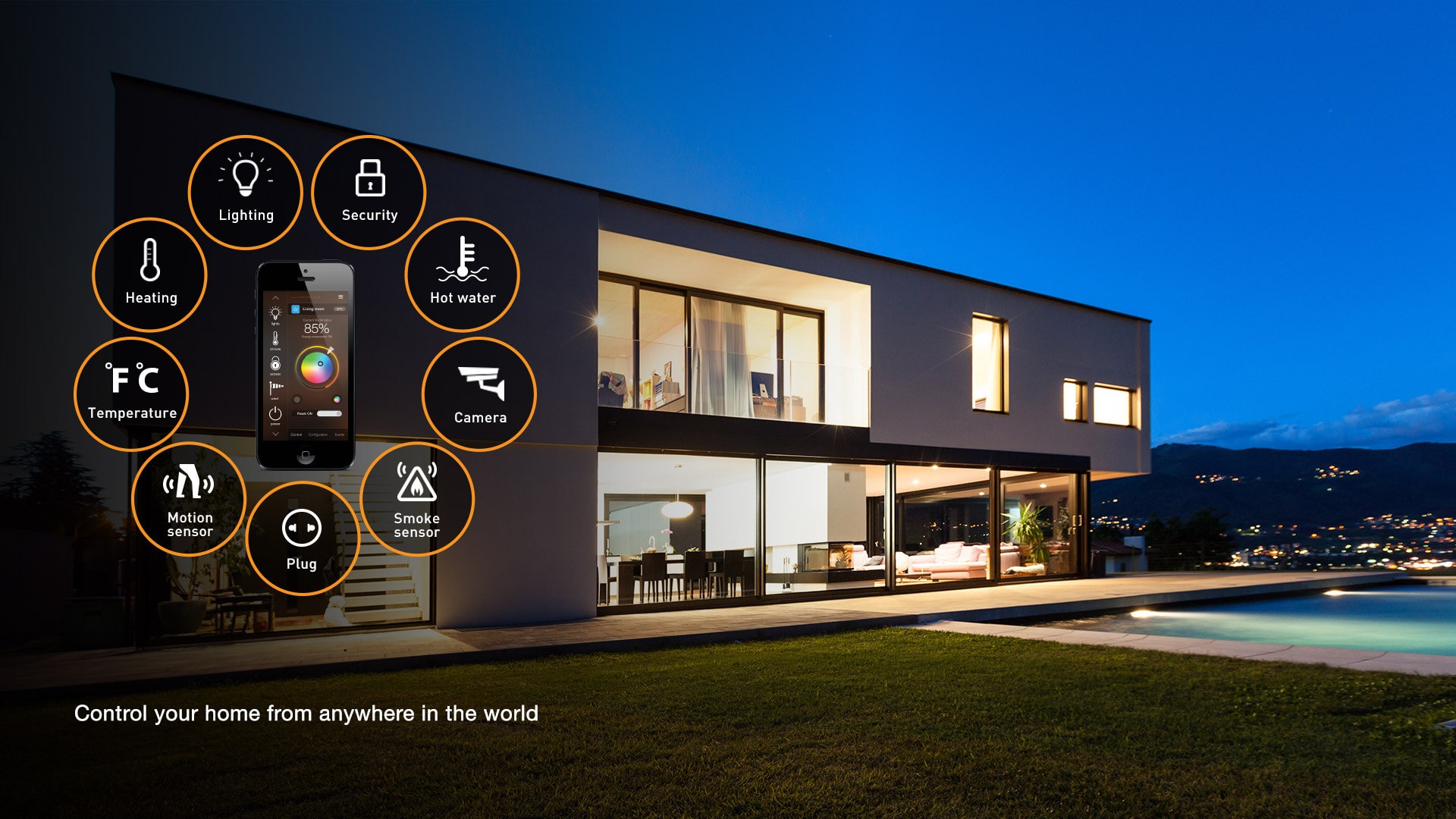
- turns lights on and off automatically;
- runs the alarm, monitors the house, and sends alerts about intrusions;
- lets you adjust heating and air conditioning remotely;
- connects internet-enabled devices so they work together;
- coordinates sensors that detect water leaks in floors, radiators, or pipes, or smoke and fire.
How It Is Built
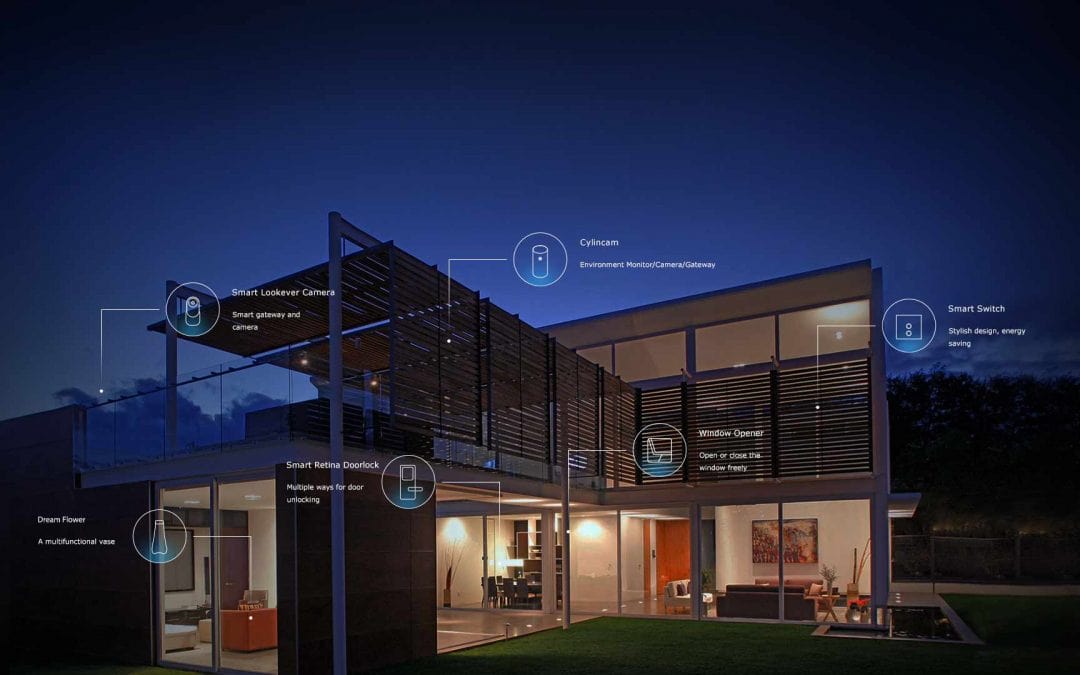
A smart home rests on three types of devices. The hub or controller is the "brain": it ties all the elements together and connects the system to you wherever you are. Sensors collect information about the environment. Actuators carry out commands - outlets, valves, controllers, sirens, switches, cameras, and so on.
Devices talk to each other over wired buses or radio protocols such as Wi-Fi, Bluetooth, Zigbee, Z-Wave, and Thread, and the system reaches you over the internet. The two main challenges are security and fragmentation. Security matters for any connected home: use strong, unique passwords, keep firmware updated, and choose devices with modern encryption. Fragmentation has been the bigger headache: for years each manufacturer built its own hubs, sensors, and apps, and many did not work with each other. The Matter standard, introduced in 2022 and backed by the major platforms, was created to fix exactly that.
Wired or Wireless?
Wired systems such as KNX are the most reliable and last for decades, but they need to be planned during construction or a major remodel. Wireless systems are cheaper and suit finished homes, but depend on network quality and sensor batteries.
Scenarios Our Clients Actually Use
- "Leaving home": one button turns off lights and nonessential outlets, lowers the heating, closes motorized shades, and arms the alarm.
- "Good night": exterior and hallway lights dim, bedroom blinds close, and a low path light guides you to the bathroom.
- Leak protection: a water sensor under the sink or washing machine closes the main valve and sends an alert before the floor is damaged.
- Away mode: lights switch on and off on a varied schedule so the house looks lived in.
- Energy: heating, cooling, and water heating follow the household's schedule and the time-of-use electricity rate, and solar production and battery charging are monitored in one app.
What It Costs
A few smart plugs, bulbs, and sensors on a wireless hub cost little and can be installed in an afternoon. A whole-home wired system with lighting control, shading, climate, security, and audio is a serious investment, comparable to other major building systems, and it pays off only if it is designed with the house rather than bolted on afterward. That is why we recommend deciding on the level of automation at the concept stage, even if some functions are added later: conduit and spare cabling are cheap during construction and expensive after the walls are closed.
Why Plan It Early
The practical consequence is that a smart home has to be designed and budgeted in advance, with a clear idea of which functions you really need, so you don't overpay for features you'll never use; a full system is not cheap. In Seattle-area homes, the most useful scenarios tend to be heating and heat pump control, leak detection, lighting scenes for long dark evenings, and EV charging management. The deZZign team can propose different systems from different contractors across a wide price range. See also our articles on JUNG systems and Ring devices.
FAQ
When should a smart home be planned? At the design stage, so cabling, outlets, and hub locations are in place before finishes.
Can a finished home become smart? Yes, with wireless devices, though some scenarios will be limited.