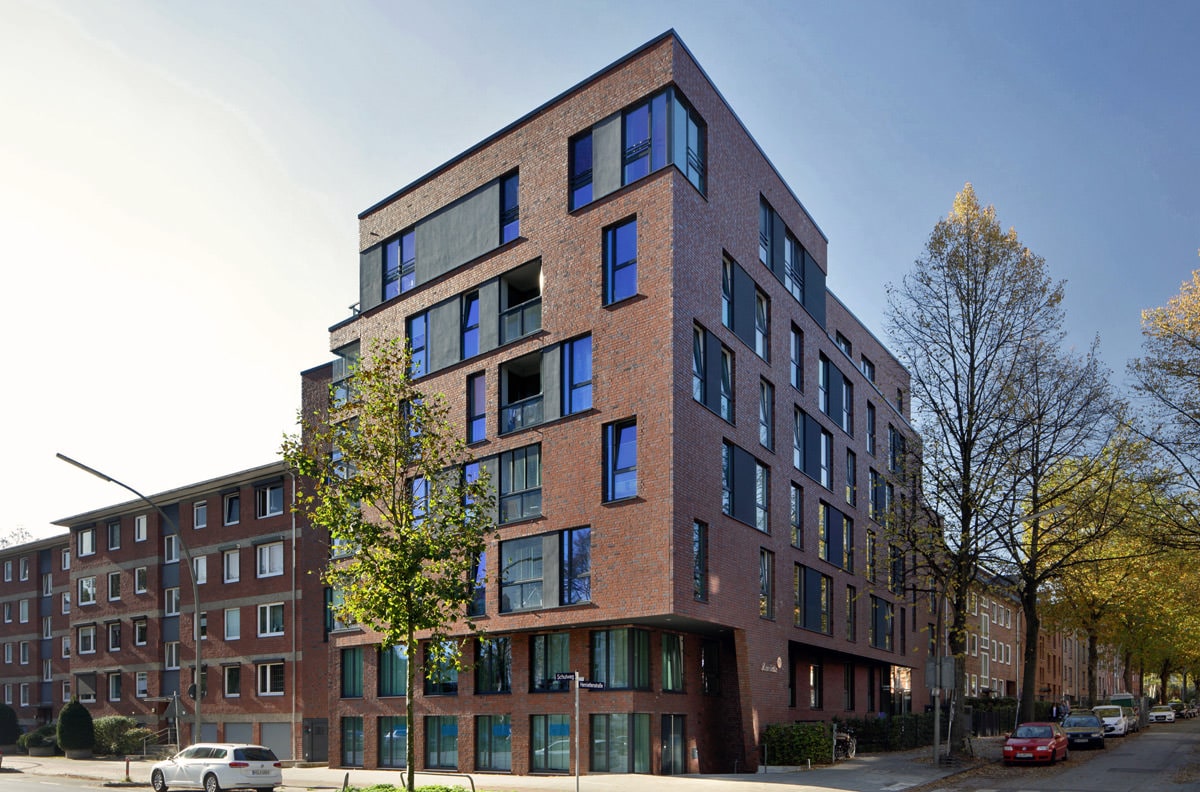
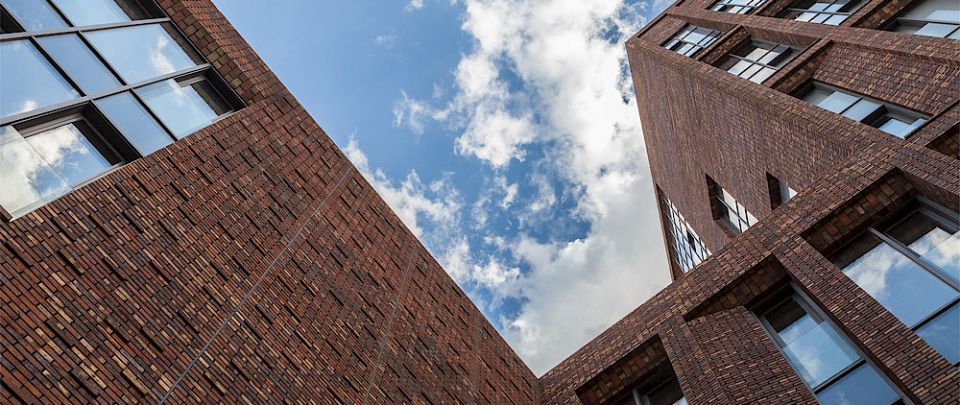
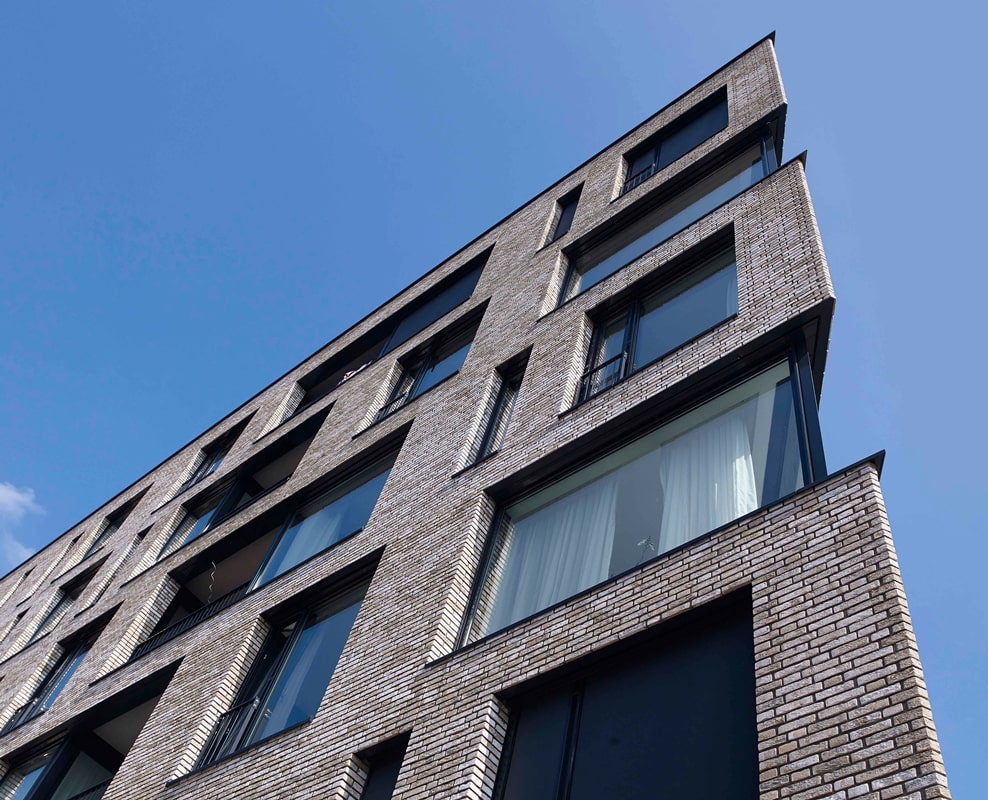
When an architect or builder says "clinker", most people picture a brick. Let's look at what clinker brick is.
Clinker is a dense ceramic brick made from refractory clays and fired until the clay partly vitrifies, at roughly 1,100 to 1,200 °C; the exact temperature affects the final color and shade. It is not a firebrick for furnaces, but a facade and paving material. The name comes from the Dutch for the clear, ringing sound two clinker bricks make when tapped together.
Its most important property is strength, which is why clinker pavers are so common in the streets of Amsterdam and other European cities. Durability comes from the composition:
- refractory (fire) clay;
- feldspars, rock-forming silicate minerals;
- clay minerals, hydrous silicates.
Different proportions of these components give different colors and shades. Common facade clinker sizes in Ukraine are 250x60x65 mm, 250x85x65 mm, and 250x120x65 mm; European and American formats differ. Clinker comes in two types, solid and hollow (cored).
A clinker facade needs very little maintenance for a long time and does not change color. Just remember that good material needs a skilled mason. In our projects we often use clinker brick for private houses and for the reconstruction of aging buildings in city centers.
How to Recognize Real Clinker
The defining property is low water absorption: under the German standard, a brick qualifies as clinker if it absorbs no more than 6% water by mass. This makes it frost-resistant and resistant to staining. Ask suppliers for documented water absorption, freeze-thaw resistance, and compressive strength, not just a color photo.
Clinker and Brick Facades in Seattle
In the Pacific Northwest, rain rather than frost is the main test for a facade. Brick works well here when it is detailed as a rainscreen: a drained, ventilated cavity behind the brick, proper flashing at windows and at the base of the wall, and weep holes that let water out. Seismic design matters too - brick veneer must be properly tied back to the structure. Thin clinker brick on a rainscreen system is a lighter alternative to full-depth brick for remodels.
Frequently Asked Questions
How does clinker brick compare to standard facade brick in cost? Clinker usually costs more upfront, but its near-zero maintenance over a building's lifetime, compared with periodic repainting or sealing for many alternatives, closes much of that gap over 15 to 20 years.
Can clinker brick be used on a renovation, not just new construction? Yes. It is one of the more common ways we use it, especially when reconstructing older city-center buildings, where a clinker facade transforms a tired structure without a full rebuild.
Does clinker brick work in a cold climate? Yes. The same low water absorption and high firing temperature that give clinker its strength make it resistant to freeze-thaw cycles, which is why it is so common in Northern European cities with cold winters.
Choosing a facade material, clinker or otherwise, for a specific climate, budget, and building type is what our material selection service is for. See also our remodeling design service.