When you design a house or apartment, the closet is one of the most important parts of the interior, even though guests hardly ever see it. The deZZign team has designed many storage systems for our clients, and in this article we share the main things to think through before drawing a walk-in closet or wardrobe. A well-designed closet saves time every morning, keeps your things in order, and ends the endless searching.
Closed, Open, or Combined
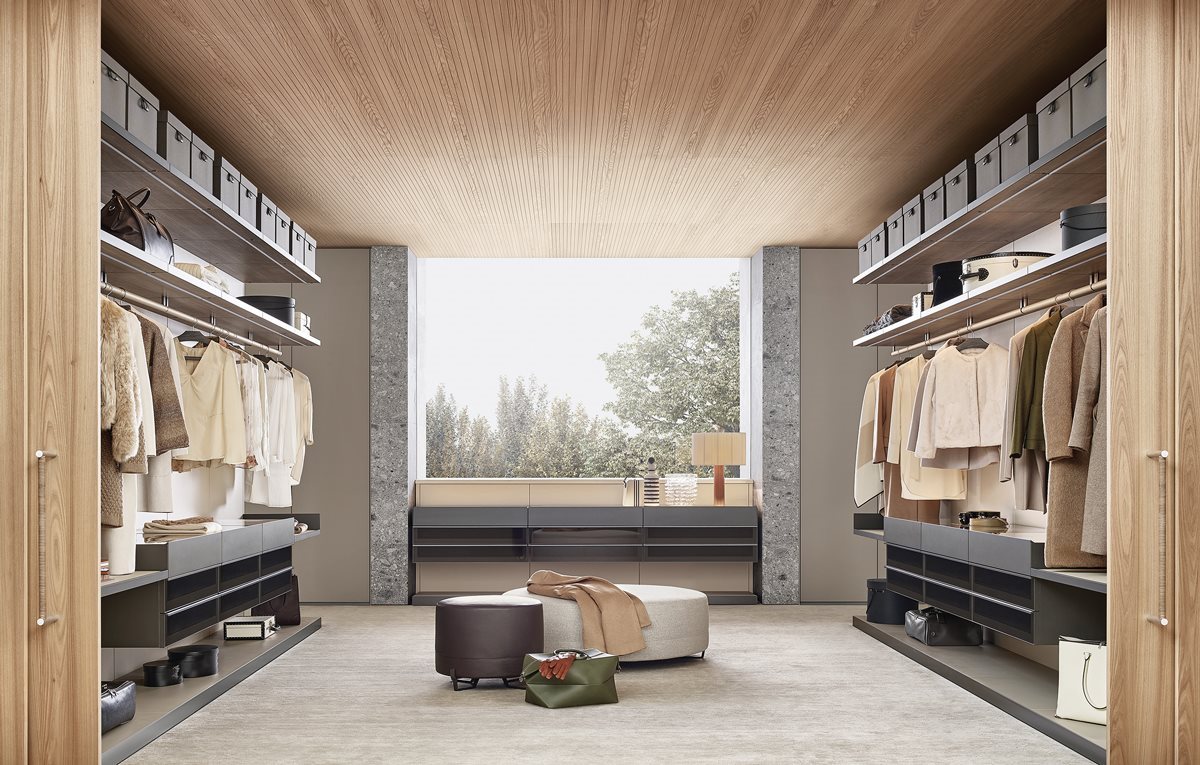
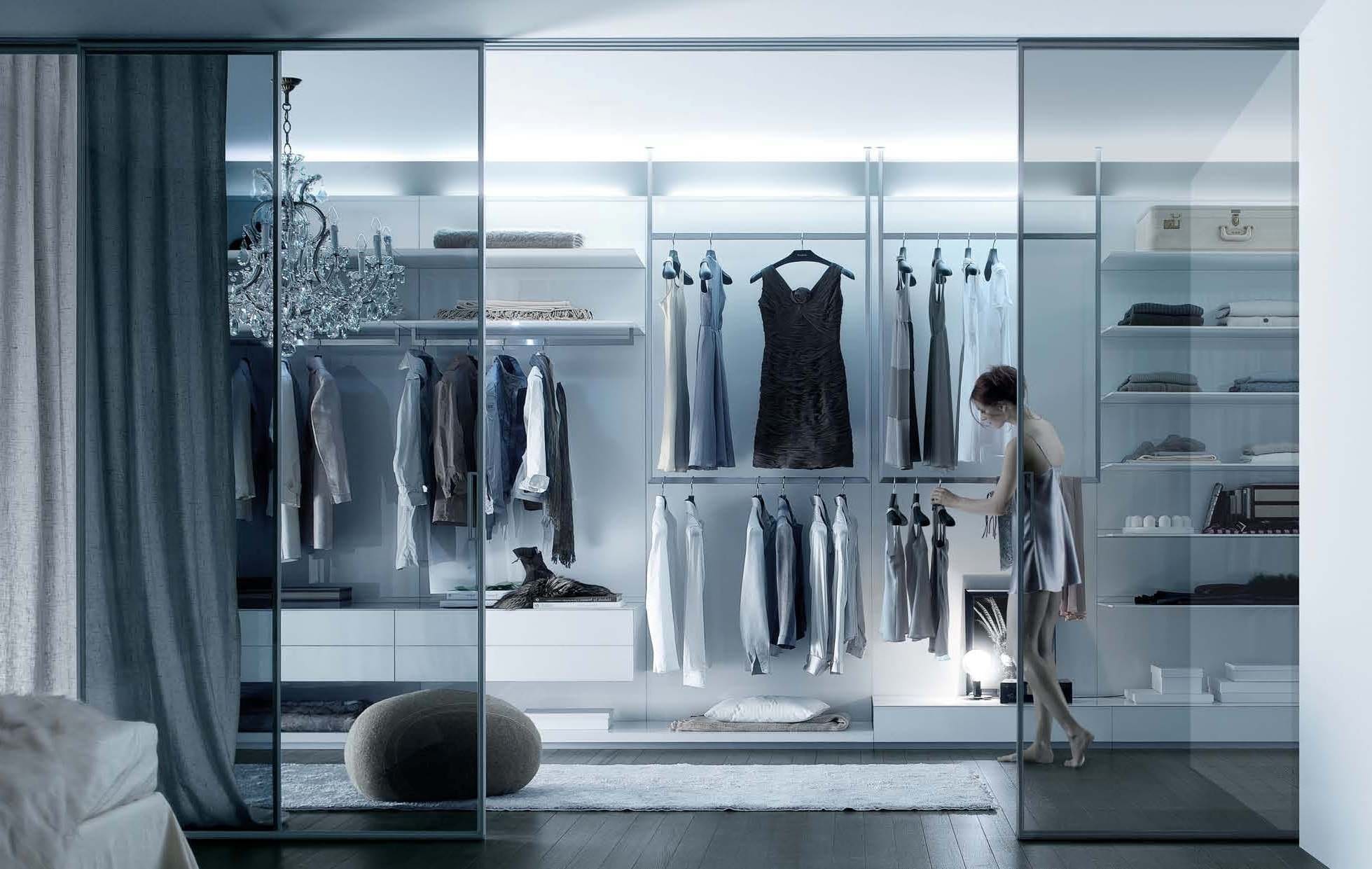
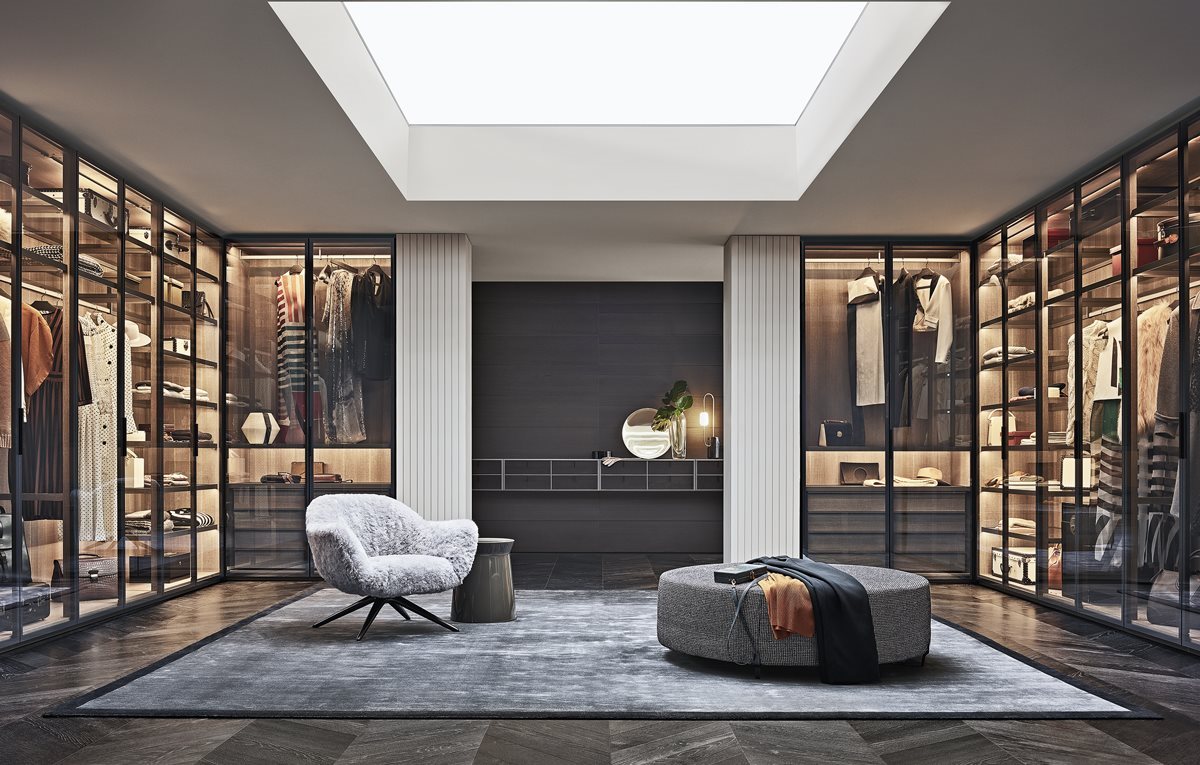
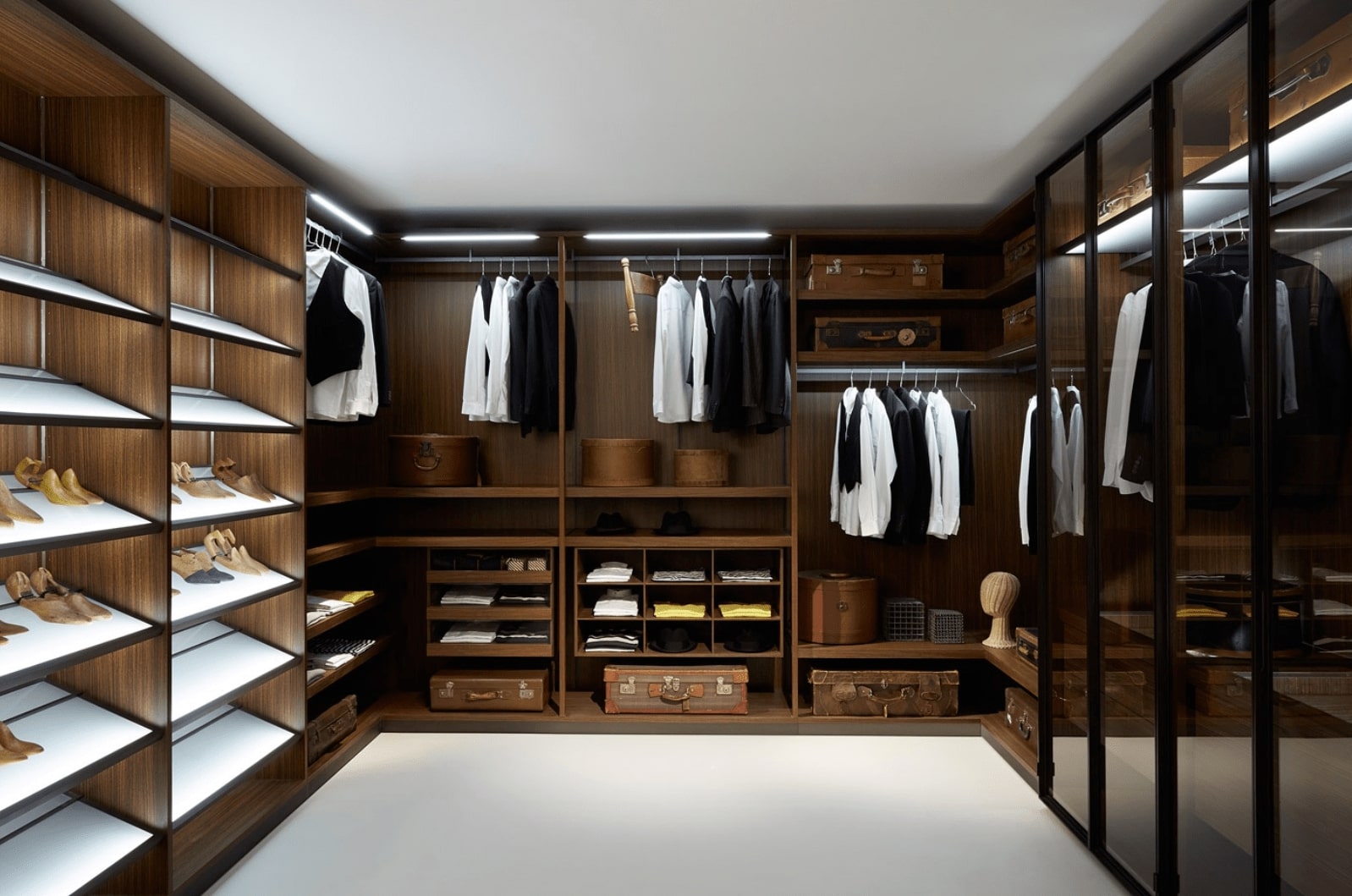
The first question is where the storage will live: in a dedicated room or as part of another space. That leads to three concepts: closed, open, and combined systems. If you have a whole room for a walk-in closet, part of the storage can be open or behind glass doors so everything is in view. Open shelving collects dust, though, so glass fronts are a sensible compromise. If the wardrobe takes up part of a bedroom or living room, it should definitely be closed, so the room keeps its visual calm. In an entry or hallway, a closed system with full-height sliding or hinged doors works best.
Planning the Interior
Planning the inside starts with questions: how many people will use it, how much clothing, linen, and footwear you have, and what goes in drawers, on hangers, or on shelves. Don't forget hats, bags, suitcases, and off-season items. Our designers build an ergonomic system around how you actually store things. And always design with room to spare: possessions only multiply.
Hanging sections need a depth of 22-24 inches (550-600 mm); shelves and drawers need about 16-18 inches (400-450 mm).
Short hanging (shirts, jackets) needs about 40 inches (100 cm) of height; long hanging (dresses, coats) 60-68 inches (150-170 cm).
Leave an aisle of at least 28-32 inches (70-80 cm) with storage on one side and 40-48 inches (100-120 cm) with storage on both sides.
Top shelves are for off-season items and luggage, lower ones for shoes.
The more specialized components - pull-down rods, tie and belt organizers, jewelry trays, hidden compartments, drawers lined with leather or felt - the more the system costs, but this kind of fit-out pays off in everyday comfort. Price also depends on materials (exotic veneers, glass doors with seals), built-in garment-care cabinets, lighting, and of course size.
deZZign's designers and engineers have extensive experience creating storage systems, from small reach-in closets to full dressing rooms, and can propose the solution that fits your interior and budget from the start. Get in touch!
What Separates a Premium Wardrobe System From a Standard One
Several of the manufacturers we already specify for furniture and doors also produce dedicated wardrobe and closet systems, and the difference between their systems and a standard built-in wardrobe usually comes down to details that aren't visible until you actually use the space daily.
Poliform is one of the clearest examples - wardrobe and walk-in closet systems are one of the brand's core product categories, not a side offering, with modular interior components (drawer systems, shelving, integrated lighting, accessory organizers) engineered to work as a coordinated system rather than separately purchased pieces that happen to sit next to each other.
Rimadesio brings the same minimalist, hidden-frame language to wardrobe systems that we specify for their sliding doors - aluminum profiles and glass panels that read as architecture rather than furniture, particularly suited to open or semi-open wardrobe configurations where the system itself is meant to be seen, not hidden behind solid doors.
Molteni&C approaches storage with the same design language as the rest of their furniture collections, which matters when a wardrobe or walk-in closet sits adjacent to a bedroom furnished with pieces from the same brand - the visual continuity between the two spaces stops being an accident and becomes a deliberate part of the design.
SV Group takes the opposite design direction from Rimadesio's minimalism - their wardrobe and cabinetry work is built for classic and traditional interiors, with detailed millwork, moldings, and finishes that would look out of place in a minimalist system but are exactly right for a more formal or period-appropriate room.
Why the Hardware Matters More Than It Looks
The single biggest difference between a premium wardrobe system and a budget one is rarely visible in a photograph: it's the drawer runners and door hinges. Soft-close mechanisms from specialists like Blum or Hettich cost more than basic hardware, but they're also the components that determine whether a system still feels precise after five years of daily use or starts to feel loose and unreliable within the first year. For a system used multiple times a day, every day, this is one detail worth paying for even when budget pressure pushes toward economizing elsewhere.
Closets in Seattle-Area Homes
In the Pacific Northwest, the most valuable storage is often near the door: a mudroom or entry closet with space for rain jackets, umbrellas, and boots, ideally with ventilation or a drying rack so wet gear doesn't sit in a closed cabinet. In older houses with small reach-in closets, a well-planned system with double hanging and adjustable shelves can nearly double usable space. For walk-in closets on exterior walls or in basements, keep humidity in check with good ventilation, since damp winters can lead to musty smells and mildew on leather and natural fabrics. For more on built-in solutions, see our article on cabinet furniture.
Frequently Asked Questions
Is a branded wardrobe system worth the added cost over a custom-built one from a local workshop? It depends on priorities - a good local workshop can match the joinery quality, but branded systems typically offer more refined hardware, a wider range of tested interior configurations, and long-term parts availability that a one-off custom build can't guarantee.
Can different brands be mixed within the same wardrobe system? Generally not within a single modular system, since each brand's components are engineered to specific dimensional standards - but a bedroom can combine a Poliform wardrobe with furniture from a different manufacturer as long as the overall material and finish language is coordinated.
How much of the wardrobe budget should go toward hardware versus visible finishes? More than most people initially plan for - hardware failure is what actually makes a system feel cheap over time, while visible finish choices affect how it looks on day one.
Specifying the right combination of system, finish, and hardware for a specific space is exactly the kind of decision our furniture selection and interior design services are built around.