We all know what lighting is, but let's try to define it. Light is what allows us to see, and through sight we receive most of our information about the world; in this way light shapes the space around us and guides us through it. Our task as architects and designers is to create the most pleasant and comfortable space possible for living, working, and creating.
Lighting as Part of the Whole System
Lighting scenarios work best when they are planned as part of a smart interior from the start, coordinated with the rest of the design rather than added afterward. Control matters as much as the fixtures themselves - see our overview of JUNG switches and systems for how the switching side of lighting works.
Natural Light
There are two kinds of lighting: natural and artificial. Natural light does important work. Sunlight regulates our biological rhythms, helps the body produce vitamin D, and lifts our mood; people in regions with long dark winters are more prone to seasonal depression. Direct sunlight on a space is called insolation, and it is a critical parameter in planning cities, neighborhoods, and homes. When designing a house from scratch, we can shape natural light through orientation, window placement, and shading. In an apartment you have bought, the main tool left is artificial light.
Start With Yourself
Where do you begin? The rule is "start with yourself". You are the one who will live in this space, so you need to understand how you live and what you will do in each room. Ask yourself - and tell your designer - "why do I want it this way?" That answer prevents most mistakes. We need to understand the scenarios of your life to place light sources properly.
Types of Fixtures
- Chandelier - the traditional statement fixture.
- Pendant - a lighter, more contemporary relative of the chandelier.
- Surface-mounted ceiling lights - common in older homes, but with modern versions too.
- Spotlights - adjustable fixtures that direct light where it is needed.
- Recessed downlights - built into the ceiling, a clean modern solution.
- Track lighting - our favorite: flexible, scalable, and minimalist.
- Wall sconces - for corridors, bedsides, and soft side light.
- Floor lamps - from classic to contemporary designs such as those by Flos.
- Table lamps - essential for reading, homework, and hobbies.
- Decorative lighting - string lights, candles, a fireplace.
Designers choose fixtures to suit the interior style; in minimalist, loft, and contemporary interiors, recessed spots and track lighting dominate. A brand we often use for indoor and outdoor lighting is SLV, a German manufacturer that combines minimalism, quality, and advanced technology.
Three Layers of Light
- Ambient light lights the room evenly: concealed fixtures, tracks, ceiling panels.
- Task light goes where you read, cook, or work: over counters, at mirrors, on desks.
- Accent and decorative light highlights art, textures, and niches and sets the mood in the evening.
Lighting Room by Room
- Living room: dimmable ambient light, a reading lamp by each seat, and accent light on art or shelving, so the room works for guests, movies, and quiet evenings.
- Kitchen: bright, shadow-free task light under the upper cabinets or over the island, plus softer light over the dining table.
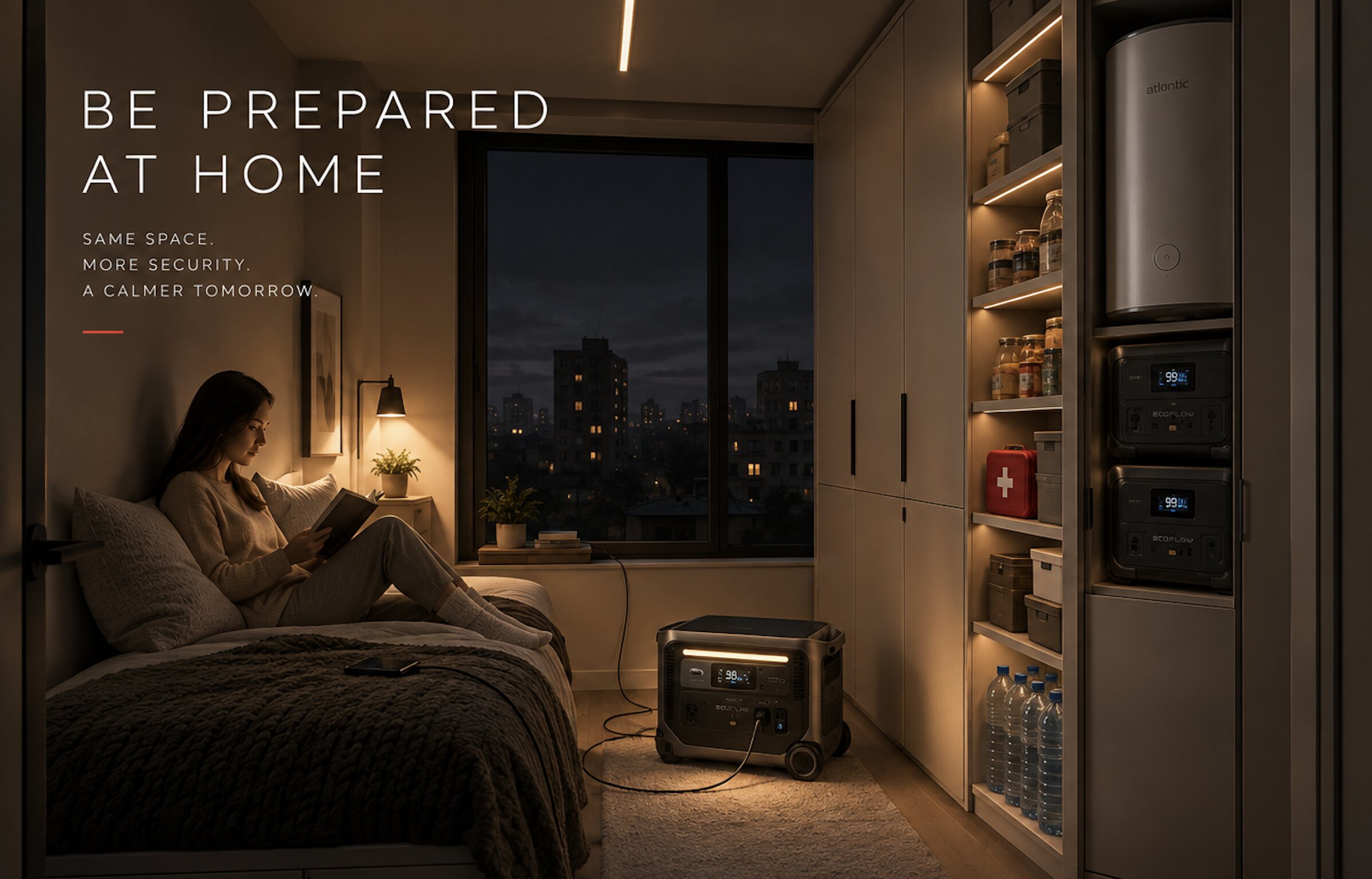
- Bedroom: warm, low light, reading lights on each side of the bed, and a dim night path to the bathroom.
- Bathroom: even light at face level around the mirror rather than a single downlight overhead, which casts harsh shadows.
- Hallways and stairs: low wall or step lights for safety at night, ideally on motion sensors.
Color and Quality of Light
For living spaces, warm light of 2700 to 3000 K is the usual choice; work areas can take a more neutral 3500 to 4000 K. Look at the color rendering index too: fixtures with a CRI of 90 or more show materials and skin tones naturally. In Seattle's long gray winters, layered warm lighting and dimmable scenes make a bigger difference to how a home feels than almost any other design choice.
In conclusion: interior styles change quickly, but what you value at your core evolves more slowly. Be honest with yourself and with the designers who create your interior - no one knows you better than you do - and remember that sometimes the unexpected combination looks best, against all the rules. See our interior design service, and more from our practice: Loft in Kyiv.