
There's no shortage of flooring materials to choose from these days, which makes it genuinely hard to settle on one. Laminate, vinyl, tile, cork, and porcelain stoneware are the usual contenders. Today we're comparing the first two head to head - their characteristics, their trade-offs, and where each one wins.
Price
Price always matters. Comparing vinyl and laminate on this point, vinyl is reliably the more expensive of the two - usually by 20-30%.
Environmental Impact
Both materials are used in living spaces where people spend a lot of time, so both are designed to have minimal environmental impact and don't release harmful substances into the air. Composition differs, though: laminate is made from wood fiber, while vinyl is almost entirely synthetic.
Water Resistance
Vinyl wins this one by a wide margin. It's a fully water-resistant material that can handle prolonged contact with moisture - something laminate can't claim, even with moisture protection, since that protection has real time limits.
Texture and Feel
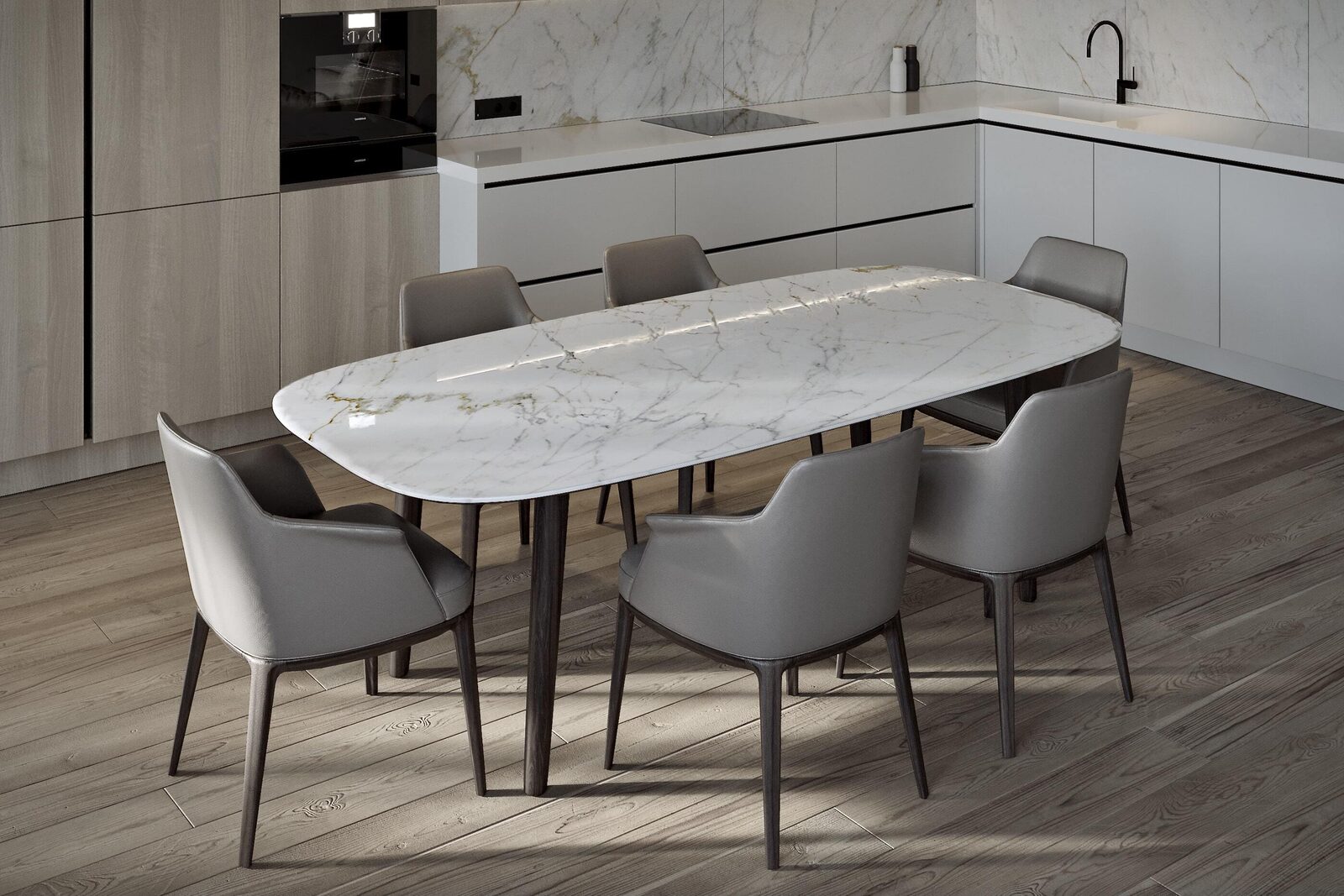
One of the most important qualities for any floor is how it feels underfoot - it should feel good to walk on barefoot, and it's also a major visual element of the room. A good pattern adds warmth and finish to an interior. Laminate has a huge range of options here, and its higher-end versions are nearly indistinguishable from real wood. Vinyl can look good too, but its design variety falls well short of laminate's.
Durability and Wear Resistance
Vinyl was originally engineered for heavy loads, which makes it more durable and wear-resistant overall. Laminate still works fine for residential use - it doesn't scratch easily.
Impact Resistance
Following on from the last point: impacts barely affect vinyl. On its own it's an elastic material, and worst case, it'll dent rather than crack. Laminate is less forgiving here - a hard enough impact is more likely to break it outright.
Warmth
If insulating the room matters, laminate is the better call. It's thicker than vinyl and holds heat better as a result. Even with an underlayment, vinyl flooring stays cooler than laminate.
Underfloor Heating
If your project includes radiant floor heating, vinyl is the better fit - it's thin and shares enough properties with tile to work well with underfloor systems. Laminate performs noticeably worse here: not only does the specific laminate need to conduct heat well, but a number of safety conditions have to line up too.
Noise
To cut down on footstep noise and impact sound, vinyl is the better choice - it's a soft material that absorbs ambient sound. Laminate, even with various underlayments, tends to be louder.
Comfort Underfoot
Similar logic applies here: vinyl's softer, more elastic surface makes it slightly more pleasant to walk on than laminate. Different vinyl types - glue-down or SPC, for example - feel a bit different from each other, but vinyl generally edges out laminate on comfort.
Fire Resistance
Under standard fire-resistance classification, laminate is typically rated C(fl) s1 and vinyl B(fl) s1 - meaning vinyl is the safer of the two, with some exceptions depending on the manufacturer, though this holds for most of the market.
Repairs
Minor laminate damage is easy to fix with a repair kit, while damaged vinyl generally isn't repairable in place. For more serious damage, swapping a single laminate plank is harder than replacing a vinyl strip. Since most damage tends to be minor, we'll give this point to laminate.
Design Range
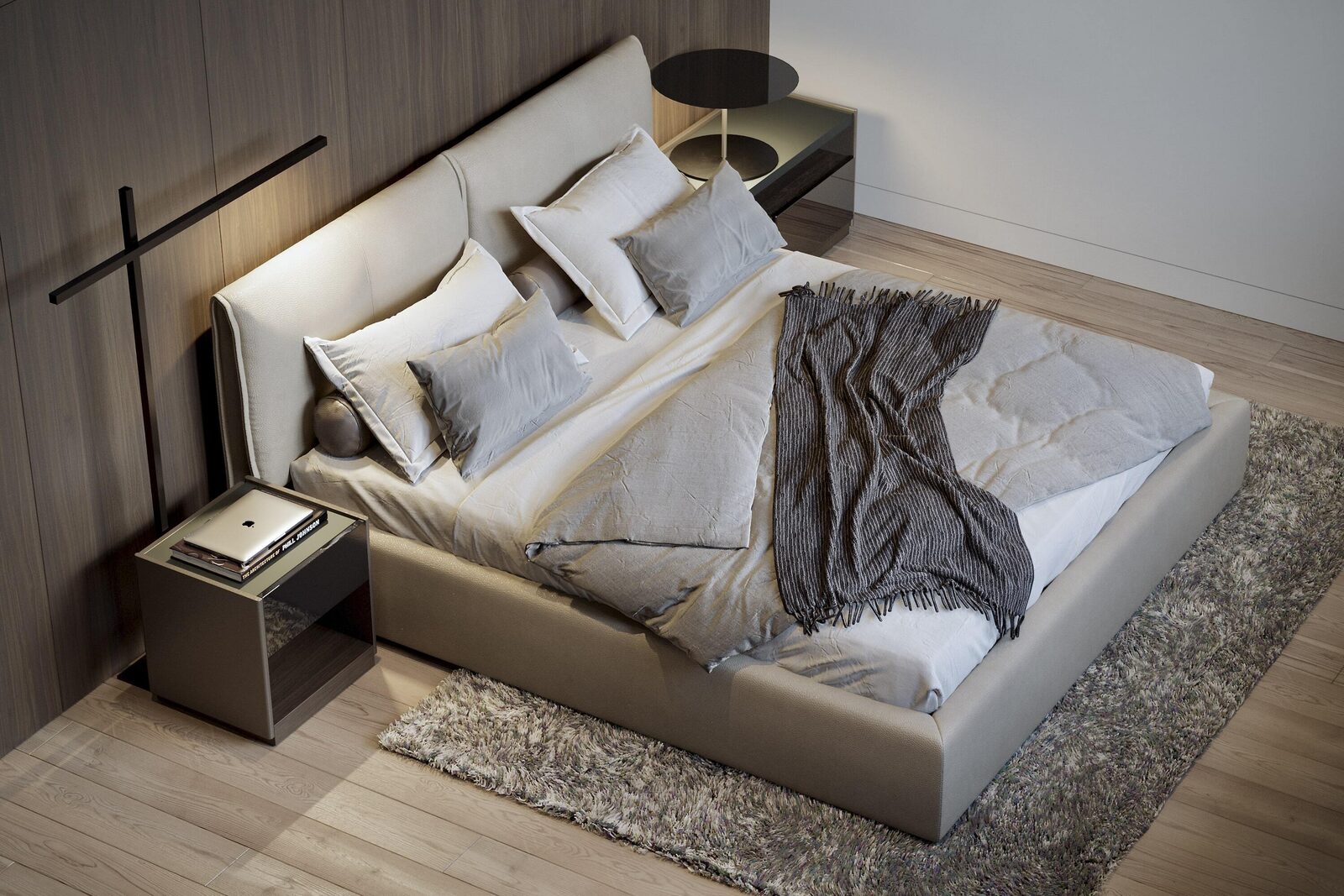
As noted above, laminate offers a considerably wider range of designs. Vinyl's design catalog leans more classic and limited by comparison.
Ease and Cost of Installation
Both materials are fairly easy to install. Laminate is more forgiving of subfloor conditions and uses a simple click-lock system, and installation typically costs noticeably less than vinyl.
The Verdict
Tallying it all up, it's a genuine tie - vinyl and laminate each score 7 points. If you're choosing between the two, the right call is whichever one actually matches your vision and how you want the space around you to feel.
Types of Vinyl Flooring
- Glue-down luxury vinyl tile or plank - thin and glued to a perfectly flat subfloor; very quiet and well suited to radiant heat.
- Click luxury vinyl plank (LVP) - floats like laminate and is easier to replace.
- SPC - vinyl on a rigid stone-polymer core: stable through temperature and humidity swings and forgiving of minor subfloor flaws.
- WPC - vinyl on a foamed core: warmer and softer underfoot, but less dent-resistant.
Laminate Wear Ratings
Laminate is graded by abrasion class under the European standard: AC3 suits most residential rooms, AC4 handles heavy household traffic and light commercial use, and AC5 is built for busy commercial spaces. For entries, open kitchen-living areas and homes with kids or dogs, we recommend AC4 or higher.
Flooring in Seattle Homes
In the US, luxury vinyl plank has become one of the most popular floors for remodels, and in the Pacific Northwest it makes particular sense in kitchens, bathrooms, mudrooms and basements, where moisture and wet boots are a fact of life. Laminate and engineered wood stay popular in bedrooms and living rooms. In condos, many associations set minimum sound ratings for flooring, so the underlayment matters as much as the floor itself. A concealed baseboard makes any floor look cleaner - see our piece on concealed skirting boards - and we help choose specific collections through our material selection service.


