
Choosing new bathroom fixtures is worth getting right the first time. Here's a short guide with your options and advice from our designer.
A Cohesive Set
Before you start picking fixtures, keep in mind: don't mix and match across different collections. Your tub, toilet, bidet, shower, and sink should all share a consistent style.

The two universal requirements for any fixture are comfort and hygiene. Everything else - color, dimensions - comes down to personal preference. But don't skip on quality: individually and together, these pieces need to last for years, so pay close attention to materials.
Choosing the Material

Glazed ceramics are by far the most common material, and they come in two main types: earthenware (faience) and vitreous china, often sold as porcelain. What actually separates them?
Earthenware fixtures are more porous and lighter. They look great in nearly any interior and come at a reasonable price.
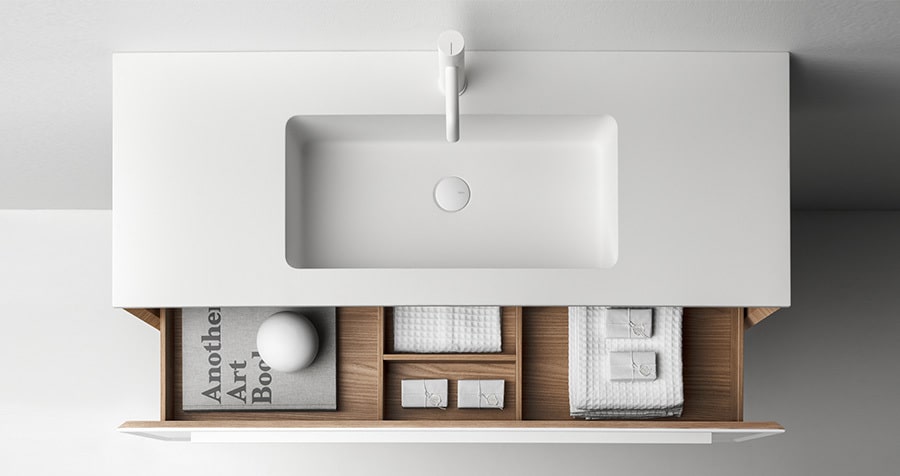
Vitreous china and porcelain pieces are fired at higher temperatures, so they are denser, heavier, and pricier. Almost all toilets and sinks sold in the US are vitreous china. They're easier to maintain, though - mineral deposits are barely visible on the surface, and temperature changes don't affect their appearance, which makes porcelain the better choice for unheated spaces.
A note from our specialists: neither material handles a heavy impact well - both will crack visibly, which is a real downside worth knowing about.
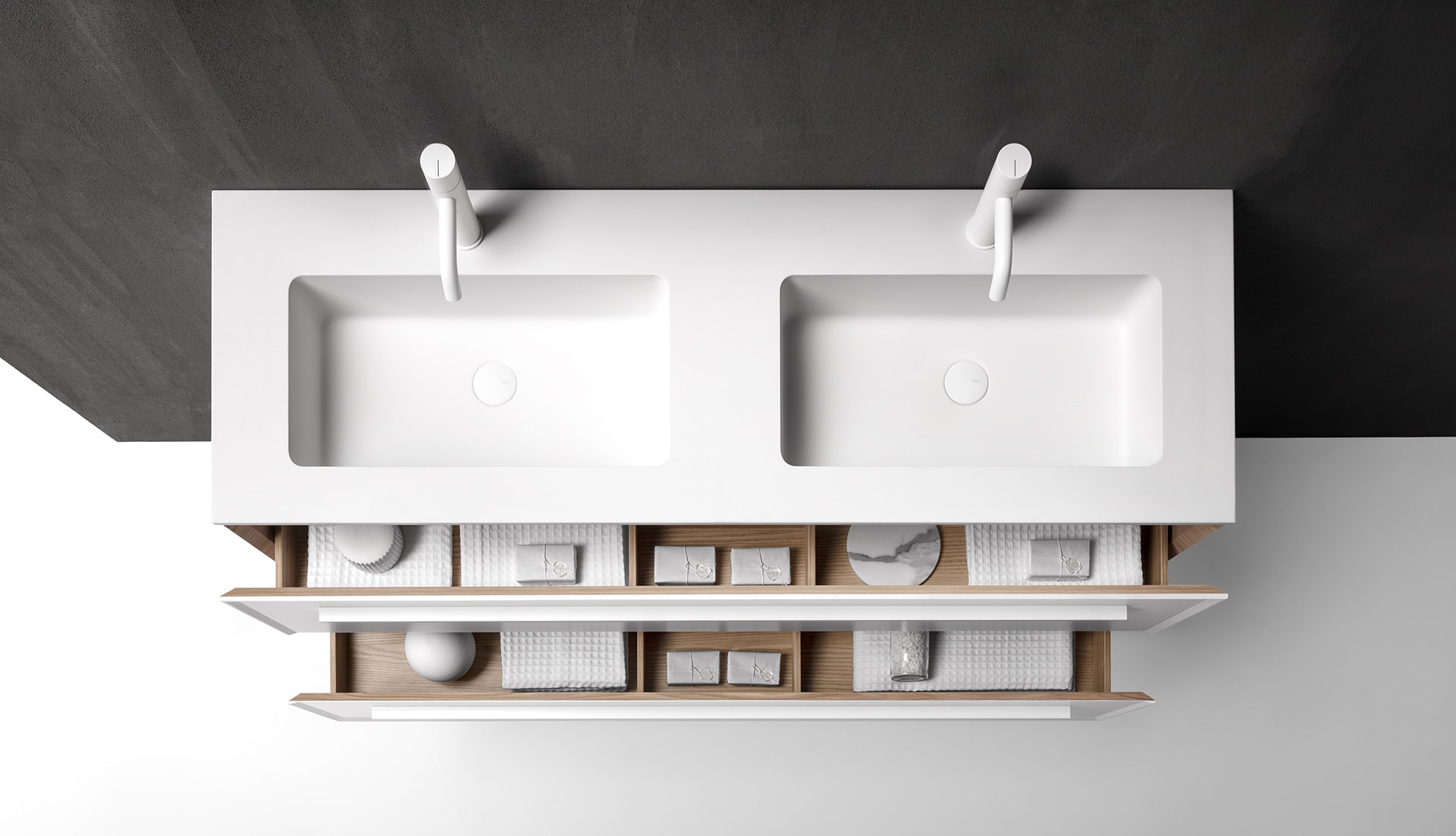
If you want something more distinctive than porcelain or vitreous china, these materials are worth a look:
Composite fixtures. Sturdy and stylish, with high cost as the main downside - though it's a fair trade. The material resists damage and harsh cleaning products, needs minimal upkeep since dirt doesn't cling to the surface, and has the look of smooth, polished granite.
Marble. A luxurious material associated with high-end status. It's sturdy, but its porous structure needs special care since it stains and dirties quickly.
Glass. Stylish and modern, and sturdier than it first appears - holding up as well as vitreous china or porcelain. It does need careful maintenance, though, with specialty products to keep streaks and water spots from building up.
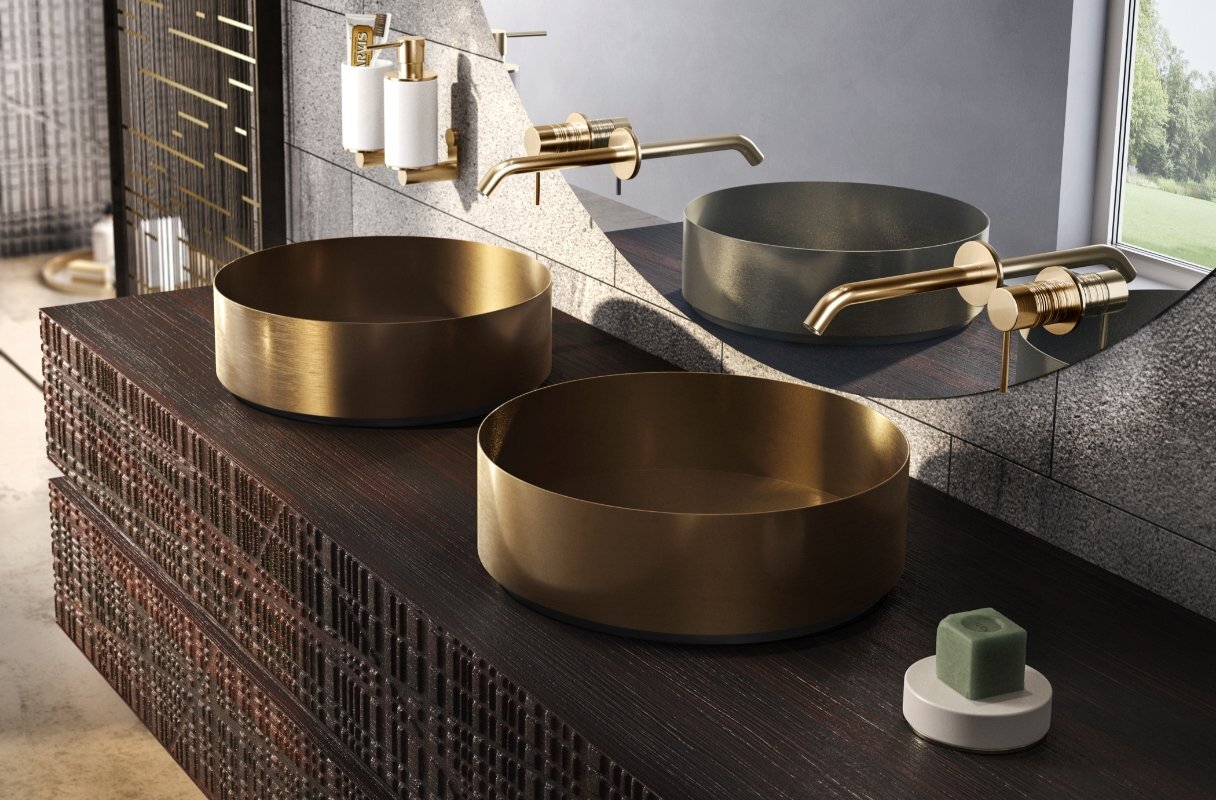
Choosing a Sink
Sinks come in a wide range of shapes - a classic tulip basin, a cascading design, a wall-mounted model, or something sculptural. The most important factor: an overflow hole. Look for a sink with proper overflow protection, along with its own trap and mounting hardware.
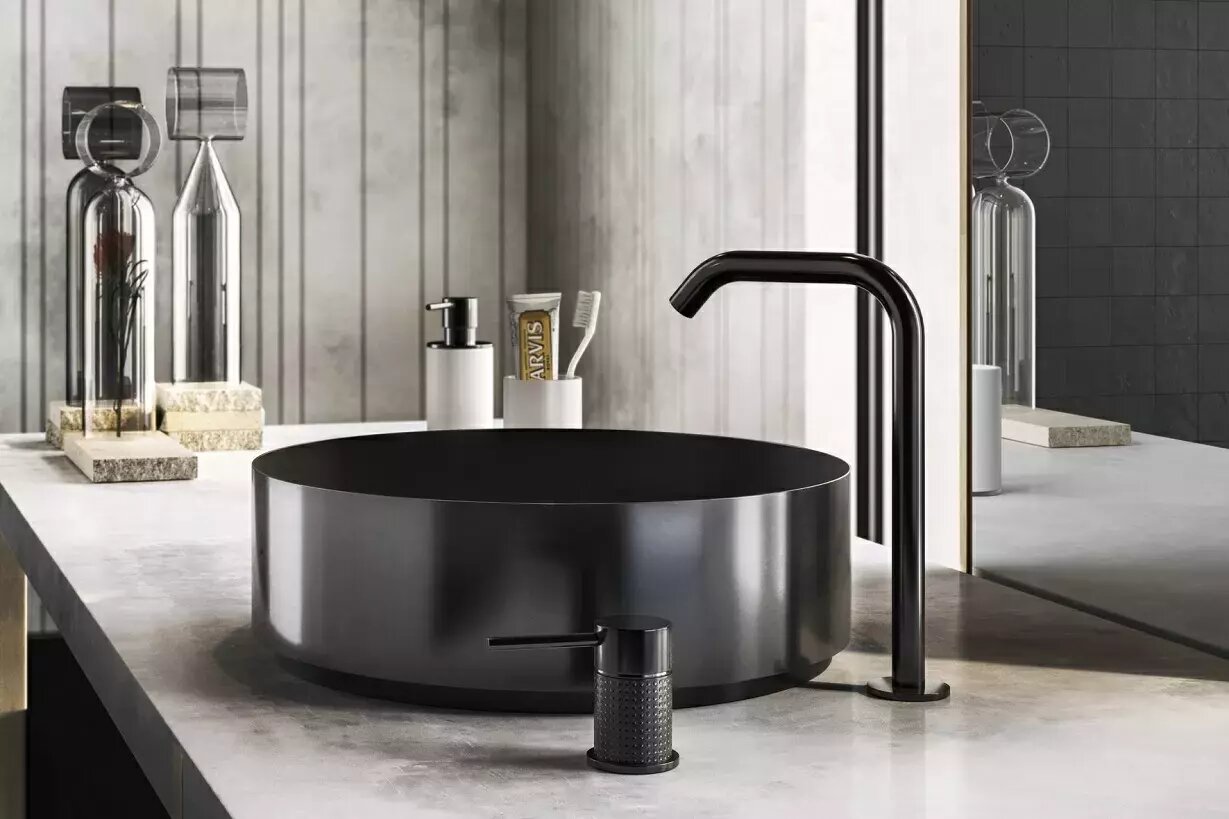
Let the room's size guide you. In a smaller space, look at sinks designed to be built into the interior, or corner-mounted models.
Choosing a Toilet
A handful of toilet models are the most popular by far. If saving water matters to you, choose one with a dual/half-flush option - it uses only half the tank's water on the lighter flush, cutting water use noticeably.

For water that flushes evenly around the whole bowl, look for a rim-flush model - these stay cleaner for longer.
To avoid a lengthy plumbing-adjustment job, pick a toilet that's built to match your specific bathroom - and measure the angle of your drain pipe carefully before you buy.
Choosing a Tub or Shower Base
A tub or shower typically becomes the unofficial focal point of a bathroom. It needs to do its job well and look right in the space.

Materials worth considering:
Cast iron. A trusted, time-tested material. It holds heat longer than the alternatives, though cast iron itself is very heavy, which can complicate installation.
Steel. Considerably lighter and cheaper. Worth knowing: a steel tub heats up fast and cools down just as fast, and thin-gauge steel walls can flex under weight.
Acrylic. The most commonly used modern material - low-maintenance, holds heat well. The downside: it scratches easily.
How We Handle This as Part of Furniture Selection
This isn't just advice from us - fixture selection is a built-in part of our furniture selection service. We work directly with manufacturers across the full range, from trusted, well-built mass-market names like Kohler and Hansgrohe to high-end designer fixture lines for clients who want something more distinctive. Rather than pointing you toward a catalog and letting you guess, we handle sourcing as part of the same process that selects the rest of your furniture - so the bathroom actually matches the rest of the space, not just itself.
When buying fixtures on your own, pay attention to the manufacturer and the specs we've outlined above. Good fixtures always come with a quality guarantee - and if you're overwhelmed by the number of manufacturers out there, sticking with established global names is a safe bet every time.
Wall-Hung or Floor-Mounted Toilet
A wall-hung toilet with an in-wall carrier makes floors easier to clean and makes a small bathroom feel lighter. The tank and pipes sit inside the wall, so plan access to the mechanism through the flush plate or an access panel. A floor-mounted toilet costs less and is easier to replace, and back-to-wall models look almost as clean. Either way, check the rough-in before you buy: most US toilets are designed for a 12-inch rough-in, but older homes may have 10 or 14 inches.
Water Efficiency and Comfort in the US
Federal rules limit new toilets to 1.6 gallons per flush and showerheads to 2.5 gallons per minute. EPA WaterSense-labeled models go further - 1.28 gallons per flush for toilets and 2.0 gallons per minute for showerheads - while still meeting performance tests, and Washington State has adopted its own efficiency standards for several plumbing products. A good WaterSense toilet today flushes as well as older models while using noticeably less water. For comfort and accessibility, consider a taller "comfort height" bowl (seat height around 17 to 19 inches, in line with ADA guidance), a thermostatic shower valve that holds temperature steady, and blocking in the walls for future grab bars.
Faucets and Showers: What to Check
Choose the faucet together with the sink: the height and reach must suit the basin, or water will splash or miss the center. A concealed shower system looks clean but needs a quality rough-in valve and careful planning of wall depth, so it is a design-stage decision. Finishes matter too: matte black, brass, and brushed steel look striking, but the coating has to hold up to hard water and cleaning products. In the Seattle area, the soft water from regional supplies is easy on fixtures; homes on wells elsewhere in Washington may need a filter or softener.
How We Specify Fixtures in a Project
In our design projects, fixtures are part of one specification together with tile, cabinetry, and lighting. We pick sinks, faucets, toilets, and shower systems that work with each other and the interior, check dimensions and connection points on the drawings, and plan carriers and concealed systems in advance. See our material selection and interior design services, and for a finished example, the bathrooms in our Ascetic House Interior project.
FAQ
What is the best material for a bathroom sink? Vitreous china is the standard for good reason: it is dense, easy to clean, and durable. Solid surface, stone, and metal sinks offer a more distinctive look but need more careful upkeep.
Which bathtub keeps water warm longest? Cast iron and solid-surface or composite stone tubs. Acrylic also holds heat well, while enameled steel cools the fastest.
Do all fixtures need to come from one collection? Not necessarily, but they should match in shape, color, and finish. The simplest way is to keep all faucets from one series and all ceramics from one line.


