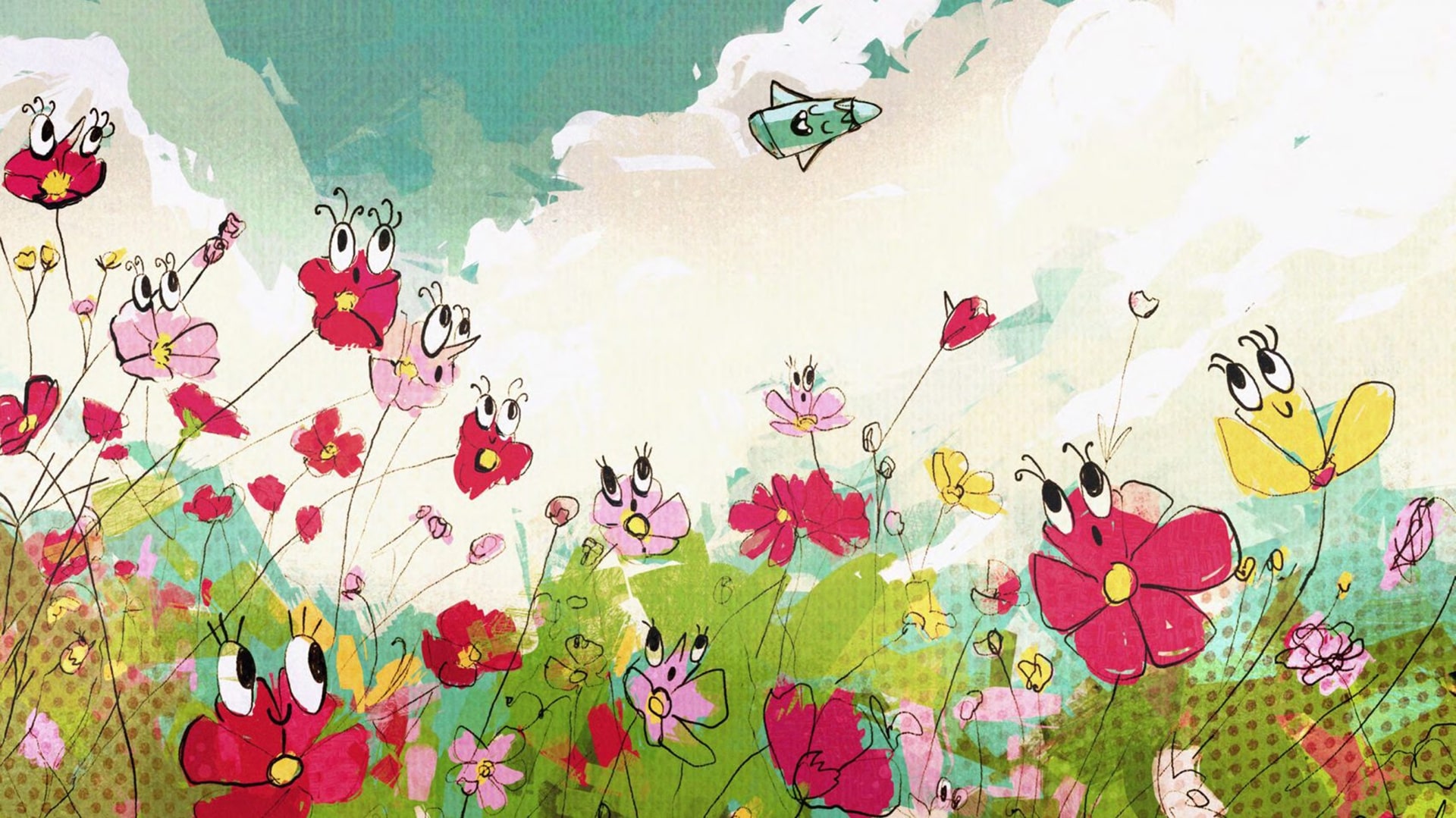
During the early months of the COVID-19 pandemic, with London's offices sitting empty and its architects working from home, Foster + Partners did something unexpected: it turned one of its own buildings into a children's book character.
Meet the Flying Gherkin
The book's star is 30 St Mary Axe - officially that's the building's real name, though almost everyone in London knows it by its nickname, the Gherkin, for its distinctive rounded, tapering shape. Completed in 2004, the building won the Stirling Prize - UK architecture's most prestigious award - the same year it opened, and it's remained one of the most recognizable additions to London's skyline ever since.
In "The Flying Gherkin," the tower gets a full personality. The story opens on London's unusually quiet, pandemic-emptied streets, where the Gherkin chats with its architectural neighbors - St Paul's Cathedral and the Leadenhall Building, better known as the "Cheesegrater." With no one coming into the office, the Gherkin decides it's the perfect moment for a holiday. It discovers, through sheer will and determination, that it can fly - taking off on a journey to visit other Foster + Partners buildings scattered around the world.
Four Episodes, One Rebellious Skyscraper
The series was written by Mrinal Rammohan, illustrated by Catarina Rao, and designed by Sam Strudwick, and it unfolds across four separate episodes: First Flight, French Connections, Good ol' Mr Murray, and Frolicking in Florida.
In French Connections, the second installment, the Gherkin crosses the Channel to visit the Millau Viaduct - another Foster + Partners project, and the tallest bridge structure in the world. The bridge gets its own voice in the story, explaining its own engineering to its skyscraper friend. Katy Harris, senior partner at Foster + Partners, described the premise simply: "The story traces the journey of a rebellious building who, by sheer willpower and determination, discovers a unique ability to fly."
Part of a Bigger Initiative
The book sits inside Foster + Partners' broader #architecturefromhome initiative, launched specifically to keep children engaged with the buildings and cities around them while schools and normal activities were disrupted. As Harris explained it, the project extends the studio's regular workshops and public events into a format families could use from their living rooms.
The reasoning behind the project goes deeper than pandemic boredom, though. "Buildings are a fundamental part of life, providing one of the most basic needs: shelter," Harris said. Kids, she pointed out, tend to draw houses before almost anything else - the archetypal peaked roof, a door, two windows. Turning real buildings into characters with personalities and friendships is Foster + Partners' way of making that instinct a little more sophisticated.
London's Habit of Nicknaming Its Skyscrapers
The Gherkin isn't alone in wearing an informal nickname more often than its official one. London has a long-running habit of renaming its most distinctive skyscrapers almost as soon as they're built: the Leadenhall Building - the Gherkin's neighbor and co-star in the book's opening scene - is universally known as the Cheesegrater for its wedge-shaped profile. Nearby, 20 Fenchurch Street picked up the nickname the Walkie-Talkie for its top-heavy, curved silhouette, and the Shard needs no explanation at all. It's a peculiarly British instinct - give a skyscraper enough personality, and Londoners will eventually just start calling it what it looks like. The Flying Gherkin leans directly into that habit, turning an already-informal nickname into a literal character.
A Firm With Plenty of Buildings to Visit
Foster + Partners needs little introduction in architecture circles. Founded by Norman Foster in 1967, the studio has built some of the most recognizable structures of the last half-century, from Hong Kong's HSBC headquarters to Apple Park in Cupertino. That range - office towers, infrastructure, cultural buildings, entire corporate campuses - is part of what makes a series like The Flying Gherkin work as well as it does: each episode genuinely has somewhere real, and significant, to go.
The full series is available to download for free from Foster + Partners' website - a genuinely fun read whether or not there's a child in the room.
How to Talk to Kids About Architecture
Foster + Partners' idea is simple: children draw houses before almost anything else, so architecture is a natural topic to explore with them. A few ideas for parents: on walks around the city, give buildings names and personalities, just as Londoners do with the Gherkin and the Cheesegrater; build together with cardboard or blocks; and point out how a building "works" - where the light comes in, how it keeps warm, where you enter. Sometimes that curiosity turns into a career, and for us it is a reminder that good architecture should make sense even to a child.
For more on contemporary architecture, see our articles on minimalism in architecture and the best architecture universities in the world.