
Whidbey Island's housing market doesn't behave like a single market - and understanding that is the first lesson for anyone looking to buy, sell, or build here. As of mid-2026, the island's real estate has settled into what local agents increasingly describe as a "tale of two islands," or more accurately three: North, Central, and South Whidbey each move to their own rhythm, shaped by different buyers, different employers, and different access to the mainland.
Not One Market, But Three
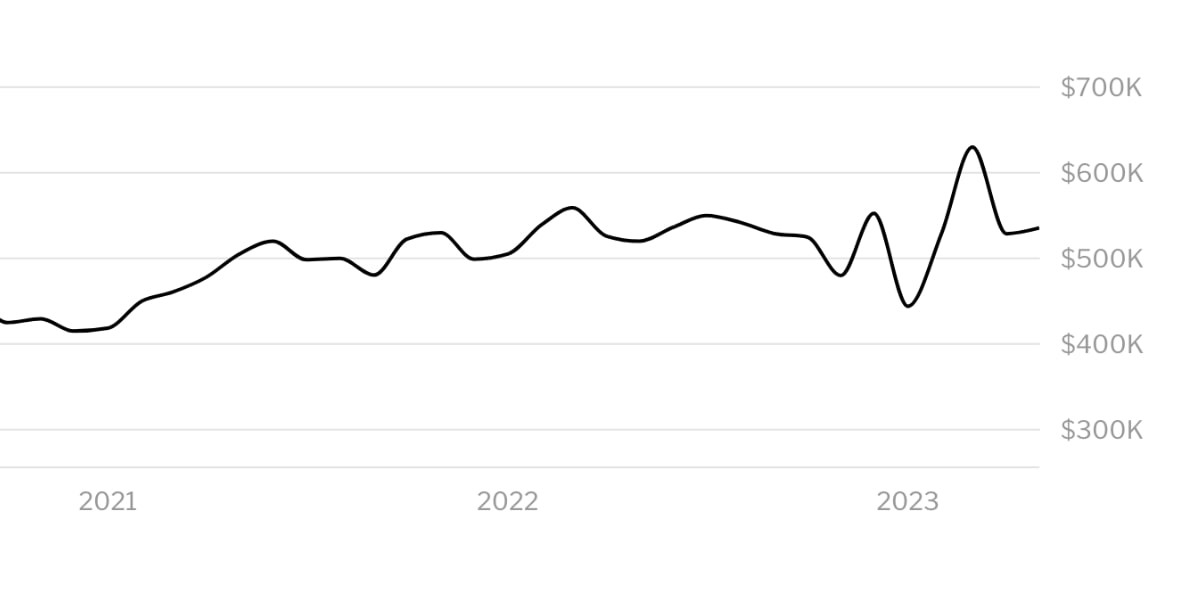
North Whidbey, anchored by Oak Harbor, is driven heavily by Naval Air Station Whidbey Island - military personnel and the steady housing and rental demand that comes with a stable base population create seller's-market conditions there, with North Whidbey's median active price up 11.5% year-over-year as of spring 2026. Central Whidbey, around Coupeville, has moved in the opposite direction, functioning more as a buyer's market with median prices down roughly 7% over the same period. South Whidbey - the Langley, Freeland, and Clinton area - sits closer to neutral, its character shaped by the Clinton ferry route that makes a commute to Seattle and the Eastside viable, drawing luxury buyers, vacation-home seekers, and remote workers with larger budgets than the island's other two regions typically see.
What's Driving Demand
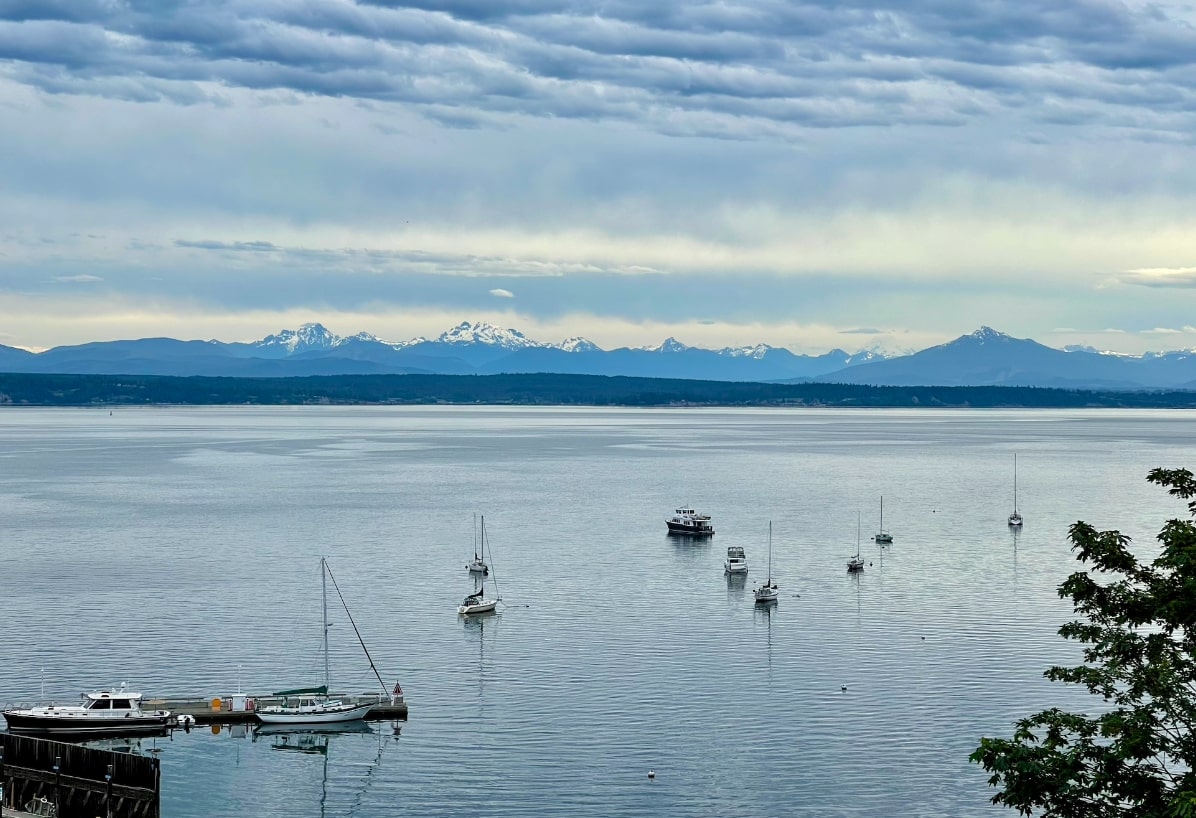
The reasons people move here differ sharply by region. In the north, it's largely employment-driven - a naval base doesn't disappear, and that gives Oak Harbor's housing demand an unusually stable floor compared to markets that rise and fall purely on speculation. In the south, it's closer to a lifestyle decision: buyers willing to accept a ferry commute in exchange for waterfront views, a slower pace, and an arts and community scene get more house and land for their money than they would in Seattle proper or on the Eastside.
The Numbers, Islandwide
The islandwide median closed price rose from $602,000 in July 2025 to $635,000 in July 2026 - real, if modest, appreciation. At the same time, active listings across the island grew roughly 13% year-over-year, which sounds like a construction boom but mostly reflects existing homes taking longer to sell rather than a wave of new inventory hitting the market. North End homes still move relatively fast, typically in 35 days or fewer; homes elsewhere on the island, by contrast, often sit for 60 to 90 days. That gap alone shows how much local knowledge matters here - an islandwide average obscures more than it reveals.

What Gets Built Here
The architecture across Whidbey reflects its geography as much as its market segmentation. Waterfront and view-lot homes, especially in South Whidbey and along Puget Sound-facing bluffs, lean toward large glazing and simple massing that gets out of the way of the view - a rational response to some of the best water views in the Pacific Northwest. Inland and forested lots, more common in Central Whidbey, tend toward the traditional Craftsman vocabulary common across the region: low-pitched roofs, deep eaves, natural wood and stone. Newer construction increasingly blends the two - simpler forms, larger windows, but still built from materials that look local rather than imported.
A Market Correcting Toward Normal, Not Booming or Crashing
The best word for Whidbey's 2026 housing market is "normalizing." The frenzied, over-asking bidding wars of the pandemic years have largely faded; year-over-year price growth now sits in the modest 3-to-5% range rather than the double-digit spikes of a few years back, and buyers are seeing negotiating room for the first time in half a decade, including seller concessions on closing costs and rate buydowns. That's good news for anyone planning a purchase or a build here - it means there's finally time to think, to compare lots and neighborhoods, and to plan a home that fits the property rather than rushing to beat out a dozen competing offers.
The Ferry Factor Buyers Often Underestimate
Anyone weighing a move to Whidbey Island needs to price in the ferry, not treat it as a minor inconvenience. The Clinton-Mukilteo crossing runs roughly every 30 minutes at peak times but can back up significantly during summer weekends and commute hours, meaning a "20-minute crossing" can turn into an hour-plus wait during the wrong window. This shapes property values directly: homes within easy reach of the terminal carry a premium over otherwise-comparable properties further up-island, and buyers commuting daily to Seattle or the Eastside should treat the ferry schedule as part of their due diligence.
Wherever you build on the island, the fundamentals - a fixed base of demand in the north, a lifestyle-driven market in the south, and land that's limited by water on every side - mean thoughtful house plans matter more here than in a market where you can simply build more inventory to meet demand. There's only so much island.


