
Direct answer: Washington State's housing market in 2026 is genuinely normalizing after years of pandemic-era frenzy - active inventory statewide grew roughly 28% year-over-year in early 2026, even as closed sales dipped slightly and median prices held relatively stable, giving buyers real breathing room for the first time in half a decade.
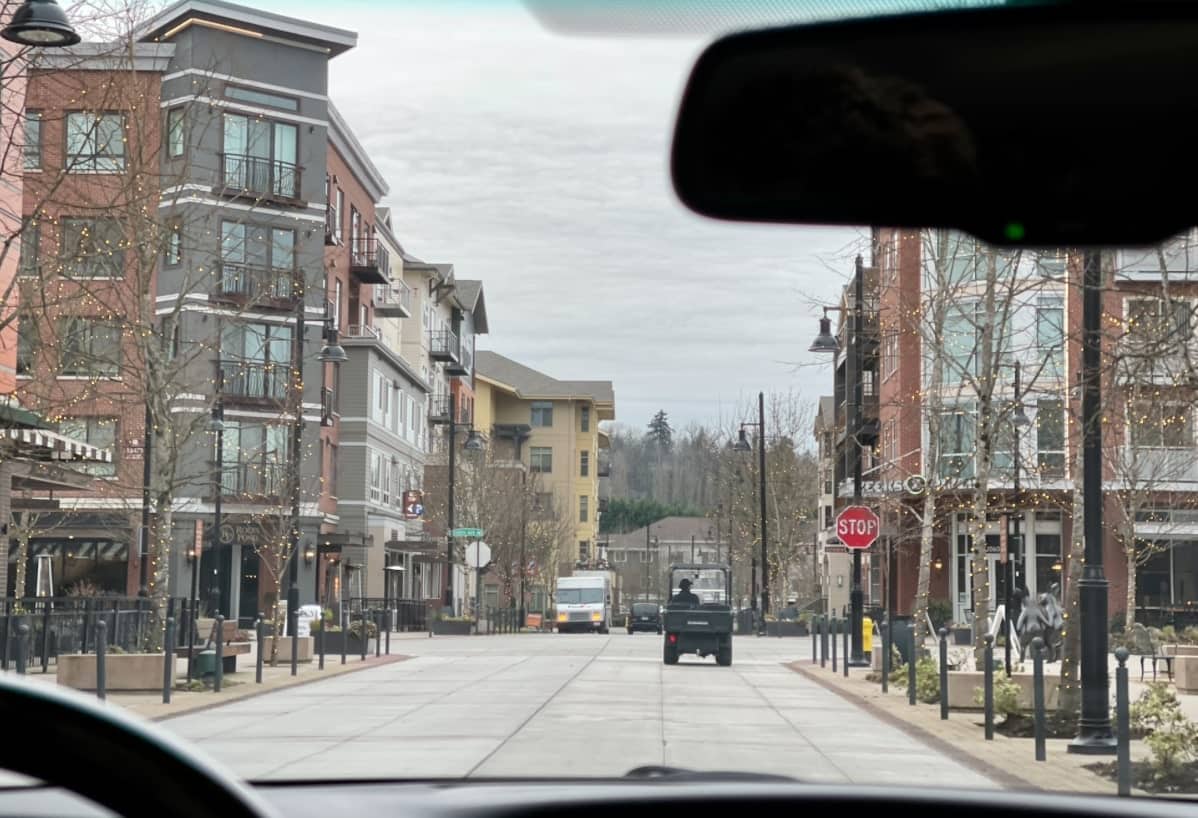
One State, Several Very Different Markets
The single biggest mistake in reading Washington's housing data is treating it as one market. Kirkland and Redmond, anchored by Microsoft's campus, have cooled from frenzied bidding wars into a genuinely balanced market - median days on market stretched from 6-13 days a couple of years ago to around 26 days now, with roughly four months of inventory on hand. Shoreline, just north of Seattle, tells a different story: prices there have actually declined 2 to 12% year-over-year even while inventory stays tight enough to keep it functioning as a seller's market, a shift driven largely by a new Link light rail extension reshaping which neighborhoods command a premium. Whidbey Island splits into three distinct submarkets of its own - North Whidbey stable on military employment, Central Whidbey favoring buyers, South Whidbey picking up real momentum on ferry-commute lifestyle appeal.
What's Actually Driving the Statewide Slowdown in Appreciation?
Direct answer: higher, though gradually stabilizing, mortgage rates combined with a genuine increase in available inventory have shifted negotiating leverage back toward buyers across most of the state, ending the multiple-offer, waived-contingency conditions that defined 2021 and 2022.
That doesn't mean prices are falling everywhere - most Eastside and Seattle-adjacent markets are still seeing modest year-over-year gains in the 1 to 5% range - but the pace has genuinely slowed, and sellers who price a home accurately are the ones seeing results, while overpriced listings now sit noticeably longer than they would have two or three years ago.
Where Construction Activity Is Actually Responding
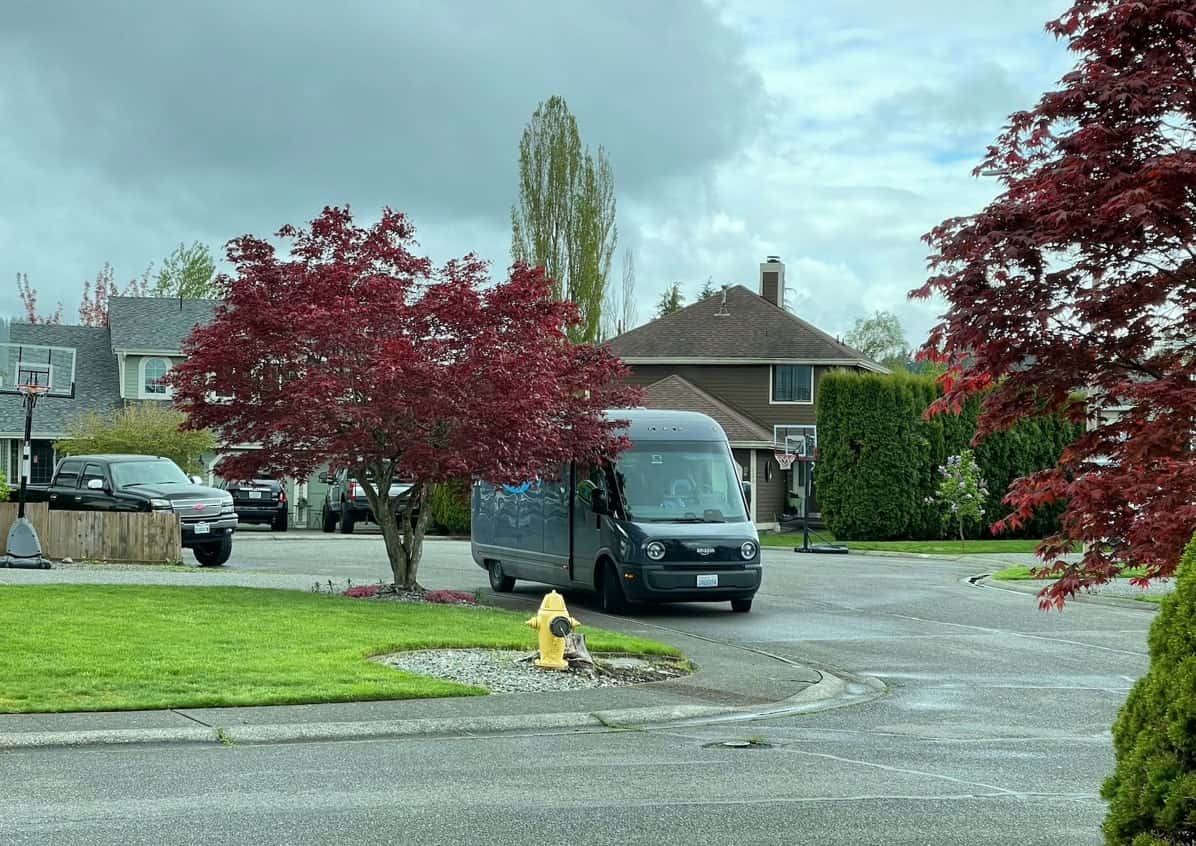
New construction remains concentrated where land and zoning allow it - Eastside suburbs with room to build, and infill projects near new transit infrastructure like Shoreline's Link stations. Tightly built-out markets like Whidbey Island or established Seattle neighborhoods see comparatively little new supply regardless of demand, since the constraint there is genuinely physical rather than regulatory. That distinction matters for anyone deciding whether to buy existing inventory or plan new construction - the calculus is completely different depending on which kind of market you're in.
Building New vs. Buying Existing, Depending on Where You Are
The right strategy genuinely differs by region. On open Eastside land where zoning allows it, building new lets you avoid the multiple-offer competition that still exists for the best existing listings, and gives you a home actually designed around how you live rather than a previous owner's choices. On a tightly built-out market like Whidbey Island or established Seattle neighborhoods, new construction opportunities are scarce enough that renovating an existing structure is usually the more realistic path - which is exactly why remodeling and addition work remains such a steady category of demand in the state's older, land-constrained markets, even as overall transaction volume shifts with the broader cycle.
Frequently Asked Questions
Is now a good time to buy in Washington State? For most of the state, yes, relative to the last several years - inventory is up, price growth has moderated, and buyers have genuine negotiating room they didn't have during the tightest pandemic-era stretch.
Are home prices dropping across Washington State? Not uniformly - some markets like Shoreline have seen real year-over-year declines, while most of the Eastside and Whidbey Island are still seeing modest gains; the state genuinely doesn't move as one market.
What's driving the difference between markets within the same region? Local employment anchors, transit access, and physical land constraints explain most of the variation - a market with a stable employer like Microsoft or a naval base behaves very differently than one driven purely by lifestyle appeal or new transit infrastructure.
Whether you're planning new construction on an open Eastside lot or working within the tight constraints of an island or transit-adjacent property, having house plans suited to the specific market you're building in matters more in a state this geographically and economically varied than almost anywhere else.


