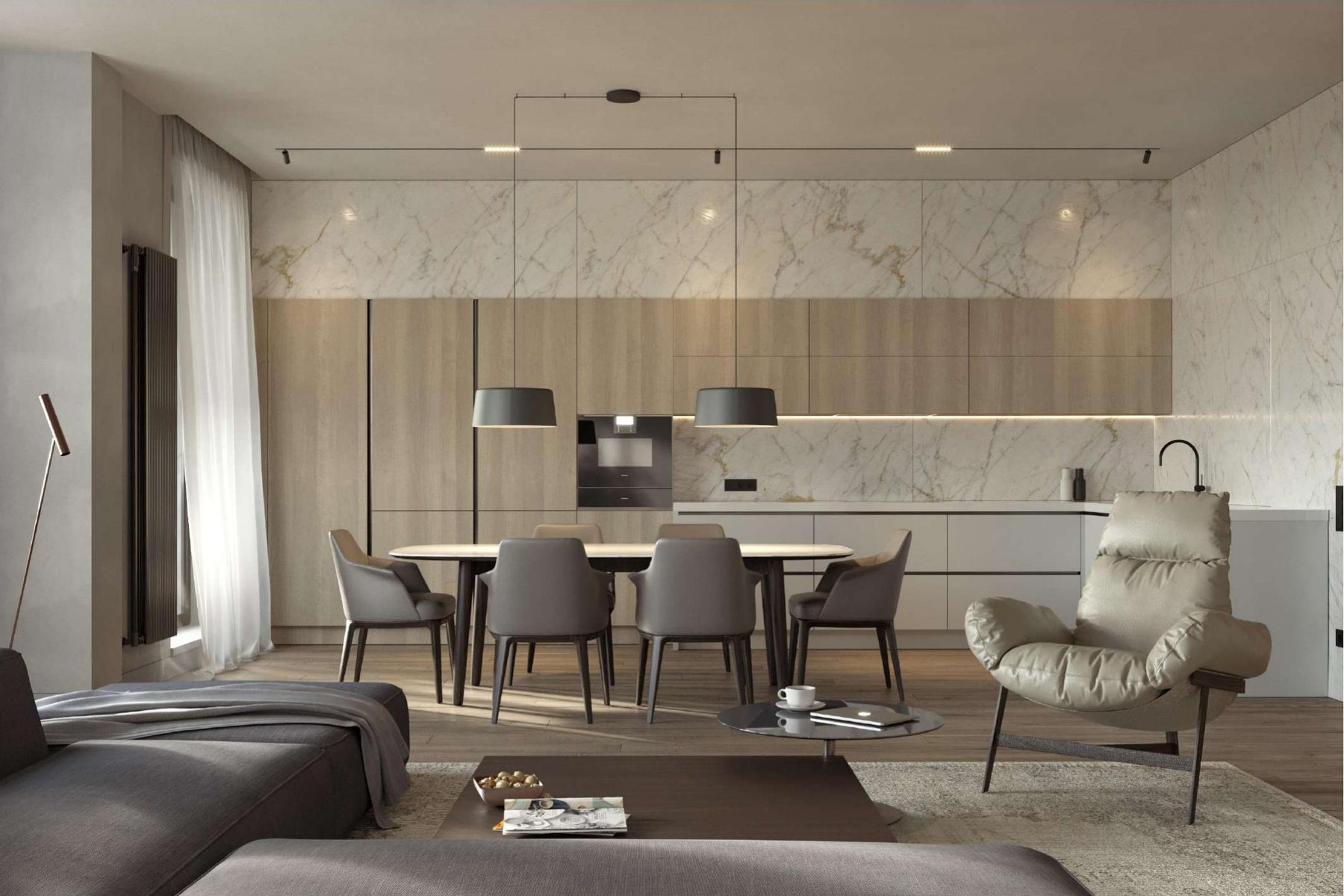
В интернете полно информации о дизайне интерьера, но понять, что именно нужно конкретному пространству, удается не всегда. Одни ошибки почти не влияют на результат, а другие выявляются только на этапе ремонта и полностью меняют замысел, причем обычно в худшую сторону. В deZZign мы видели это на собственном опыте, поэтому знаем, о чем говорим. Именно такие критические ошибки мы ловим заранее с помощью 3D-визуализации дизайн-проекта, еще до начала строительства. Иногда нам достаются проекты, брошенные предыдущими дизайнерами, и тогда приходится исправлять чертежи и объяснять строителям, что изменилось.
Ниже - 12 правил от известных дизайнеров из разных стран, которые помогут понять, чего НЕ стоит делать.
1. Ставить всю мебель вдоль стен

По словам Янг Ху (Young Huh Interior Design), расставлять всю мебель по периметру совсем не обязательно. Когда мебель "выходит" в пространство, комната становится живее и удобнее для общения: диван и кресла, повернутые друг к другу, создают зону разговора. Набросайте план на бумаге или планшете и сверяйтесь с ним при расстановке. Если идей нет совсем, начните с нескольких кресел посередине комнаты и двигайтесь от них.
2. Забывать об освещении
Свет - один из важнейших элементов интерьера: он меняет восприятие и атмосферу всего пространства. Как советует Альфредо Паредес (Alfredo Paredes Studio), иногда достаточно заменить несколько ламп и добавить пару удачных бра, чтобы изменить комнату даже без ремонта. Свет лучше доверить профессионалу, но если делаете сами, помните о трех уровнях: общий свет, рабочий (над столом, кухонной столешницей, для чтения) и акцентный, который подсвечивает картины, фактуры и архитектурные детали. Подробнее - в нашей статье об освещении интерьера.
3. Не делать замеров
В интерьере правило "на глаз" не работает. Никто не хочет доплачивать за замену мебели, которая не прошла в двери или перекрыла проход. Всегда измеряйте, желательно несколько раз, и учитывайте не только комнату, но и двери, лифт и лестницы, по которым мебель будут заносить.
4. Обращаться к дизайнеру слишком поздно
Очень часто заказчики приходят к дизайнеру, когда уже наняли подрядчика. Иногда строительные работы уже начались без четкого понимания, что и как делать, хотя квалифицированным строителям нужен проект. Это одна из самых больших проблем. По словам Мэнди Ченг (Mandy Cheng Design), дизайнер должен сначала познакомиться с пространством, затем обсудить идеи и возможности, и только после этого стоит искать подрядчиков.
5. Выбирать мебель слишком большую или маленькую для комнаты
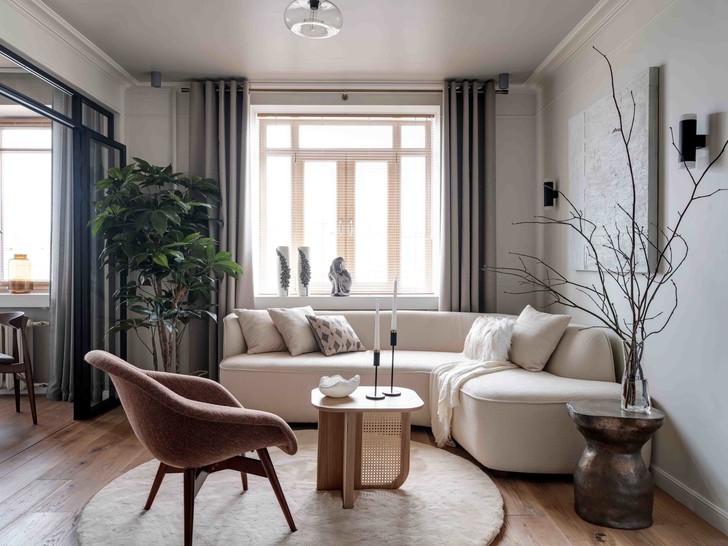
Гармония комнаты зависит от масштаба мебели. Подобрать его непросто даже опытным дизайнерам, но без этого мебель "выпадает" из пространства. Полезное правило с ковром: либо все ножки дивана и кресел стоят на ковре, либо хотя бы передние, чтобы ковер объединял зону, а не плавал посередине. Ковер, который заканчивается перед диваном, почти всегда выглядит слишком маленьким.
6. Ставить эстетику выше комфорта
Никогда не покупайте мебель, не оценив ее вживую: посидите или полежите на диване, потрогайте ткань, посмотрите на оттенок при дневном свете. Мебель должна быть прежде всего функциональной. Не выбирайте ее только по виду или цене, как это, к сожалению, случается очень часто, в том числе когда недобросовестные продавцы или дизайнеры убеждают доверчивых клиентов.
7. Неправильно вешать картины
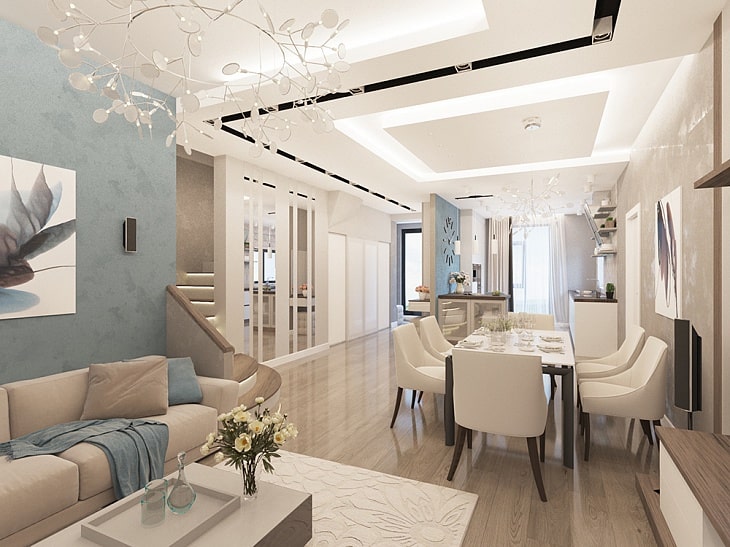
Картины вешают на уровне глаз: какой смысл в красивой работе, если ее не видно? Одна из самых частых ошибок - вешать картину слишком высоко, будто это придаст ей значимости. Ориентир, которым пользуются галереи: центр картины на высоте примерно 145-152 см от пола, а над диваном нижний край - на 20-25 см выше спинки. И не стоит вешать картины на каждую стену: это перегружает пространство.
8. Не доверять профессионалу
Не бойтесь нового: интерьер только выиграет, если прислушаться к на первый взгляд неожиданным предложениям дизайнера, конечно, без крайностей. Смелые решения делают пространство уникальным. Фрэнсис Меррилл (Reath Design) советует собрать вместе все, что вам нравится - вещи, цвета, образцы - и посмотреть на них при разном освещении, а еще лучше в разное время года. Так станет понятно, действительно ли это ваше и не надоест ли сочетание со временем.
9. Увлекаться максимализмом без системы
Не перегружайте комнату принтами и узорами. Держитесь нескольких основных цветов: чем меньше лишнего, тем свободнее ощущается пространство. Это правило касается не только цвета, но и мебели и декора.
10. Забывать о балансе
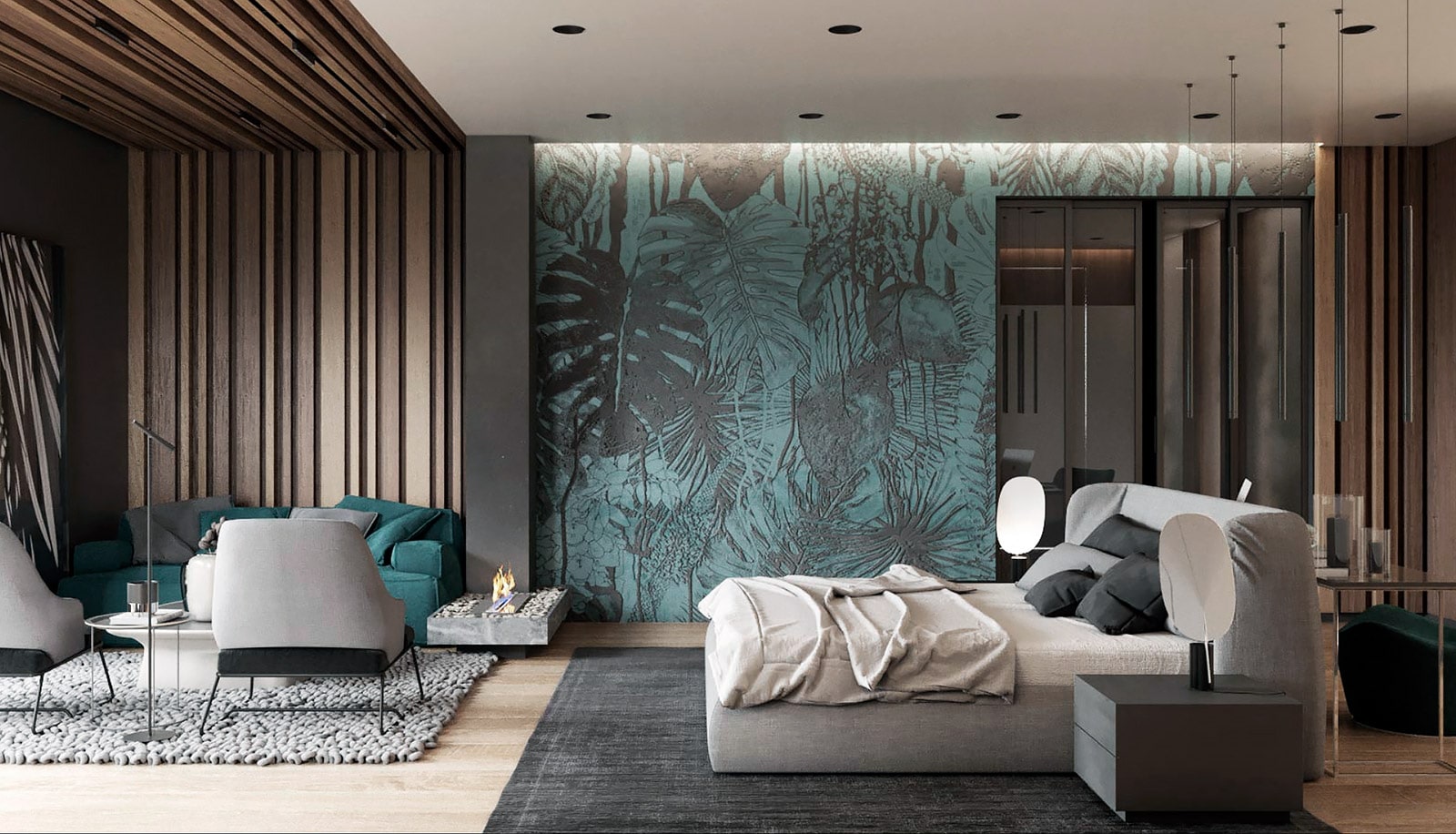
Комната без баланса выглядит незавершенной. Самый простой путь - симметрия: мысленно разделите пространство пополам и расставьте предметы так, чтобы обе половины "весили" одинаково. Но баланс не обязательно означает зеркальную симметрию: большой диван с одной стороны можно уравновесить двумя креслами и торшером с другой. Асимметричный баланс часто выглядит живее и современнее.
11. Увлекаться акцентными стенами
Акцентная стена может быть рискованной: на ее фоне остальные стены кажутся бледными, а комната - несбалансированной. Если акцент нужен, лучше, чтобы он был обоснован - стена за изголовьем кровати или за диваном, ниша, камин, - и чтобы его цвет или фактура повторялись где-то еще в комнате.
12. Экономить на подложке под ковер
Подложка под ковер - небольшие расходы, которые себя оправдывают. Она не дает ковру скользить и сбиваться, а это вопрос безопасности, защищает пол от царапин, гасит звук шагов и продлевает жизнь ковру. На теплом полу выбирайте тонкую подложку, совместимую с подогревом, а во влажных помещениях - такую, что пропускает воздух, чтобы под ковром не накапливалась влага.
Типичные ошибки в интерьерах вилл в ОАЭ и Катаре
К мировым правилам мы бы добавили несколько, которые часто видим в Заливе: огромные помещения, обставленные мебелью, рассчитанной на квартиру, из-за чего она теряется в объеме; холодный белый свет 6000 K во всем доме, который делает интерьер похожим на офис; темные ткани и ковры у больших окон, которые выгорают за один сезон; решетки кондиционеров, не согласованные с потолком и мебелью. Все это решается на этапе проекта, а не после заселения.
Часто задаваемые вопросы
Какая ошибка самая дорогая? Начать ремонт без проекта: переделка электрики, сантехники и перегородок после отделки стоит в разы дороже, чем чертежи.
На какой высоте вешать картины? Центр картины - примерно на 145-152 см от пола, над мебелью нижний край - на 20-25 см выше спинки дивана или комода.
Нужна ли акцентная стена? Не обязательно. Она уместна, когда подчеркивает важную зону, и лучше всего работает, если ее цвет или материал повторяется в декоре.
Как избежать большинства этих ошибок
Большинство из этих 12 ошибок предотвращаются одним и тем же способом - правильной последовательностью работы: точные чертежи дизайн-проекта на старте, продуманный подбор мебели и подбор материалов под конкретное пространство, и полноценное сопровождение проекта на этапе строительства - а не исправление того, что уже сделано неправильно. Если сомневаетесь, кто вам нужен на старте - архитектор или дизайнер интерьера - у нас есть отдельный разбор этой разницы. А весь процесс начинается с полноценного дизайн-проекта интерьера.
Большинство этих ошибок предотвращают рабочие чертежи, а не визуализации. Как выглядит полный альбом и сколько стоит, например, одна розетка не на своём месте, - в нашем разборе реального дизайн-проекта на 68 листов.