In 2020, it is already difficult to surprise a Ukrainian with our energy tariffs. In recent years, tariffs have increased significantly. According to very preliminary and rounded miscalculations, only the heating of your private house will cost you (provided that you have about 100 m2) 3500 - 6000 UAH / month. Based on the fact that throwing money into the furnace is not reasonable, you are sure to attend to the thoughtful warming of your home. Earlier, we at deZZign wrote a very short article about PassivHaus, in which you could find out that the Nordic countries have entire state programs for converting houses to energy-saving technologies. Read, do not regret it.
So, what’s interesting is that the main "spenders" of your heat are in decreasing order: the roof (from 25 - 50% of the heat - you must admit - "space"), window systems (from 10 to 40%, depending on what window systems, whether they are panoramic), walls (it is worth noting that thin-walled houses “lose” up to 40% of heat), and doors (5-15%).
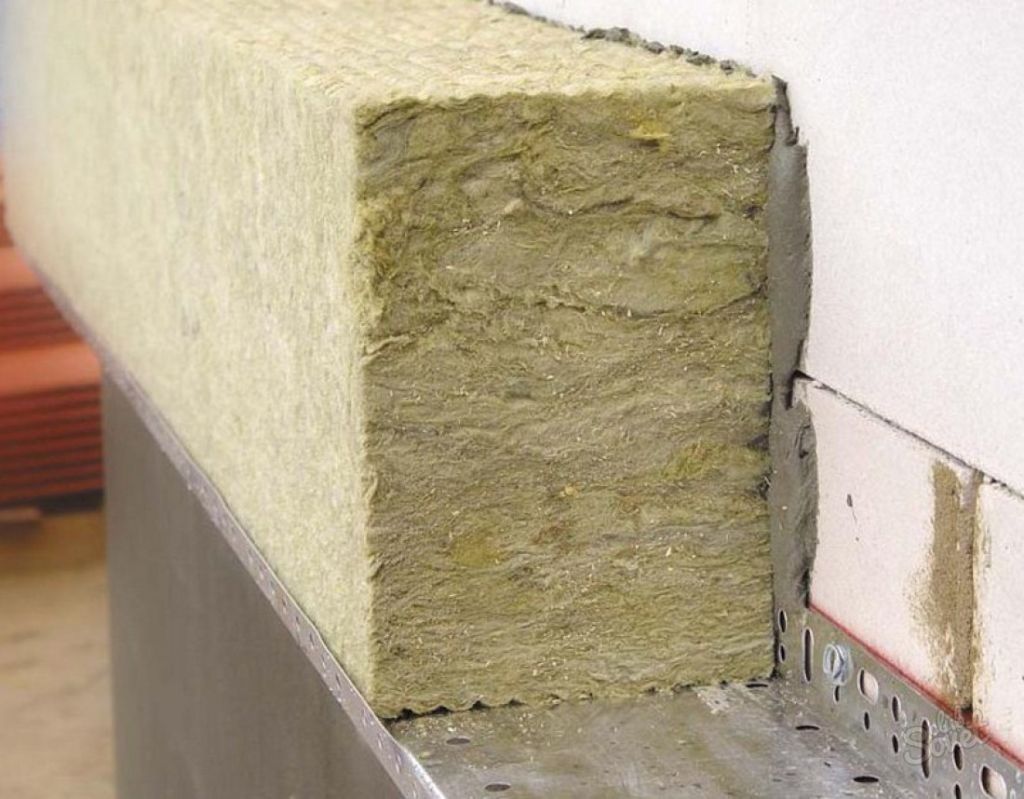
Therefore, when designing a private house for you, insulating the facade, deZZign specialists strive to “close” all these bottlenecks as much as possible and protect you from these problems for many years to come. Fortunately, a huge number of protective materials are presented on the market - from mineral wool to expanded clay, as well as specialists, technologies, for a fairly simple installation, regardless of what your house is built from.
Where to start when warming a house - with external or internal works?
So, answering this question, we want to note that it is necessary to insulate both inside and out. The first thing we will dwell on is INTERNAL WARMING OF THE HOUSE. The trump card of such insulation is any seasonality of such work. And here's the minus - we are stealing the area, which with such hard work was “knocked out” of architects and designers. Note that with a quality project - you will not encounter such problems. An important point will also be the selection of insulation materials and good ventilation at home.
As for EXTERNAL WARMING. Pros:
We keep the maximum internal area
If the interior is ready, then we do not violate it
Increases the life of the house
There is no mold and fungus.
Minus one - bulky structures, climbers, "violation" of the facade passport, sometimes a violation of the aesthetics of the house.
Insulation works are carried out in stages.
The first thing they usually start with is the base + foundation.
The basement is your bridge of cold from your lower point of the house to the upper, so this insulation will reduce the sharp transition from cold to warm. Here it is necessary to consider a specific case of external and internal warming - there are pluses and minuses. Materials for insulation of the foundation should be characterized by such parameters:
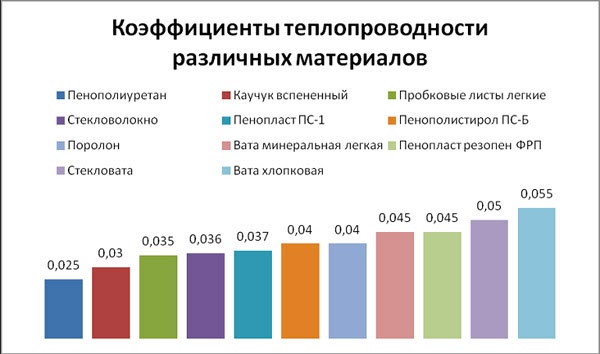
low thermal conductivity in order to maintain hard-to-get heat. The ideal indicator is 0.025–0.045 W / m º C;
low moisture absorption. Contact with the soil will fill your material with moisture, which will lead to freezing at low temperature and the destruction of the structure of the material;
high strength, the material must withstand the pressure of the soil.
It is also important to note that cold air comes from below, so the basement of your house should be well ventilated so that dampness and mold do not start.
We also want to note that the external insulation of the basement allows you to create a closed thermal insulation system.
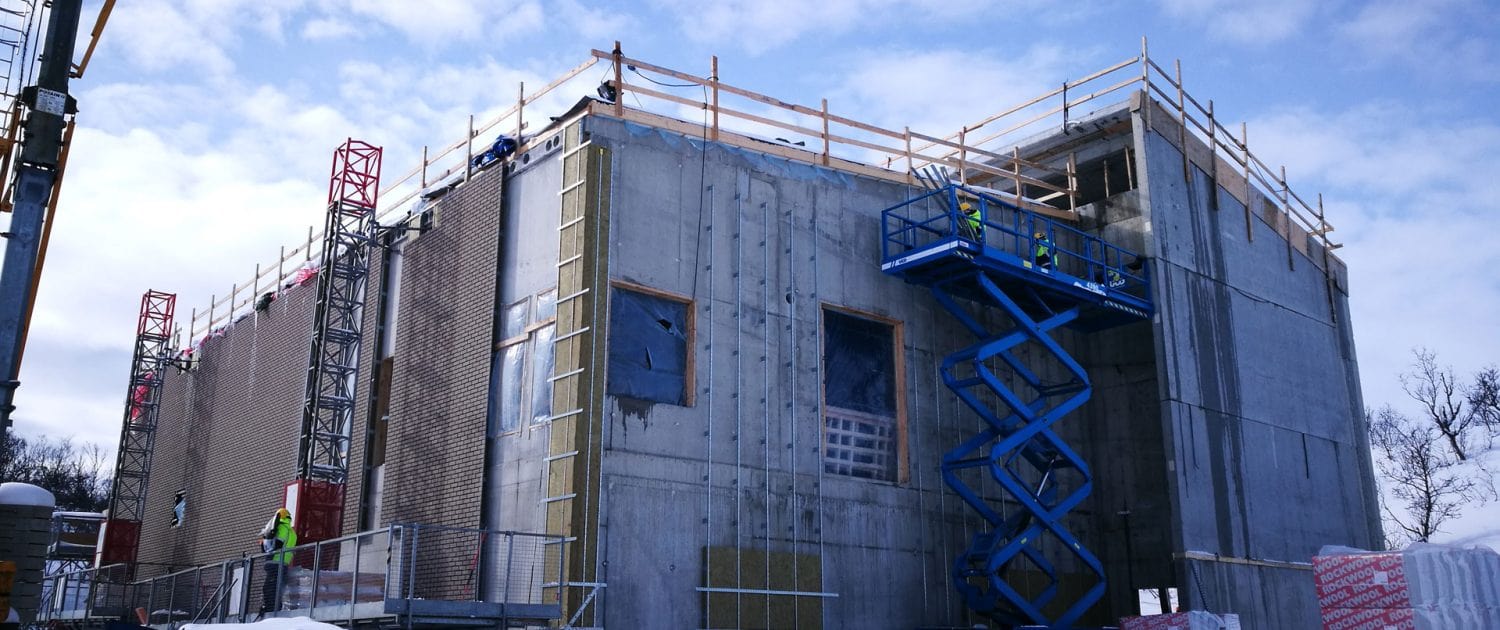
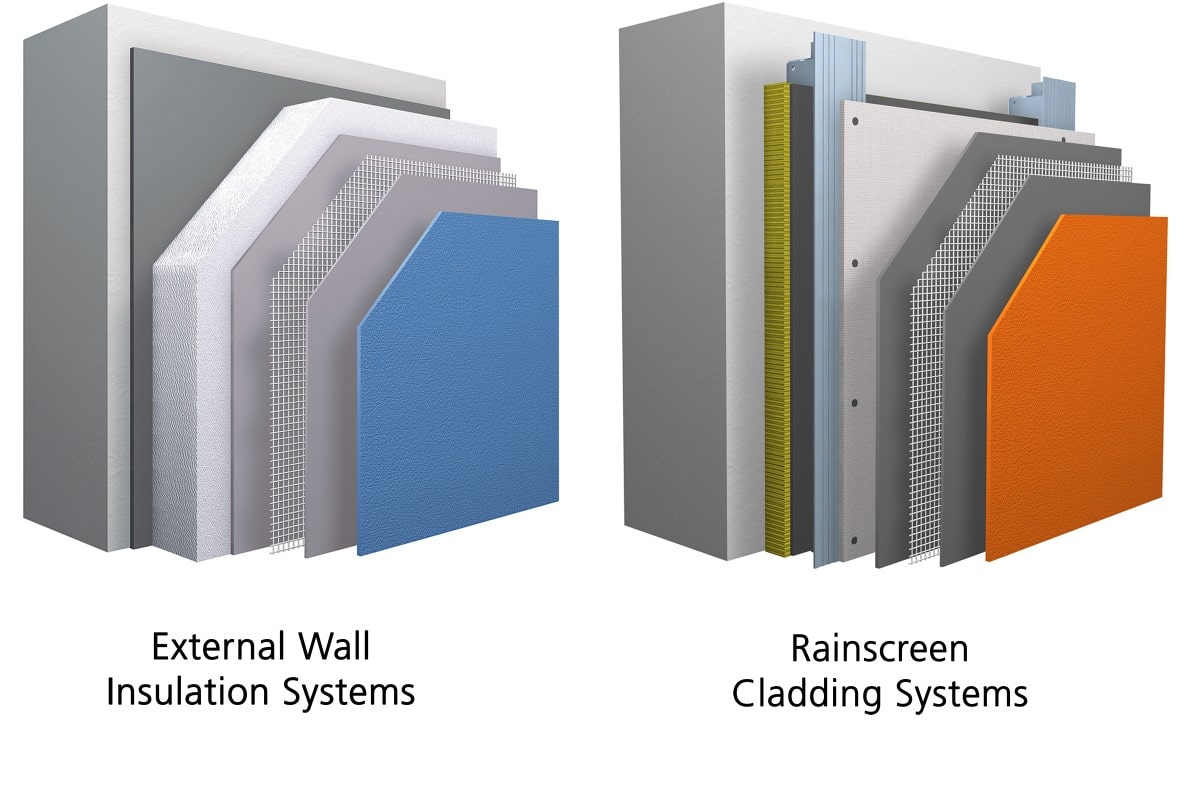
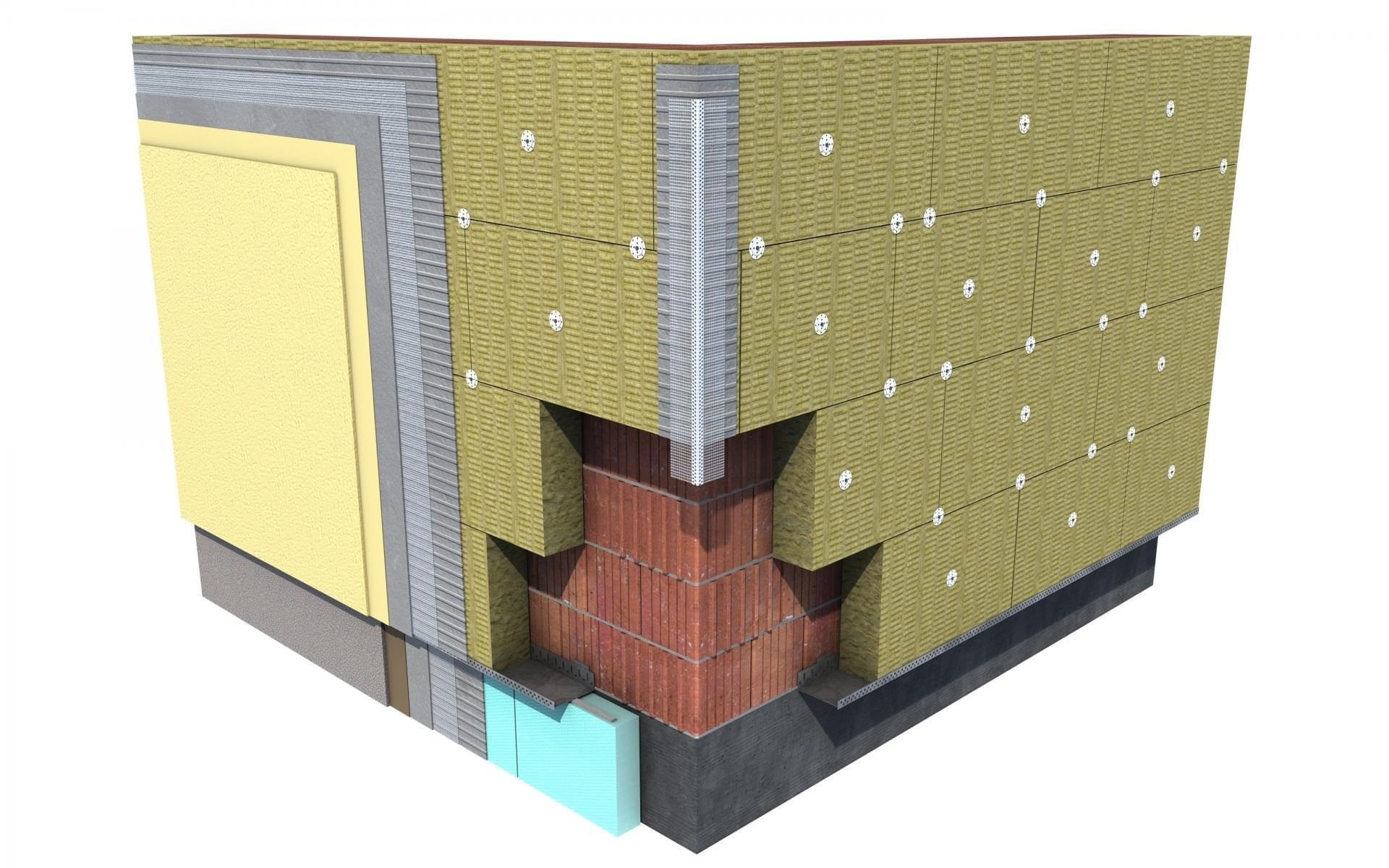
The facade of your building is insulated in a huge number of ways - this is a hinged facade (the cladding is fixed to the frame, and between them specialists lay a layer of insulation), “wet facade” (the only difference is in the way of fastening), “well masonry” (the material is laid first on the wall - insulation, and clinker brick is laid on top).
Insulation of the ceiling depends on the number of storeys of your house, the presence of insulation of the roof, the presence of an attic or attic, without which there is a sharp temperature difference "house-street".
Any cracks in the roof and attic must be repaired before warming.
When insulating the roof, it is necessary to take into account the geometry of the roof, the roof slope. The main heaters are usually mineral wool, polyurethane foam, foam concrete, foamed glass, ecowool, expanded clay. It is necessary to approach the choice of material carefully and choose it from the account of the Project and Structures. And of course, do not forget about the qualifications of the specialists who will warm you up, so that later there will be no surprises when the cold bridges are not protected and everything is done just to be done.