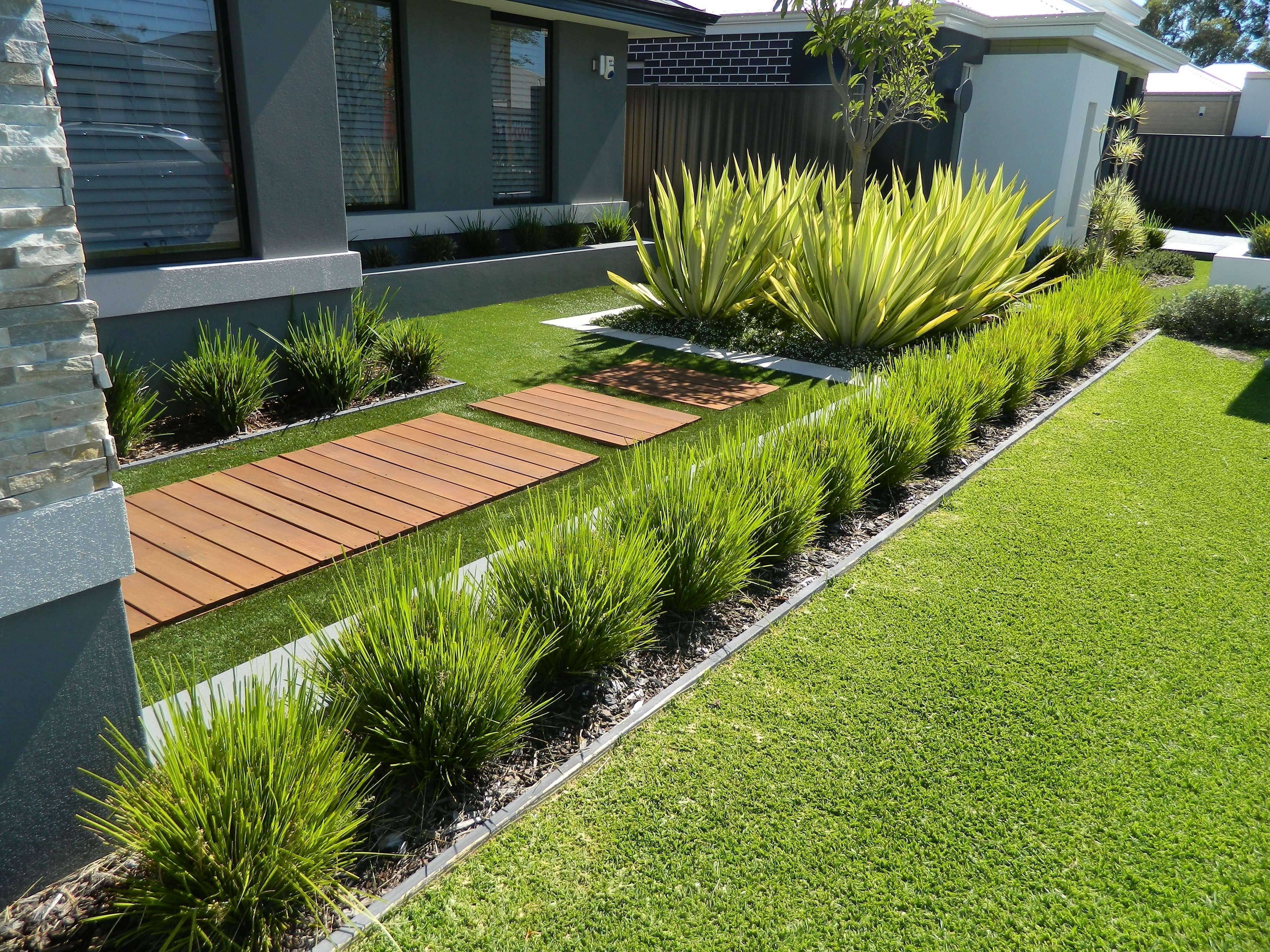
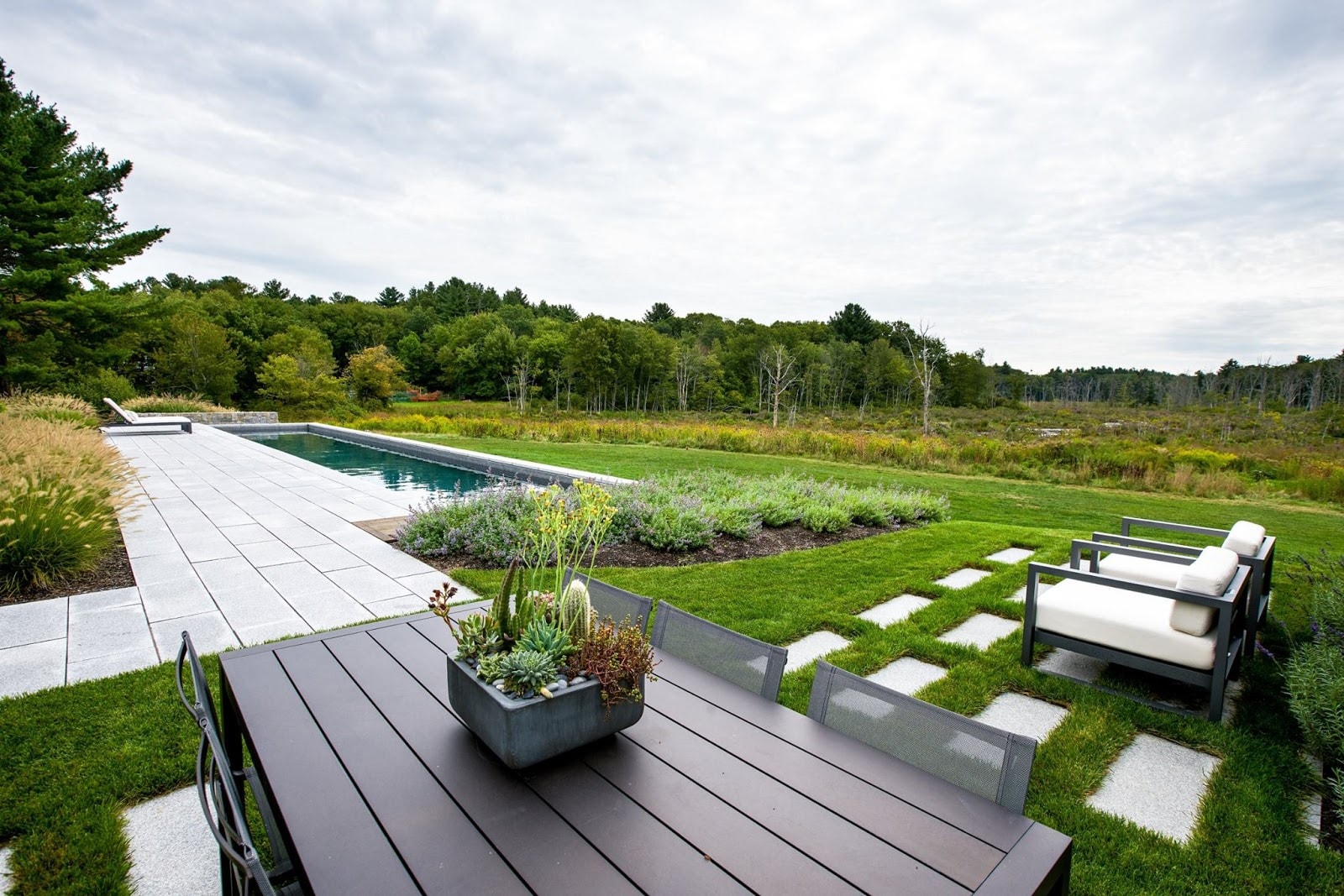
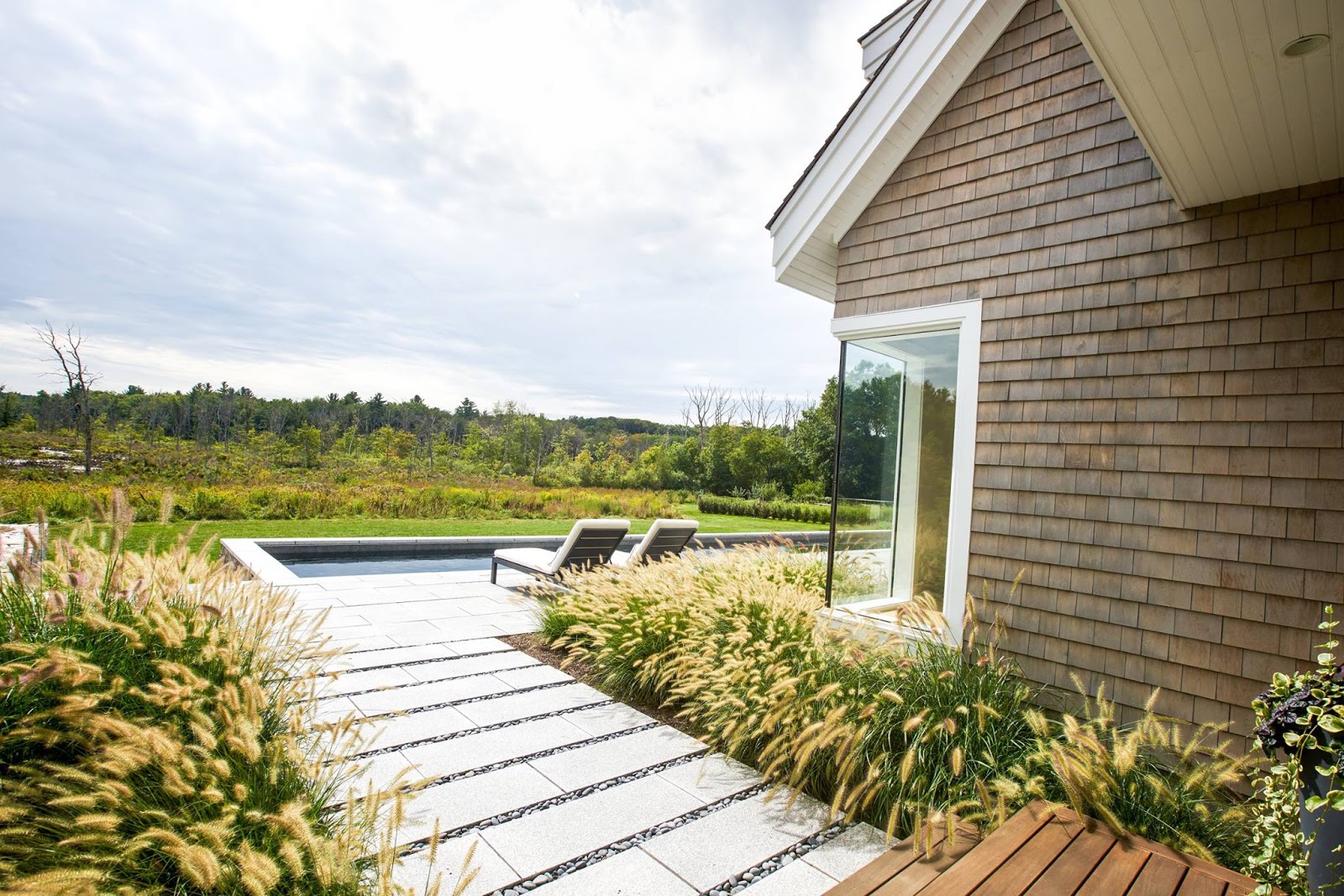
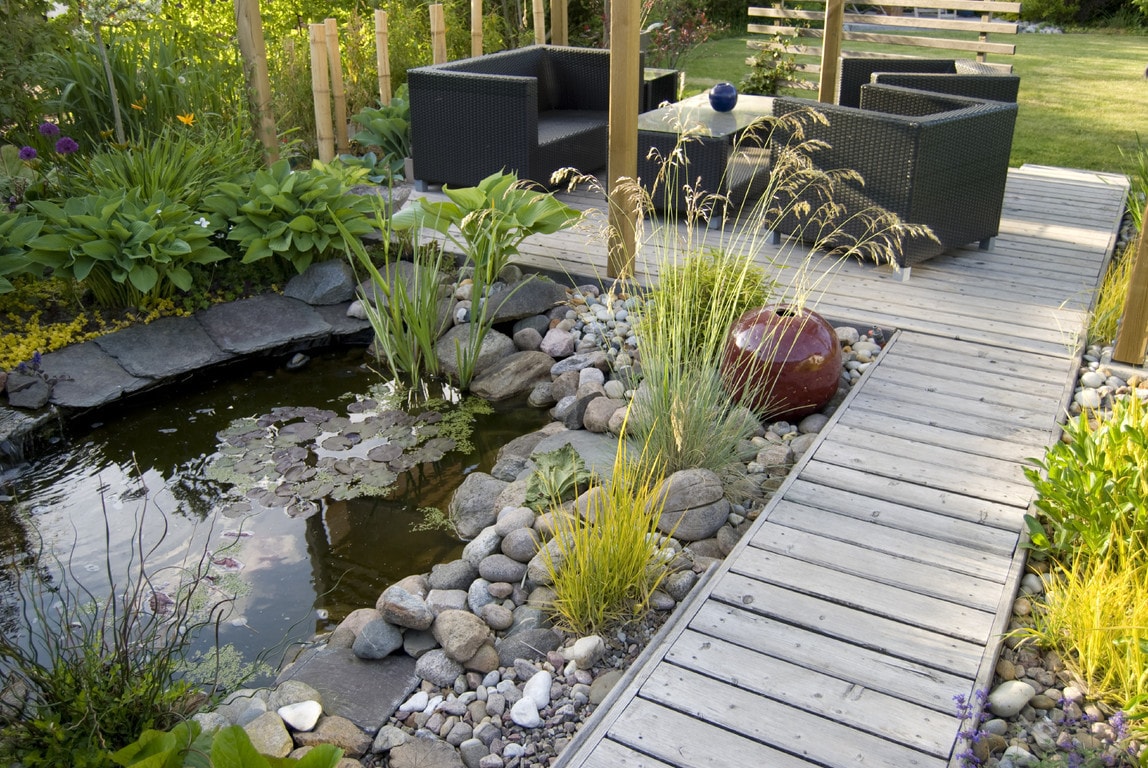
In landscape design there is an interesting aspect, landscape design (hereinafter referred to as LD) is at the intersection of three streams, such as architecture with the resulting engineering solutions, the culture of botany and, what is most unobvious at first glance, history. And, as it seems to us, what lies on the surface is less noticeable, but when you were prompted, images popped up in your head. The most interesting thing is that, most often, we perceive landscape design more as the practical actions of botanical landscapers who simply equip the halo of your habitat. We, as designers, set the main goal in landscape design to create a harmonious environment with a piece of nature that will emphasize architecture, while softly blending in to smooth out the conflict and differences in nature from the urban environment of human life and activity.
BACK
Let's talk about landscape design

And when did the discipline that we call LD appear? The culture of park art spread from the palaces of the rulers of the East to Europe, spreading to the most remote corners of Europe. A very long period of landscape design extended exclusively to gardening, but a little later they began to pay attention to plants with flowers. The very concept of landscape design was formed already in the 20th century, moreover, in industrially developed regions with a large number of inhabitants, where the urbanist reached a peak and a pleasant living environment for people was erased.
What elements or components are guided by architects and designers when creating landscape design? These are the objects themselves - the buildings around which the task is to “beat” their urban flaws and smooth out hard geometric chopped forms, these are lawn coverings, green spaces, lakes, ponds, fountains, stones and details, such as lighting, musical accompaniment.
The main tenets of landscape design are 3 pillars: Aesthetics, Practicality and Ease of form and care for it.
Thus, deZZign specialists want to emphasize that aesthetics is manifested not only in architecture, but also in the environment, which must be given special attention and correctly entered anthropogenic elements. We also want to emphasize that landscape design is also an art and a science, because it is necessary to clearly understand which components of the LD are interconnected and, depending on the specific region, do not require complex intricate care, but give you comfort and aesthetic satisfaction from that that you are there.
Architecture is very closely connected with landscape design and it is necessary to design closely the design of the "green zone" around.